Vegetable-Tanned vs. Chrome-Tanned: Which Is More Eco-Friendly?
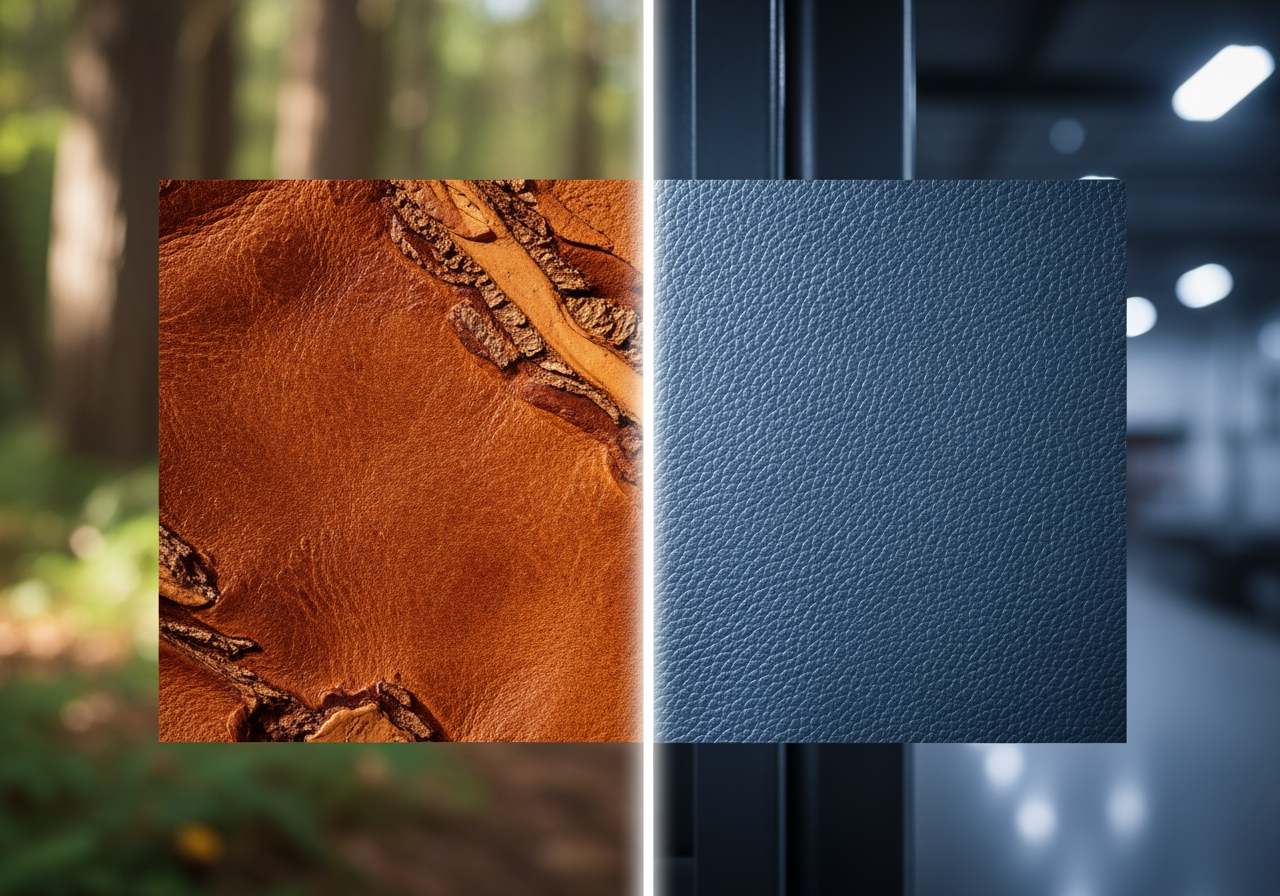
Walk into any leather goods store and you'll find products made using two fundamentally different tanning processes. One relies on natural materials and centuries-old techniques. The other prioritizes speed and cost efficiency through chemical processing. For environmentally conscious consumers, understanding vegetable-tanned vs chrome-tanned leather becomes essential when choosing wallets, belts, and accessories that align with sustainability values.
The tanning method determines far more than leather characteristics. It influences water consumption, chemical waste, worker safety, biodegradability, and long-term environmental impact. While chrome-tanned leather dominates the market due to production efficiency, vegetable-tanned alternatives offer compelling environmental advantages that deserve serious consideration.
Lost Dutchman Leather prioritizes vegetable-tanned materials in their product line, recognizing that sustainable leather goods begin with responsible tanning practices. This commitment reflects growing awareness that true quality encompasses both durability and environmental responsibility.
Understanding the Tanning Process
What Tanning Actually Does
Raw animal hides decompose rapidly without treatment. Tanning stabilizes the collagen protein structure within hides, transforming perishable organic material into durable leather capable of lasting decades. This preservation process creates a material resistant to bacterial growth, water damage, and deterioration.
Tannins - whether natural or synthetic - bond with collagen fibers to create crosslinks that strengthen the hide structure. These chemical bonds prevent the collagen from breaking down while giving leather its characteristic flexibility, strength, and water resistance. Different tannin sources create distinctly different leather properties.
The choice between vegetable-tanned vs chrome-tanned methods affects every aspect of the final product: color, texture, aging characteristics, environmental footprint, and even smell. Understanding these differences empowers consumers to make informed decisions aligned with their values.
Historical Context of Leather Tanning
Vegetable tanning dates back thousands of years. Ancient civilizations discovered that soaking hides in water containing tree bark, leaves, or roots preserved them effectively. This traditional method evolved gradually but remained fundamentally unchanged for millennia, relying on natural tannins extracted from plants.
Chrome tanning emerged during the late 1800s industrial revolution. Chemists discovered chromium sulfate could tan leather in hours rather than months, revolutionizing the industry. By the mid-20th century, chrome tanning dominated global leather production, accounting for roughly 80-90% of all tanned leather today.
This market dominance stems from economic factors rather than quality or sustainability advantages. Chrome tanning costs less, processes faster, and produces more uniform results - attributes that matter significantly in mass manufacturing environments. However, these benefits come with substantial environmental trade-offs.
Vegetable Tanning: The Traditional Method
How Vegetable Tanning Works
Vegetable tanning extracts natural tannins from organic sources - primarily tree bark from oak, chestnut, hemlock, or quebracho trees. These tannins contain polyphenolic compounds that bond with hide collagen through a gradual process taking weeks to months, depending on leather thickness and desired characteristics.
The process begins by soaking prepared hides in progressively stronger tannin solutions. Early baths use weak concentrations, allowing tannins to penetrate deeply before stronger solutions fix them in place. This gradual penetration creates leather tanned throughout its entire thickness rather than just surface treatment.
Time investment distinguishes vegetable tanning fundamentally. Where chrome tanning completes in 24-48 hours, vegetable tanning requires 30-60 days for quality results. This extended timeline increases costs but produces leather with unique aging properties and environmental advantages. The resulting leather typically exhibits tan to brown coloration naturally, though dyes can alter appearance.
Environmental Profile of Vegetable Tanning
The benefits of vegetable-tanned leather from an environmental perspective begin with biodegradable materials. Natural tannins derived from renewable plant sources break down completely in landfills or composting environments. This contrasts sharply with synthetic chemical tannins persisting in ecosystems indefinitely.
Water usage in vegetable tanning remains significant, but the wastewater contains primarily organic compounds rather than heavy metals or synthetic chemicals. With proper treatment, this wastewater can be processed safely with minimal environmental impact. Some modern tanneries recycle tannin-rich water multiple times, reducing overall consumption.
The carbon footprint depends heavily on tannin sourcing. Locally harvested tree bark minimizes transportation emissions. Sustainable forestry practices ensure renewable supply without deforestation. Some tanneries even use bark from timber operations that would otherwise be discarded, creating value from waste streams.
Characteristics of Vegetable-Tanned Leather
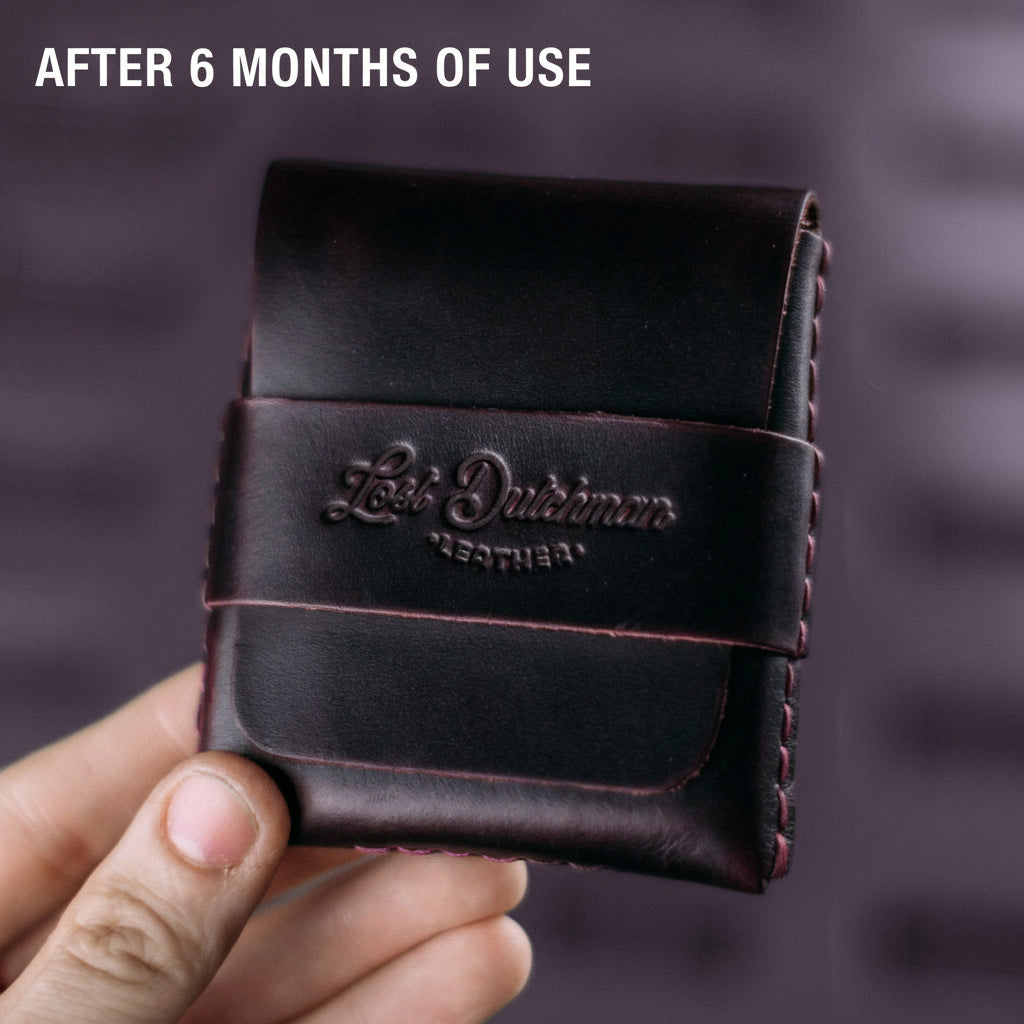
Vegetable-tanned leather develops rich patina over time - a darkening and character development prized by leather enthusiasts. This aging process occurs through oxidation and absorption of natural oils, creating unique coloration impossible to replicate artificially. Each product becomes visually distinctive through use.
The leather exhibits firmness and excellent edge stability, making it ideal for handcrafted wallets, belts, and structured goods requiring shape retention. This firmness gradually softens with use while maintaining structural integrity, creating products that mold to users while preserving functionality.
Vegetable-tanned leather carries a distinctive earthy, slightly sweet scent absent from chrome-tanned alternatives. This natural aroma fades gradually but remains detectable, particularly when leather is new. For many consumers, this characteristic scent reinforces the natural, traditional quality of the material.
Chrome Tanning: The Industrial Standard
How Chrome Tanning Works
Chrome tanning relies on chromium sulfate salts dissolved in acidic solutions. Hides rotate in these chemical baths for 24-48 hours, during which chromium molecules bond rapidly with collagen proteins. The speed and efficiency make this method economically attractive for mass production.
The process produces exceptionally uniform results across large batches - a significant advantage for manufacturers requiring consistency. Chrome-tanned leather accepts dyes readily, enabling virtually any color specification. This versatility supports fashion industry demands for diverse color palettes and seasonal trends.
Temperature stability distinguishes chrome-tanned leather functionally. It withstands heat better than vegetable-tanned alternatives and resists water more effectively initially. These characteristics make chrome tanning popular for certain applications like automotive upholstery or work boots requiring specific performance attributes.
Environmental Concerns with Chrome Tanning
The primary environmental issue involves chromium waste management. While tanning uses trivalent chromium (relatively stable), improper disposal or processing can convert it to hexavalent chromium - a known carcinogen and serious environmental pollutant. Contaminated wastewater requires careful treatment preventing ecosystem damage.
Many developing countries with significant leather industries lack adequate wastewater treatment infrastructure. Chromium-contaminated water discharged into rivers poisons aquatic ecosystems and contaminates drinking water sources. Communities near tanneries often face serious health risks from chromium exposure through water or soil.
End-of-life disposal creates additional concerns. Chrome-tanned leather doesn't biodegrade naturally due to synthetic chemical stabilization. Products discarded in landfills persist for decades while potentially leaching chromium compounds into surrounding soil and groundwater. This persistence contradicts circular economy principles.
Characteristics of Chrome-Tanned Leather
Chrome-tanned leather offers superior softness and flexibility compared to vegetable-tanned alternatives. This pliability suits applications requiring drape or stretch - characteristics desirable for certain garments, upholstery, or soft leather accessories. The material feels supple immediately without extended break-in periods.
Water resistance comes standard with chrome tanning, though this initially superior performance can mislead consumers. While chrome-tanned leather resists water absorption better initially, it doesn't develop protective patina over time like vegetable-tanned alternatives. Long-term performance differences favor traditional tanning methods.
Color versatility represents chrome tanning's most significant aesthetic advantage. The leather accepts virtually any dye, enabling fashion-forward colors impossible with vegetable-tanned materials. However, this color flexibility comes at environmental cost - many leather dyes introduce additional chemical concerns beyond tanning itself.
Direct Environmental Comparison
Water Usage and Pollution
Water consumption in both processes is substantial but the pollution profile differs dramatically. Vegetable tanning uses more total water due to extended processing times, but the wastewater contains biodegradable organic compounds treatable through conventional methods. Chrome tanning uses less water but creates wastewater requiring specialized treatment to remove toxic chromium compounds.
Proper wastewater treatment makes vegetable tanning environmentally viable. Modern facilities recirculate tannin solutions multiple times before disposal, reducing both water consumption and treatment burden. The organic waste products can be composted or used as agricultural amendments after treatment, creating closed-loop systems.
Chrome tanning facilities in developed countries typically implement adequate wastewater treatment, capturing chromium for recycling or safe disposal. However, global leather production concentrates in regions with less rigorous environmental enforcement. The environmental impact of chrome tanning in these areas proves far more severe than statistics from well-regulated facilities suggest.
Chemical Safety and Toxicity
Natural tannins derived from plants present minimal toxicity concerns for workers or ecosystems. While concentrated tannin solutions can cause skin irritation, they don't pose serious health risks with reasonable precautions. The materials handle safely throughout the supply chain from harvesting through final product disposal.
Chromium compounds require careful handling throughout the tanning process. Workers face exposure risks without proper protective equipment. Environmental contamination from spills or improper disposal creates persistent pollution problems. The potential conversion from trivalent to hexavalent chromium amplifies concerns, as the latter causes serious health effects including cancer.
Biodegradability fundamentally separates these methods environmentally. Vegetable-tanned leather decomposes naturally, returning nutrients to soil ecosystems. Chrome-tanned leather persists indefinitely in landfills while potentially leaching toxic compounds. This end-of-life consideration weighs heavily when evaluating true environmental impact.
Carbon Footprint Analysis
Energy requirements favor chrome tanning slightly during the actual tanning process due to shorter processing times. However, comprehensive analysis must consider raw material sourcing, transportation, waste treatment, and product longevity. When these factors are included, vegetable tanning often demonstrates lower lifetime carbon footprint.
Transportation impacts vary based on material sourcing. Vegetable tannins derived locally minimize emissions, while importing exotic tannin sources increases footprint substantially. Chromium salts typically require global transportation from mining and processing facilities to tanneries, adding considerable emissions.
Product longevity influences carbon footprint more than any single factor. Vegetable-tanned leather goods typically outlast chrome-tanned alternatives significantly, developing protective patina that extends functional life. This durability advantage means fewer replacement cycles, reducing the per-year environmental impact despite potentially higher initial processing emissions.
The True Cost: Beyond Environmental Impact
Durability and Longevity Differences
The benefits of vegetable-tanned leather extend to exceptional longevity. The natural tanning process creates leather that strengthens over time through use and proper care. The developing patina isn't merely aesthetic - it represents protective oxidation that increases water resistance and durability as products age.
Chrome-tanned leather delivers excellent initial performance but lacks the aging characteristics that enhance vegetable-tanned materials. The synthetic stabilization prevents natural strengthening processes. While quality chrome-tanned products certainly last years, they typically don't achieve the multi-decade lifespan common with vegetable-tanned alternatives.
Repairability favors vegetable-tanned construction significantly. The material accepts repairs more readily, with damaged sections easily replaced or refinished. Chrome-tanned leather's chemical stabilization makes certain repairs more difficult, potentially limiting restoration options. This difference affects total product lifespan and sustainability substantially.
Quality and Performance Trade-offs
Each tanning method suits specific applications best. Vegetable-tanned leather excels in structured goods requiring shape retention and edge definition - bifold wallets, belts, and bags benefit from its firmness and aging properties. The material performs exceptionally in products where patina development enhances appeal.
Chrome-tanned leather serves applications requiring immediate softness, stretch, or specific colors. Certain garments, upholstery, and work boots leverage chrome tanning's flexibility and water resistance effectively. The method isn't inherently inferior - it simply prioritizes different characteristics.
Consumer experience over decades favors vegetable-tanned materials for everyday carry items. The patina development, strengthening through use, and distinctive character create products that improve with age rather than merely aging. This performance profile aligns with sustainability values by encouraging long-term ownership.
Making Informed Leather Goods Choices
When Vegetable-Tanned Leather Makes Sense
Products intended for daily use over many years benefit most from vegetable tanning. Wallets, card holders, belts, and accessories carried regularly develop beautiful patina while lasting decades. The initial firmness breaks in gradually, creating products perfectly molded to individual users.
Lifestyle compatibility matters when considering vegetable-tanned options. These products require reasonable care - occasional conditioning, avoiding prolonged water exposure, and mindful storage. Consumers willing to provide basic maintenance receive products that reward care with enhanced beauty and extended lifespan.
Environmental commitment represents another key consideration. Consumers prioritizing sustainability and willing to pay premium prices for responsibly produced goods find vegetable-tanned products align perfectly with their values. The higher initial cost reflects time-intensive processing and environmental responsibility rather than mere markup.
Understanding Industry Certifications
The Leather Working Group provides the most rigorous environmental certification for leather production. Their audit protocol evaluates water and energy usage, waste management, chemical handling, and traceability. While both tanning methods can achieve certification, vegetable tanning demonstrates environmental advantages more easily.
Eco-labels require careful interpretation. Some certifications focus on specific aspects like chrome-free tanning without addressing other environmental concerns. Others certify sustainable forestry for tannin sources but ignore water usage. Understanding what specific certifications actually verify helps consumers make informed decisions.
Greenwashing presents significant challenges in leather goods markets. Brands may emphasize minor environmental efforts while ignoring major issues. Terms like "eco-leather" or "sustainable leather" lack standardized definitions, allowing misleading marketing. Consumers should research actual tanning methods and certifications rather than accepting vague environmental claims.
Supporting Sustainable Tanning Practices
American tanneries often maintain higher environmental standards than operations in developing countries. Domestic production faces stricter regulations regarding waste treatment, worker safety, and chemical handling. Supporting American-made leather goods typically ensures more responsible tanning practices regardless of method.
Brands transparently communicating their tanning methods and material sources deserve consumer support. Companies willing to discuss supply chains, tannery partners, and specific processes demonstrate confidence in their environmental practices. This transparency contrasts with brands offering only vague sustainability claims.
Questions worth asking before purchasing include: What tanning method was used? Where is the leather tanned? What environmental certifications does the tannery hold? Can the brand provide information about waste treatment and chemical management? Does the product include care instructions supporting long-term use? Brands with genuine environmental commitment answer these questions readily.
Conclusion
When comparing vegetable-tanned vs chrome-tanned methods, environmental evidence clearly favors traditional vegetable tanning. Natural biodegradable tannins, absence of toxic heavy metals, and superior product longevity create a compelling sustainability profile despite longer processing times and higher costs.
Chrome tanning dominates the market through economic efficiency rather than environmental merit. While properly managed chrome tanning operations minimize immediate pollution, the method's reliance on toxic chemicals, end-of-life persistence, and shorter product lifespan create substantial environmental drawbacks compared to traditional alternatives.
Consumer choices drive industry practices. Choosing products made with vegetable-tanned leather signals market demand for sustainable materials, encouraging more brands to prioritize environmental responsibility. The benefits of vegetable-tanned leather extend beyond personal product quality to supporting better tanning practices industry-wide.
Ready to choose leather goods reflecting your environmental values? Explore products crafted from vegetable-tanned leather and discover the difference sustainable materials make. Have questions about tanning methods, leather care, or finding the right products for your needs? Contact us - our team is happy to discuss how vegetable-tanned leather can serve you for decades to come.