Leather Through the Ages: A Brief History of Leathercraft Worldwide
Leather has always been more than a material. It’s a living record of human progress, a companion that’s journeyed beside us through every stage of civilization. Across continents and cultures, it’s been shaped by necessity, refined by craftsmanship, and revered as a symbol of endurance and skill.
At Lost Dutchman Leather, every wallet, belt, and accessory continues that story. But to understand why handcrafted leather still carries such power and presence, it helps to look back through the long history of leathercraft and the ways people have turned hides into heritage.
Origins of Leathercraft: The Earliest Innovations
Long before modern fabrics or synthetics existed, early humans faced a simple truth: survival depended on ingenuity. Animal hides, once a byproduct of the hunt, quickly revealed their potential. When dried, scraped, and shaped, they offered protection from the cold, rain, and rough terrain.
This was leather in its earliest form, crude yet essential. It shielded the body, covered shelters, and held water or food in primitive pouches. Over time, communities learned that certain techniques could extend a hide’s life. Smoke from fires preserved it. Oils and plant extracts softened it. These discoveries marked the first steps in the evolution of leathercraft.
Tanning, one of humanity’s oldest chemical processes, was born from experimentation. Historians believe the discovery may have been accidental, hides left in pools containing tree bark or natural tannins became unexpectedly supple and long-lasting. From that point on, leather was no longer a temporary solution. It became an enduring tool for daily life.
The Art of Early Civilizations
As societies formed, leather evolved into a cultural and economic cornerstone. Ancient civilizations refined both their function and beauty, turning raw hides into enduring works of utility and art.
Egypt: Elegance and Innovation
The Egyptians were among the first to perfect the craft. Using acacia bark and natural oils, they produced soft yet resilient leather for sandals, chariot coverings, shields, and even ornate funerary masks. Archaeological finds reveal intricate dyeing and embossing techniques, proving that the Egyptians didn’t just value leather for practicality; they saw it as a medium for beauty and prestige.
Royal artisans crafted decorative scroll cases and sheaths for ceremonial knives, often tinted in vivid ochres or deep browns. Every piece served as both functional gear and a statement of status.
Greece and Rome: Mastery and Discipline
In Greece and Rome, leather became indispensable in both daily life and warfare. Roman soldiers marched for miles in sturdy sandals known as caligae, their feet protected by layers of tanned hide. Officers and centurions often wore leather cuirasses reinforced with metal, combining flexibility with strength.
The variety of ancient Roman leather goods was remarkable: belts, shields, scrolls, horse tack, and satchels were all part of the empire’s daily rhythm. Leather straps bound books, secured armor, and wrapped tool handles. Roman scribes even documented trade and philosophy on parchment, a form of treated hide.
Beyond function, Romans admired craftsmanship. Skilled tanners in provincial workshops produced dyed leather in rich reds and browns, often scented with oils from olive or laurel. To own well-crafted leather in Rome wasn’t merely practical; it was a mark of sophistication.
A Cultural Constant
Across continents, from Mesopotamia to Mesoamerica, similar traditions emerged. Each culture discovered its own way to preserve and shape hides, adapting tanning methods to local flora. While techniques varied, the respect for leather remained universal: durable, adaptable, and symbolic of endurance.
The Middle Ages: Trade, Guilds, and Mastery
By the Middle Ages, leathercraft had transformed into a defined profession. The rise of trade guilds formalized its processes, protecting the integrity of the craft and ensuring that only trained artisans could produce quality goods.
Guilds like the tanners, curriers, and cordwainers (shoemakers) oversaw everything from hide preparation to final sale. Apprentices spent years learning the craft, mastering tasks like dehairing, tanning, oiling, and stitching. These groups were not only professional organizations but cultural cornerstones, setting standards that still echo in modern craftsmanship.
Everyday Life and Expression
Leather was omnipresent, from the bindings of illuminated manuscripts to the saddles of knights and the armor of guardsmen. Monasteries prized leather for its durability in preserving religious texts. Book covers were often embossed with intricate designs, a fusion of art and devotion.
Wealthier families commissioned embossed belts and finely tooled pouches, while traveling merchants relied on rugged leather satchels to withstand the road. Every piece, whether humble or ornate, reflected the maker’s skill and the owner’s status.
The guild era cemented a belief that continues today: quality leatherwork is a reflection of character. The better the craftsmanship, the longer the story lasts.
The Renaissance: Leather as Luxury and Art
The Renaissance ushered in an age of creativity and refinement. As trade expanded and wealth grew, artisans were encouraged to blend function with beauty. Leather became more than utilitarian; it was luxurious, expressive, and deeply personal.
Fine gloves, richly decorated saddles, and embossed book covers became symbols of social standing. Wealthy patrons commissioned items from the best workshops in Florence, Venice, and Madrid. Leather walls adorned royal chambers, and furniture makers integrated leather into chairs and writing desks, elevating it to interior art.
Exotic hides, such as Moroccan leather (maroquin), entered Europe via trade routes, prized for their suppleness and vibrant dyes. These new materials captivated artisans, expanding the range of textures and finishes available.
The Renaissance didn’t just change what leather could be; it changed how people saw it. No longer a byproduct of necessity, leather became a statement of taste, status, and artistry.
The Industrial Revolution: Innovation and Compromise
The 18th and 19th centuries transformed every industry, and leathercraft was no exception. With the arrival of mechanized tanning and sewing, production increased dramatically. Steam-powered mills and chemical tanning agents sped up processes that once took months.
For the first time, leather goods could be produced on a mass scale, and the material reached ordinary households like never before. Shoes, belts, and bags became accessible commodities rather than exclusive luxuries.
But progress had its costs. Mechanization often meant reduced quality, as shortcuts replaced tradition. Chrome tanning, for instance, allowed faster results but sacrificed the rich feel and natural durability of vegetable-tanned leather.
Still, amidst the industrial noise, traditional artisans refused to let centuries of skill fade. Small workshops remained devoted to hand-stitching, natural tanning, and the careful burnishing that defined true craftsmanship. Their perseverance kept the heart of leathercraft alive through an age of change.
The Twentieth Century: Modernism Meets Tradition
As design evolved, leather adapted. The early 1900s saw the use of leather expand into automobiles, aviation, and sports equipment. Its strength, flexibility, and tactile quality made it indispensable.
World wars further emphasized leather’s practicality; boots, belts, holsters, and flight jackets became symbols of endurance. Afterwards, the mid-century modern movement rediscovered leather’s elegance, introducing it into architecture and furniture once again.
From Eames chairs to bomber jackets, leather became synonymous with both function and aesthetic balance, rugged yet refined. Each era reinterpreted it, but the soul of the material remained constant: reliable, personal, and enduring.
Leather Today: The Revival of Craftsmanship
In an age dominated by mass production, a quiet counter-movement has taken root, one that values quality over quantity, patience over speed. This resurgence in handcrafted leather goods signals a collective yearning for authenticity.
People want pieces that tell a story. They want to know who made them, how they were made, and why they’ll last. That’s where craftsmanship thrives, in the space between skill and soul.
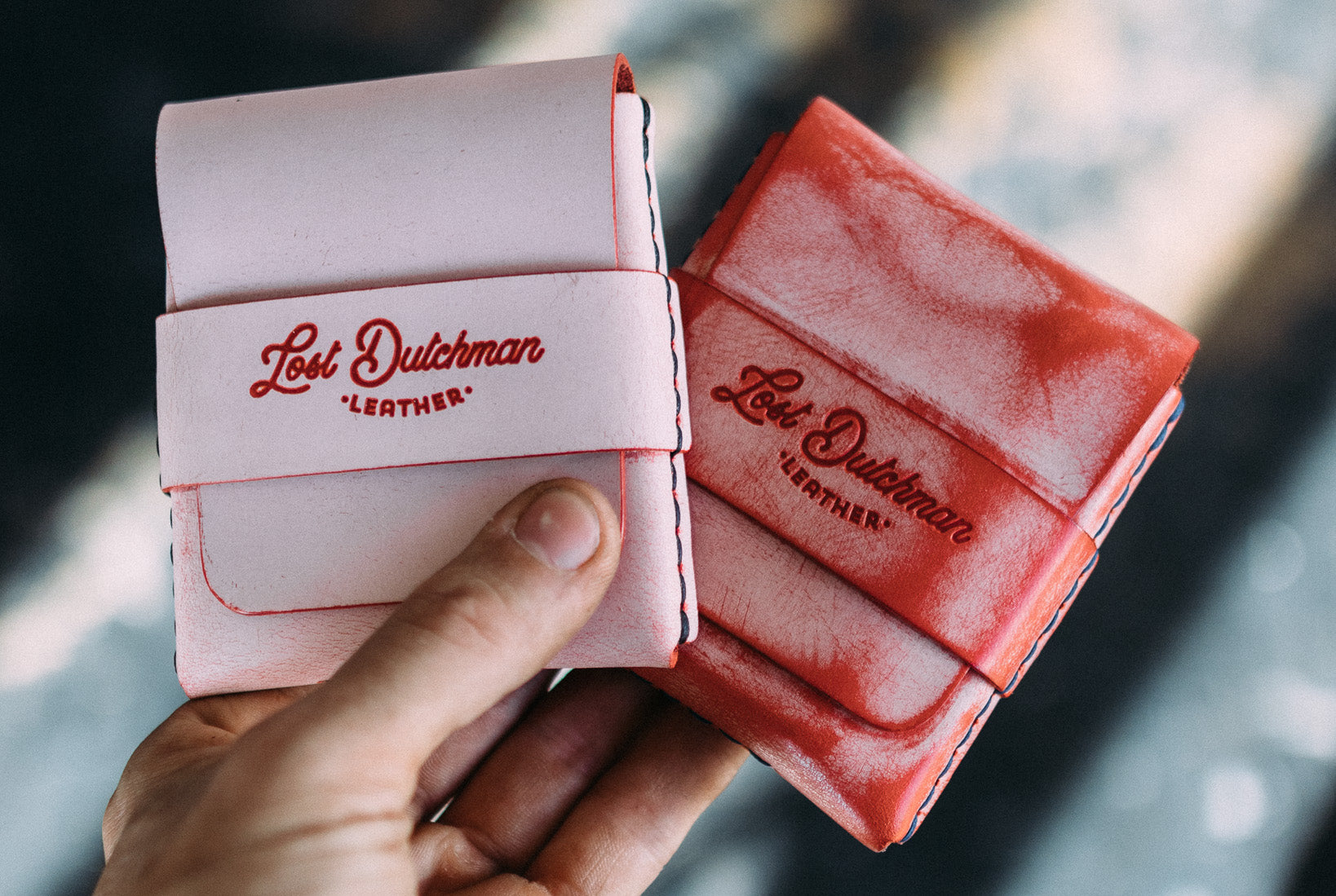
At Lost Dutchman Leather, this philosophy defines everything. Each wallet or belt begins as a piece of full-grain leather, the highest quality part of the hide. It’s cut, burnished, and hand-finished with time-honored techniques that trace their lineage back through centuries of artisans.
Every detail has purpose. The Franklin Wallet, for instance, is crafted from a single piece of leather without stitching, an innovation rooted in simplicity and endurance. Each cut and fold reflects an understanding of leather’s natural strength, not a reliance on glue or machine seams.
A belt, when crafted from full-grain hide, ages beautifully, the surface gradually softens, the tone deepens, and the finish takes on a unique character. That change isn’t wear; it’s transformation. It’s the story of use, care, and time.
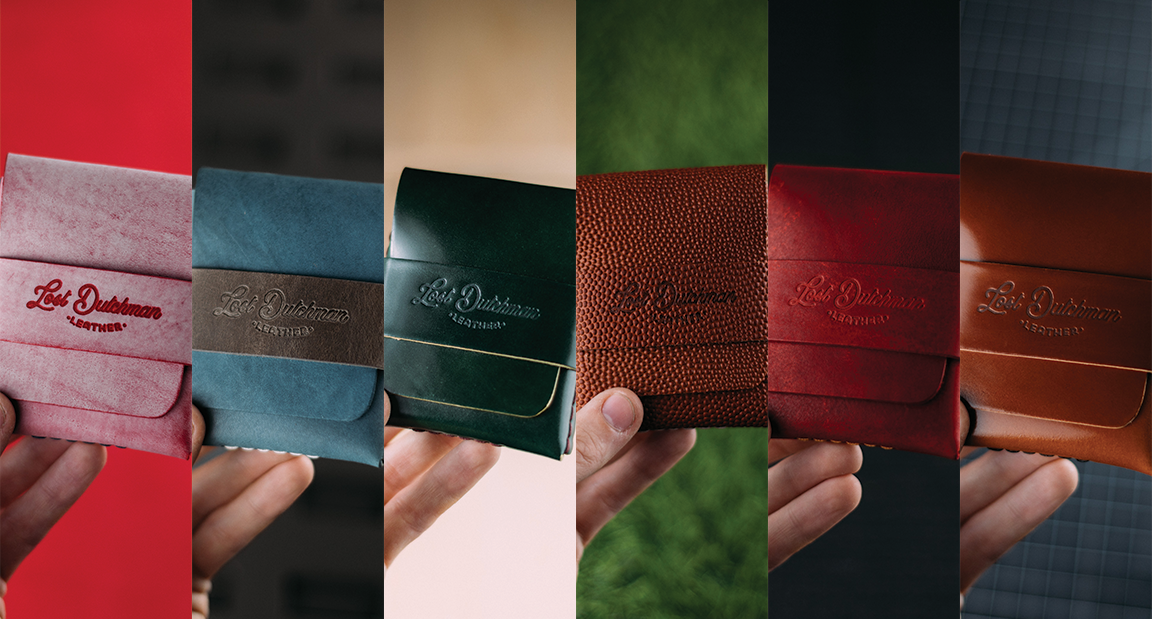
If minimalism appeals to you, explore our collection of wallets, from bifolds to sleek card holders, each designed to celebrate simplicity without compromise.
The Modern Patina: A Personal History
A well-used wallet or belt tells its own tale. The gradual darkening, the small scratches, and the softened edges together form what artisans call a patina.
Think of it like denim: the way a favorite pair of jeans breaks in, molding to the body and revealing the habits of its wearer. Leather does the same. Over the years, it has become more personal, more beautiful. A true reflection of the individual who carries it.
That connection between person and product is what defines the modern leather revival, a return to meaning in a world of disposability.
Craftsmanship as Legacy
Throughout history, leather has never lost its relevance. Its form and function have evolved, but its essence has remained the same: durability, adaptability, and artistry.
From the armor of Roman soldiers to the hands of modern artisans, leather represents continuity, a living material shaped by human touch and patience.
The history of leathercraft isn’t just a record of tools or trade; it’s a reflection of values. Patience, skill, and pride in doing something well. Each generation has added its own chapter, and brands like Lost Dutchman Leather carry that heritage forward, preserving tradition while refining it for the next century.
Experience the Craft
Quality isn’t an accident. It’s the result of intention, of choosing materials, methods, and mindsets that stand apart from the disposable.
If you’re drawn to the heritage of true craftsmanship, explore our collection of wallets, belts, and accessories designed to endure and evolve. Every piece embodies the timeless principles of leathercraft, strength, simplicity, and authenticity.
And if you have questions or need guidance in selecting a piece that fits your lifestyle, don’t hesitate to contact us. The story of leather is a story we’re always proud to share.
Final Thoughts
Leather has walked beside humanity since the beginning. It’s weathered the rise and fall of empires, adapted to changing eras, and held its ground as one of the most reliable materials on earth.
From ancient Roman leather goods to modern full-grain wallets, the journey of leathercraft spans both time and culture, proof that some traditions never fade.
The appeal of leather lies in its honesty: it doesn’t hide wear or disguise age. It grows with you, becoming a tangible memory of the life it accompanies. That’s why, even in a digital age, handcrafted leather endures. It’s not just a material, it’s a measure of time well spent.