Old-School Tanning: Traditional Techniques We Still Love Today
Traditional leather tanning isn’t just a process; it’s a living craft. It’s the slow, deliberate transformation of raw hides into something enduring and beautiful. These traditional leather tanning techniques, such as vegetable tanning and brain tanning, rely on natural ingredients, patience, and a respect for heritage that modern industry rarely matches.
Think of it like slow fermentation. You could rush bread with instant yeast, but you’d lose the depth and aroma of a long, natural rise. Traditional tanning is similar; it takes time, but the reward is character and longevity that no shortcut can replicate.
In a world where fast fashion dominates and synthetic materials flood the market, traditional tanning stands as a quiet act of rebellion, a return to patience, intention, and respect for materials that last. Leather tanned the old way isn’t just something you use; it’s something you grow attached to.
-
Traditional tanning uses natural, time-tested methods to create lasting leather.
-
The process favors quality over speed, ensuring every piece tells its own story.
Vegetable Tanning: A Time-Honored Method
Among the oldest traditional leather tanning techniques, vegetable tanning stands apart as a symbol of patience and skill. It draws on natural tannins found in bark, leaves, and roots to create strong, supple leather. Though the process can take several weeks or months, the result is worth every day, a hide that grows richer in tone and texture with use.
The History of Vegetable Tanning
The history of vegetable tanning reaches back thousands of years, when early artisans discovered how the tannins in oak and chestnut bark could preserve hides naturally. Ancient civilizations, from the Egyptians to the Romans, used similar techniques to craft durable leather for armor, harnesses, and everyday goods. Over centuries, tanners refined the process into an art, each region developing its own subtle variations, often guarded as family secrets.
Long before industrial chemistry arrived, vegetable tanning represented not only skill but also sustainability. It used local resources, required no synthetic additives, and produced leather that could last for decades. That same philosophy guides Lost Dutchman Leather today, where timeless craftsmanship remains at the core of everything produced.
How Vegetable Tanning Works
The hides are soaked in vats containing increasing concentrations of tannin. This gradual process allows the tannins to penetrate evenly, binding with collagen fibers in the skin. The transformation is almost alchemical, raw hide becomes durable, aromatic leather with its own rich, earthy tone.
It’s like brewing a strong cup of tea: the longer it steeps, the deeper the character. With vegetable tanning, patience produces strength, suppleness, and that unmistakable leather scent that speaks of authenticity.
The Benefits of Vegetable Tanning
Vegetable-tanned leather is cherished for its durability and the patina it develops through use. Over time, it deepens in color and character, much like a pair of well-loved boots that only get better with age. It’s also more environmentally friendly than chrome tanning, avoiding the harsh chemicals often found in mass production.
At Lost Dutchman Leather, this technique is used to craft wallets designed for a lifetime of use. Explore the Bifold Wallets Collection, pieces that balance minimalism with enduring strength.
-
Vegetable tanning uses natural tannins derived from plants.
-
It produces durable leather that gains character with every year.
-
It’s a sustainable alternative to chemical tanning.
The Art of Brain Tanning
While less common today, brain tanning represents one of the most resourceful traditional leather tanning techniques in history. Practiced by Indigenous cultures for centuries, it relies on natural fats and oils found in animal brains, surprisingly effective agents for producing soft, breathable leather.
The Brain Tanning Process
The hide is first cleaned and softened before a mixture of brain and water is applied. This blend penetrates the fibers, breaking them down to create remarkable pliability. Once treated, the hide is stretched and smoked, which not only preserves it but imparts a distinctive, earthy aroma.
It’s a demanding process that requires strength, precision, and patience, hallmarks of craftsmanship that define true artisanship. Every step depends on the skill of the craftsman, not the speed of the machinery.
Why Brain Tanning Still Matters
Though time-consuming, brain tanning endures as a living example of ingenuity and respect for materials. The leather it produces is exceptionally supple and well-suited for garments or items worn close to the skin. It stands as a reminder that the best techniques often come from deep understanding rather than speed or convenience.
-
Brain tanning uses natural oils to produce soft, breathable leather.
-
It embodies centuries-old craftsmanship and self-reliance.
The Cultural Roots of Leathercraft
Leathercraft isn’t just about making things; it’s about preserving knowledge. Across the world, tanners and artisans have passed down their skills through generations. In Japan, tanners still use oak bark infusions; in Italy’s Tuscan valleys, vegetable tanneries continue methods largely unchanged for hundreds of years.
These traditions connect people to place. Each piece of leather tells not only the story of its maker but also of the region that shaped it, the trees that provided the tannins, the climate that influenced its drying, and the community that depended on its durability.
Traditional tanning, in that sense, is a cultural archive. To hold a well-made wallet or belt is to hold a piece of this lineage, a tangible expression of patience, purpose, and respect for natural materials.
Sustainability Through Heritage
In today’s market, “sustainability” is often treated as a buzzword. But for traditional tanners, it has always been a way of life. Vegetable tanning and other natural methods are inherently sustainable: they use renewable materials, avoid pollutants, and create products that last decades instead of years.
Mass-produced chrome-tanned leather often ends up in landfills because it deteriorates faster and can’t be safely recycled. In contrast, vegetable-tanned leather is biodegradable and designed to endure. Choosing such leather isn’t just a stylistic decision; it’s a quiet commitment to the planet.
At Lost Dutchman Leather, this principle is central. Every wallet, belt, and accessory is designed for longevity, reducing waste and encouraging a culture of mindful ownership. The brand’s dedication to traditional leather tanning techniques directly supports sustainability through craftsmanship, not slogans.
Modern Adaptations of Traditional Methods
While the heart of tanning remains the same, skilled artisans have adapted traditional methods for the modern age. Today’s vegetable-tanning workshops blend time-tested practices with careful innovation, improving water efficiency, minimizing waste, and perfecting consistency while retaining the essence of the old process.
At Lost Dutchman Leather, these adaptations ensure that every piece remains true to its roots while meeting contemporary expectations. Whether it’s precision cutting, improved finishing oils, or innovative stitching patterns, the brand honors the craft by evolving it, not replacing it.
This combination of old and new ensures that traditional tanning stays relevant, proving that sustainability and craftsmanship can coexist with modern design.
Why Traditional Methods Matter Today
In a marketplace dominated by mass production, traditional methods remind us of what truly lasts. At Lost Dutchman Leather, we hold to the belief that craftsmanship built on patience and skill yields results that outlast generations.
Leather produced through traditional leather tanning techniques carries depth and soul. It’s the kind of material that tells its own story through every mark and shade, the opposite of disposable fashion. Picture a grandfather’s wallet that’s been passed down, edges softened by decades of use yet still solid and dependable. That’s what real quality looks like.
-
Traditional methods produce stronger, longer-lasting leather.
-
They preserve authenticity, character, and craftsmanship.
The Lost Dutchman Leather Difference
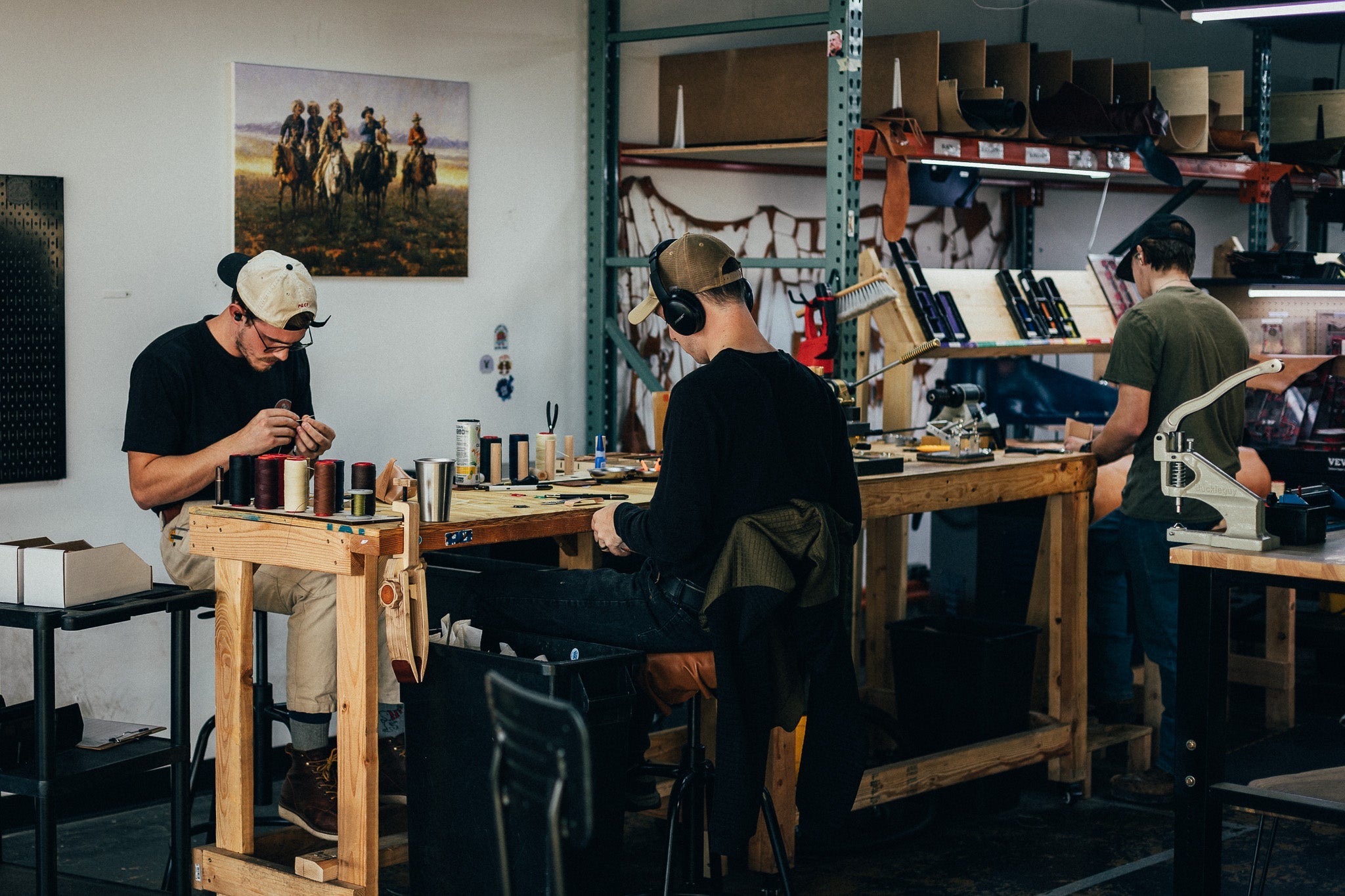
At Lost Dutchman Leather, we remain devoted to methods that respect both tradition and the material itself. Our artisans work almost entirely with vegetable-tanned leather, durable, richly textured, and perfectly suited for goods designed to endure.
Each piece, from The Belt to The AirTag Keyring, reflects the belief that quality isn’t rushed. Every cut, edge, and finish is made by hand, ensuring a lifetime of use and a patina that tells a story all its own.
-
Our products use traditional vegetable tanning for unmatched longevity.
-
Every wallet, belt, and keyring is crafted with care and precision.
Experience the Tradition for Yourself
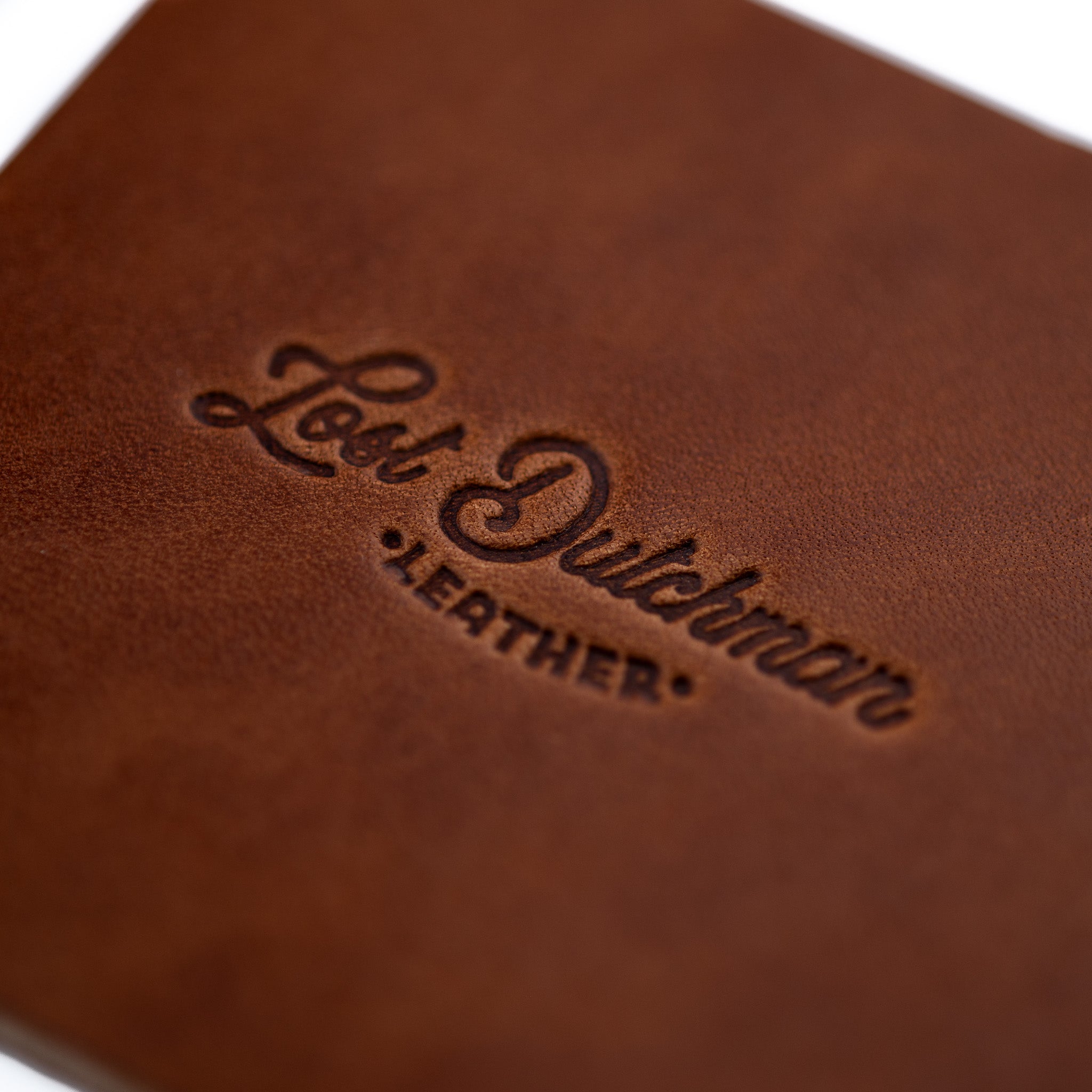
To experience the enduring appeal of traditional tanning, start by choosing goods made with vegetable-tanned leather. Notice the texture, the grain, and the way it changes over time; these details tell the story of real craftsmanship.
Consider investing in a wallet, belt, or accessory that stands the test of time. The Bifold Wallets Collection and Belts Collection are built for everyday use and will develop a personal patina that reflects your own journey. For those seeking a blend of tradition and innovation, The AirTag Keyring offers a modern twist on heritage leatherwork.
And if you’d like to learn more or ask about a particular product, don’t hesitate to contact us. Supporting traditional craftsmanship keeps these techniques alive for generations to come.