Behind the Tannery Doors: Visiting Our Eco-Conscious Leather Supplier
Most consumers never consider where their leather goods originate. A wallet appears on a retail shelf with no visible connection to the complex supply chain preceding its arrival - the livestock raising, hide processing, tanning operations, and craftsmanship transforming raw materials into finished products. This disconnect obscures critical environmental and ethical considerations affecting every leather purchase.
Understanding ethical leather production requires looking beyond finished products to examine actual production environments. What happens inside tannery walls determines leather's environmental footprint, worker safety, chemical management, and ultimate quality. The difference between eco-conscious leather tannery operations and conventional facilities dramatically affects both environmental impact and product characteristics.
Partnerships with responsible leather suppliers represent fundamental commitments rather than marketing conveniences. These relationships ensure materials meet rigorous quality and sustainability standards while supporting businesses prioritizing environmental responsibility and worker welfare. Transparency about sourcing practices builds consumer trust while demonstrating genuine commitment to ethical production.
Why Tannery Partnerships Matter
The Supply Chain Transparency Imperative
Consumers deserve knowledge about product origins and production methods. Leather goods carry particular importance because tanning processes significantly affect environmental outcomes - from water consumption and chemical usage to waste management and worker safety. Supply chain transparency empowers informed purchasing decisions aligned with consumer values.
Hidden environmental costs in opaque supply chains include toxic chemical discharge, excessive water consumption, inadequate worker protections, and livestock raising practices. Brands refusing to disclose tannery partnerships often obscure practices inconsistent with sustainability claims. This opacity enables environmental and ethical shortcuts that transparent operations cannot employ.
Trust building through openness distinguishes brands genuinely committed to responsible production from those making superficial sustainability claims. Companies willing to discuss tannery partners, visit facilities regularly, and verify practices demonstrate confidence in their supply chains. This transparency proves far more valuable than generic "eco-friendly" marketing language lacking specific supporting information.
Vetting Leather Suppliers
Establishing ethical leather production partnerships requires rigorous vetting processes. Questions to ask potential suppliers include: What tanning methods do you use? How do you treat wastewater before discharge? What environmental certifications do you hold? Can you provide facility tour opportunities? How do you ensure worker safety? What are your labor practices and wage standards?
Red flags suggesting problematic practices include reluctance to disclose processing methods, inability to provide environmental certification information, refusal to allow facility visits, vague responses about chemical management, and prices significantly below market rates for vegetable-tanned leather. These indicators suggest cost-cutting through environmental or ethical compromises.
Green lights include Leather Working Group certification, willingness to provide detailed process information, invitation to visit facilities, transparent chemical management protocols, and pride in environmental practices. Long-term relationship importance cannot be overstated - sustained partnerships enable continuous improvement, quality consistency, and mutual commitment to responsible practices.
First Impressions: The Facility
Environmental Infrastructure
Walking into an eco-conscious leather tannery reveals immediate differences from conventional operations. Visible wastewater treatment systems demonstrate commitment to environmental protection. These facilities don't discharge tanning liquids directly into municipal systems or natural waterways. Instead, sophisticated treatment processes remove contaminants before water leaves the property.
Energy efficiency measures include modern insulation, efficient heating systems for tanning drums, LED lighting throughout facilities, and renewable energy integration where feasible. While tanning requires substantial energy for heating water and maintaining proper temperatures, responsible facilities minimize consumption through infrastructure investment.
Waste management protocols segregate organic waste from chemical waste, enabling appropriate handling for each stream. Organic materials like trimmed hide pieces often go to composting or agricultural applications. Spent tannin solutions may be concentrated for reuse or processed for safe disposal. Zero-landfill goals drive continuous improvement in waste stream management.
Worker Conditions and Safety
Employee welfare indicators provide insight into ethical leather production standards. Workers wearing appropriate protective equipment - gloves, aprons, eye protection, and respirators where needed - demonstrate serious safety commitments. Conventional facilities sometimes lack basic protections, exposing workers to chemical hazards unnecessarily.
Ventilation and chemical handling systems protect worker health while preventing environmental contamination. Proper ventilation removes fumes from work areas, maintaining air quality. Chemical storage follows safety protocols preventing spills or leaks. These systems cost money upfront but prove essential for genuine eco-conscious operations.
Fair labor practices extend beyond safety to wages, hours, benefits, and working conditions. Responsible tanneries pay living wages, maintain reasonable hours, provide benefits, and treat employees with dignity. These practices cost more than exploitative alternatives but reflect values alignment necessary for ethical leather production partnerships.
The Vegetable Tanning Process Revealed
Raw Material Sourcing
Hide selection begins ethical leather production processes. Quality eco-conscious leather tannery operations source hides from livestock raised primarily for meat production, utilizing materials that would otherwise be discarded. This approach transforms waste streams into valuable products rather than creating additional demand for livestock raising.
Natural tannin sources include tree bark from oak, chestnut, hemlock, and quebracho species. Responsible tanneries source tannins from sustainable forestry operations or timber industry byproducts. The bark harvest represents value-added use of materials that might otherwise be burned or discarded during logging operations.
Sustainable forestry connections ensure tannin supply doesn't contribute to deforestation. Certification programs verify that bark comes from responsibly managed forests where harvesting doesn't exceed growth rates. This traceability extends transparency throughout supply chains, connecting finished leather wallets back to forests managed for long-term sustainability.
The Time-Intensive Process
Vegetable tanning requires patience unavailable in conventional chrome tanning operations. Initial hide preparation involves cleaning, dehairing, and treating hides to receive tannins effectively. This preparatory work alone takes several days, establishing foundations for quality finished leather.
Progressive tannin bath sequences gradually increase concentration over weeks or months. Early baths use weak tannin solutions allowing deep penetration throughout leather thickness. Later baths employ stronger concentrations fixing tannins in place. This gradual process cannot be rushed without compromising leather quality and characteristics.
Time investment distinguishes eco-conscious approaches fundamentally. Where chrome tanning completes in 24-48 hours, vegetable tanning requires 30-60 days for quality results. This extended timeline increases costs substantially but produces leather with superior aging properties, enhanced durability, and environmental advantages justifying the investment.
Quality Control Throughout Production
Testing at each production stage ensures consistency and quality. Tannery staff monitor tannin penetration, check pH levels, verify color development, and assess leather characteristics throughout processing. These checkpoints catch issues early, preventing waste from batches that don't meet standards.
Consistency standards matter significantly for leatherworking partners requiring predictable material characteristics. Thickness tolerances, temper (firmness), color uniformity, and surface quality must remain consistent across hides and batches. Achieving this consistency while using natural materials and traditional processes requires substantial expertise.
Durability verification methods include tensile strength testing, tear resistance evaluation, and accelerated aging studies. Quality tanneries don't simply produce leather meeting minimum standards - they verify materials will perform reliably through decades of use in finished leather goods. This commitment to durability aligns with environmental goals by ensuring products last generations.
Environmental Practices in Action
Water Management Systems
Water consumption represents the largest environmental impact for most tanneries. Eco-conscious leather tannery facilities implement multiple strategies reducing usage and protecting water quality. Consumption reduction begins with efficient equipment minimizing water requirements for each processing stage without compromising leather quality.
Recycling and recirculation methods reuse tannin-rich water multiple times before treatment. Tanning solutions maintain effectiveness through several hide batches, dramatically reducing fresh water demands. Some facilities achieve 50-70% water consumption reductions through systematic recycling programs compared to single-pass approaches.
Treatment before discharge removes organic compounds and tannins preventing ecosystem damage. Multi-stage treatment systems use settling tanks, biological processors, and filtration methods producing water safe for municipal systems or natural waterway discharge. Regular testing verifies treatment effectiveness, ensuring compliance with environmental regulations.
Chemical Safety Protocols
Natural tannin choices fundamentally distinguish eco-conscious operations from conventional facilities. Vegetable tanning using plant-derived tannins eliminates heavy metal concerns inherent in chrome tanning. While vegetable tannins aren't completely without environmental impact, they biodegrade naturally and don't create toxic contamination risks.
Storage and handling procedures protect workers and prevent environmental releases. Tannin extracts - while natural - require proper containment preventing spills. Other chemicals used in hide preparation follow strict protocols including labeled storage, spill containment systems, and disposal procedures preventing contamination.
Worker and ecosystem protection drives chemical management decisions. Responsible facilities choose processing agents based on safety profiles, biodegradability, and effectiveness. This approach costs more than using cheaper, harsher chemicals but reflects commitment to ethical leather production throughout operations.
Quality Indicators Throughout the Tannery
Equipment and Maintenance
Traditional rotating drums facilitate vegetable tanning through gentle agitation over extended periods. Modern eco-conscious facilities combine traditional techniques with contemporary efficiency improvements - better insulation, precise temperature control, and automation reducing labor while maintaining quality standards.
Temperature and humidity controls throughout facilities affect leather characteristics significantly. Proper environmental conditions during and after tanning prevent defects while promoting desired qualities. Investment in climate control demonstrates commitment to quality over cost minimization - an indicator distinguishing premium operations from budget facilities.
Infrastructure investment in longevity-focused equipment signals long-term operational commitment. Facilities using cheap, disposable equipment suggest short-term thinking inconsistent with environmental responsibility. Conversely, tanneries installing durable, efficient systems demonstrate confidence in sustainable business models supporting continued investment.
Testing and Certification
Leather Working Group audits provide third-party verification of environmental practices. LWG certification requires rigorous evaluation of water and energy usage, waste management, chemical handling, and traceability systems. While not perfect, LWG certification represents serious environmental commitment beyond self-reported claims.
Third-party environmental certifications extend beyond leather-specific standards to broader sustainability programs. ISO 14001 environmental management certification, local environmental awards, and industry recognition all indicate genuine efforts rather than greenwashing. Multiple certifications from different organizations provide stronger verification than single certifications.
Quality assurance protocols ensure finished leather meets specifications consistently. Testing includes measurement of thickness, strength, stretch, color consistency, and chemical residues. Quality leather belts and other products depend on reliable material characteristics - variability creates production challenges and potentially compromises finished product quality.
The Human Element: Craftspeople and Knowledge
Skilled Workforce
Tanning represents traditional craft requiring substantial expertise. Understanding how different hides respond to processing, recognizing quality indicators, adjusting tannin concentrations, and timing each stage appropriately demands knowledge developed through years of experience. This expertise distinguishes artisan tanneries from industrial facilities where workers follow rigid protocols without understanding underlying principles.
Training and skill development programs preserve tanning knowledge while building workforce capabilities. Apprenticeship models pair experienced tanners with new employees, transferring expertise over years. This investment in human capital reflects commitment to craft preservation and quality maintenance across generations.
Generational knowledge preservation matters enormously for traditional vegetable tanning. Many techniques rely on tacit knowledge not easily documented - the "feel" of properly tanned leather, subtle color indicators of tannin penetration, or texture differences signaling processing issues. Maintaining this knowledge requires dedicated effort as industrial tanning dominates global leather production.
Pride in Product
Artisan mentality versus factory mindset distinguishes ethical leather production operations fundamentally. Workers who understand their role producing materials for lasting products exhibit different care levels than employees viewing hides as commodities to process quickly. This pride manifests in attention to detail, willingness to reject substandard batches, and continuous quality improvement efforts.
Quality over quantity philosophy permeates eco-conscious leather tannery cultures. Rather than maximizing throughput, these facilities optimize for excellence. Production schedules accommodate proper tanning duration rather than rushing processes. This approach reduces total output but ensures every hide meets rigorous standards.
Connection to final products creates meaningful work engaging employees beyond simple task completion. Tanners who see finished wallets, belts, and bags made from their leather understand how their craft contributes to lasting products serving customers for decades. This connection reinforces quality commitments and environmental responsibility throughout operations.
From Tannery to Workshop: Material Journey
Leather Selection Process
Inspecting hides for quality begins partnerships between tanneries and leatherworking craftspeople. Not every tanned hide meets requirements for premium handcrafted leather goods. Selection processes evaluate surface quality, color consistency, thickness uniformity, and temper - firmness and moldability characteristics crucial for leatherworking.
Choosing appropriate weights and finishes depends on intended applications. Wallet production requires different leather characteristics than belt manufacturing. Vegetable-tanned hides arrive from tanneries in various thicknesses measured in ounces - wallet leather typically runs 3-4 ounces while belt leather requires 8-10 ounces for proper structure and durability.
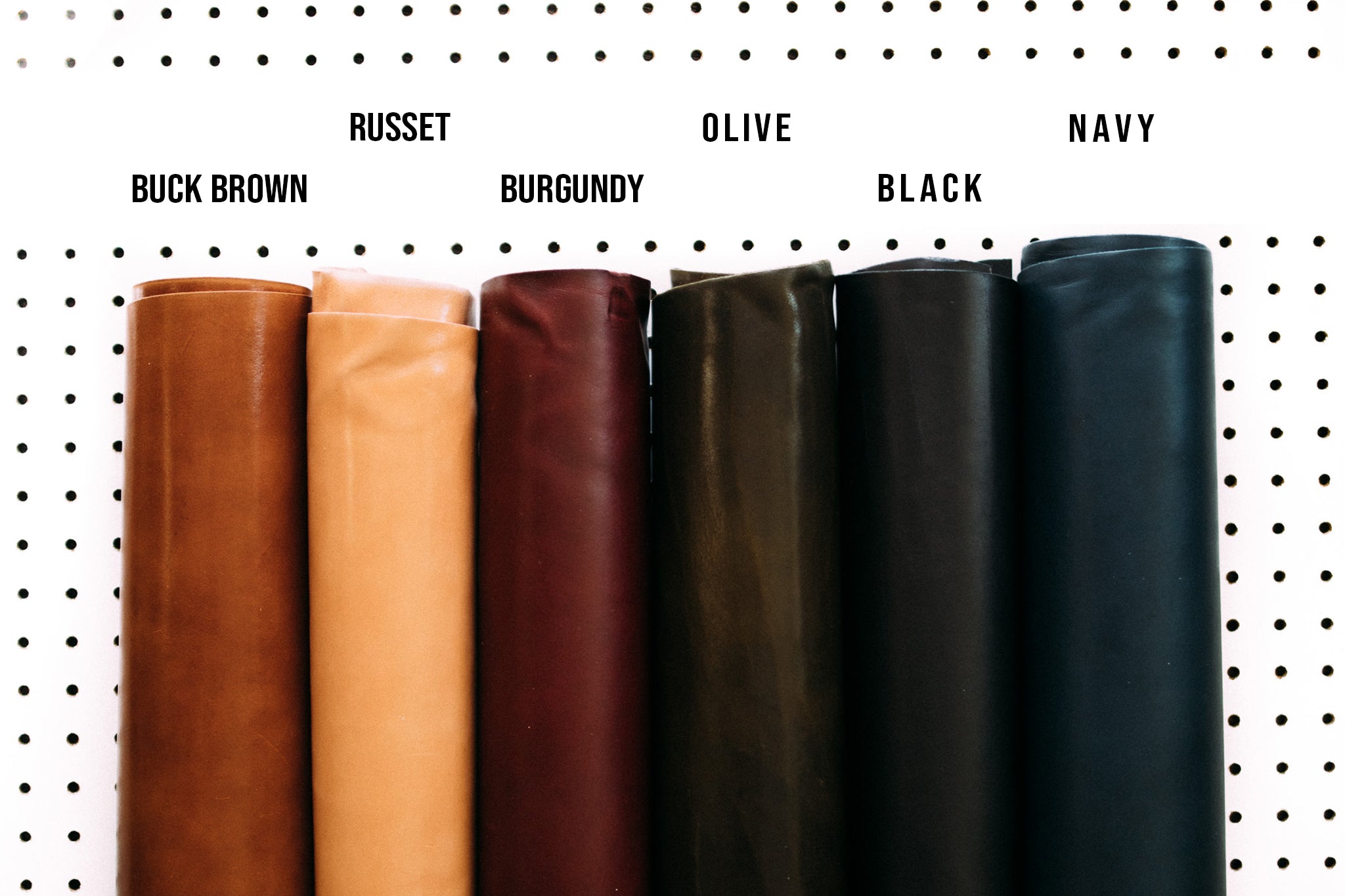
Color and texture considerations affect both aesthetics and functionality. Natural vegetable-tanned leather exhibits characteristic tan to brown tones, though dyeing enables other colors. Texture varies from smooth finished surfaces to more rustic appearances showcasing natural grain patterns. These choices reflect brand aesthetics while affecting how leather ages and develops patina over time.
Partnership Benefits
Custom specifications for leather goods become possible through direct tannery relationships. Rather than accepting whatever materials suppliers offer, craftspeople can request specific characteristics - particular temper levels, thickness tolerances, or finishing approaches. This customization enables superior finished products precisely matching design requirements.
Direct communication with tanners facilitates problem-solving when issues arise. Understanding tanning processes allows craftspeople to diagnose leather behavior problems and work with tanners addressing root causes. This collaboration improves outcomes for both parties - tanners produce leather better suited to applications while craftspeople receive materials performing optimally.
Ongoing collaboration between ethical leather production facilities and manufacturers creates feedback loops driving continuous improvement. Craftspeople share how leather performs in finished products, tanners adjust processes accordingly, and subsequent batches demonstrate improvements. These relationships produce better leather and better products over time compared to arm's-length supplier relationships.
The True Cost of Eco-Conscious Tanning
Time and Money Investment
Vegetable tanning costs significantly more than chrome tanning primarily due to time requirements. Facilities must maintain inventory for 30-60 days rather than processing hides in 24-48 hours. This capital tied up in work-in-progress inventory, combined with facility space requirements for extended processing, increases costs substantially before accounting for tannin materials and labor.
Slow processing represents environmental benefit rather than inefficiency. The extended timeline allows natural tannins to penetrate thoroughly, creating leather that strengthens over time rather than degrading. Chemical processing shortcuts may reduce costs but compromise both environmental profiles and finished leather characteristics.
Price transparency with consumers helps explain why quality leather goods cost more than mass-market alternatives. When brands share information about eco-conscious leather tannery partnerships and associated costs, consumers understand premium pricing reflects genuine value rather than excessive markup. This education builds appreciation for craftsmanship and environmental responsibility.
Long-Term Value Proposition
Superior leather aging characteristics justify higher initial costs through extended product life. Vegetable-tanned leather develops beautiful patina through oxidation and oil absorption, enhancing appearance while increasing durability. This aging process represents fundamental difference from chrome-tanned or synthetic alternatives that degrade progressively from first use.
Environmental responsibility premium reflects genuine costs of sustainable practices. Wastewater treatment systems, environmental certifications, fair labor practices, and extended processing times all increase expenses. Consumers valuing environmental protection recognize these costs represent investments in responsible production rather than unnecessary expenses.
Consumer willingness to invest in ethically produced leather goods grows as awareness increases. People understanding the environmental and quality advantages of vegetable tanning from eco-conscious facilities increasingly choose these materials despite higher prices. This market shift rewards responsible businesses while pressuring conventional operations to improve practices.
What This Means for Customers
Quality Assurance
Confidence in material sourcing allows brands to stand behind products confidently. Knowing leather comes from verified eco-conscious leather tannery operations using vegetable tanning and responsible practices means finished products will perform as promised. This assurance enables lifetime guarantees - commitments impossible with uncertain material quality.
Durability expectations align with environmental values when materials come from responsible sources. Leather designed to last decades through proper tanning processes justifies investment thinking over disposable mentality. Customers purchasing bifold wallets made from ethically produced leather expect 20-30 years of service minimum - expectations that quality materials support fully.
Environmental impact clarity eliminates greenwashing concerns plaguing sustainability discussions. Transparent supply chain information allows consumers to verify environmental claims rather than accepting vague marketing language. This clarity builds trust while enabling genuinely informed purchasing decisions aligned with personal values.
Transparency as Brand Value
Knowing product origins creates connections between consumers and production processes. Understanding where leather comes from, how it's tanned, who works in facilities, and what environmental practices are followed transforms products from anonymous commodities into goods with meaningful backstories. This knowledge enhances product value beyond pure functionality.
Verifiable sustainability claims distinguish genuine environmental commitment from superficial marketing. Brands willing to share tannery names, discuss specific practices, provide facility photos, and explain material sourcing demonstrate confidence in their supply chains. This verification proves far more credible than generic sustainability statements lacking supporting details.
Trust through openness represents competitive advantage in markets where consumers increasingly value ethical production. Transparency about ethical leather production partnerships, honest discussion of environmental trade-offs, and willingness to educate customers build loyal relationships transcending simple transactions. These relationships support sustainable business models benefiting all stakeholders.
Conclusion
Looking behind tannery doors reveals fundamental differences between eco-conscious leather tannery operations and conventional facilities. Environmental infrastructure, worker safety, vegetable tanning processes, quality control, and transparent practices distinguish responsible operations from those prioritizing cost minimization over environmental and ethical considerations.
Partnerships with ethical leather production facilities represent commitments to quality, sustainability, and transparency. These relationships ensure materials meet rigorous standards while supporting businesses genuinely dedicated to responsible practices. The resulting leather products perform exceptionally while minimizing environmental impact through natural materials, careful processing, and superior longevity.
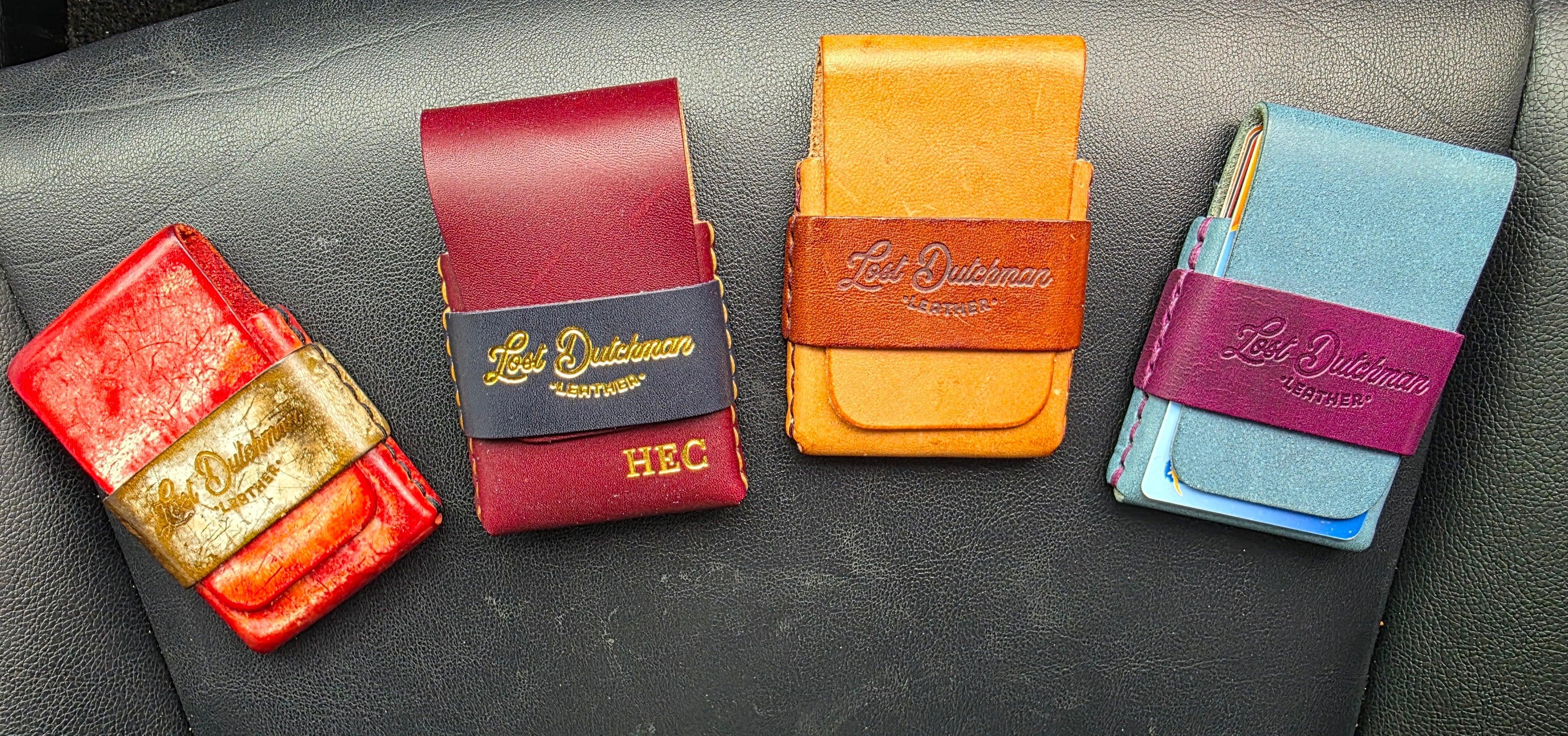
Consumer choices ultimately drive industry practices. Supporting brands with transparent, responsible leather sourcing signals market demand for ethical production. Lost Dutchman Leather partners with tanneries meeting rigorous environmental and quality standards, ensuring every product reflects commitment to sustainability and craftsmanship.
Ready to experience the difference ethical leather production makes? Explore products crafted from responsibly sourced materials and discover how supply chain transparency enhances both quality and peace of mind. Have questions about leather sourcing, tanning methods, or finding products matching your values? Contact us - our team is happy to discuss how eco-conscious tannery partnerships ensure quality leather goods you can feel confident supporting.