5 Ways to Make Your Lifestyle More Sustainable with Leather
Leather carries complicated associations in sustainability discussions. Critics highlight livestock agriculture's environmental footprint while proponents emphasize natural materials and exceptional longevity. Yet this debate often misses the practical reality: how consumers actually use leather products matters far more than the material itself. A quality leather wallet serving 30 years proves dramatically more sustainable than five synthetic replacements over the same period.
Making your lifestyle more sustainable with leather doesn't require perfection or purity. It demands thoughtful choices prioritizing durability, responsible production, and long-term value over disposable convenience. These sustainable lifestyle tips focus on actionable decisions every consumer can implement immediately, transforming leather goods from potential environmental concerns into practical sustainability strategies.
The key lies in choosing sustainable brands committed to quality construction, transparent practices, and products built for generational use rather than seasonal replacement. Five specific strategies enable consumers to leverage leather's natural advantages while minimizing environmental impact through informed purchasing and stewardship practices.
Way #1: Replace Fast Fashion Accessories with Quality Leather
The Problem with Disposable Accessories
Fast fashion's destructive model extends beyond clothing into accessories - wallets, belts, bags, and everyday carry items designed for obsolescence rather than longevity. Synthetic materials dominate this market segment, offering initial affordability while hiding substantial environmental costs throughout product lifecycles.
The average person replaces their wallet every 18 months. Cheap synthetic or bonded leather alternatives fail predictably through torn stitching, cracked surfaces, and degraded materials. This replacement cycle generates enormous waste - millions of discarded accessories annually contributing to landfills while demanding continuous manufacturing to replace failed products.
Microplastic pollution from synthetic materials compounds environmental damage. Polyurethane "leather" products shed particles throughout use and especially during decomposition. These microplastics persist in ecosystems indefinitely, contaminating water supplies and entering food chains. Natural leather avoids this pollution pathway entirely while offering biodegradability at end-of-life.
The Longevity Solution
Quality leather wallets crafted from full-grain material with proper construction serve 20-30 years routinely, with some pieces lasting 50+ years. This exceptional longevity transforms the environmental equation dramatically - one wallet serving three decades prevents 15-20 replacement cycles, eliminating the manufacturing impact, transportation emissions, and waste generation those replacements represent.
Cost per use analysis reveals the economic wisdom supporting environmental benefits. A $150 quality wallet used daily for 25 years (9,125 uses) costs approximately 1.6 cents per use. A $25 synthetic wallet lasting 18 months (548 uses) costs 4.6 cents per use. Over 25 years, purchasing replacements totals $417 - nearly triple the quality investment while generating proportionally greater environmental impact.
Waste elimination through extended product life represents the single most impactful sustainable lifestyle tip for accessories. Products that don't fail don't require replacement, don't generate packaging waste, don't consume transportation fuel for reordering, and don't contribute to landfills. This simple equation - durability equals sustainability - guides effective environmental decision-making.
Way #2: Choose Vegetable-Tanned Over Chrome-Tanned
Understanding Tanning Methods
Tanning method selection dramatically affects leather's environmental profile. Vegetable tanning relies on natural tannins extracted from tree bark, roots, and leaves - biodegradable materials processed through time-intensive traditional methods. Chrome tanning uses chromium sulfate chemicals enabling rapid processing but introducing heavy metal pollution concerns.
Environmental impact differences favor vegetable tanning substantially. Natural tannins biodegrade completely, producing wastewater treatable through conventional methods. Chromium compounds require specialized treatment preventing toxic contamination. Improperly managed chrome tanning operations - common in developing regions - discharge chromium-laden wastewater directly into ecosystems, creating serious pollution problems.
Biodegradability considerations extend to product end-of-life. Vegetable-tanned leather decomposes naturally, returning nutrients to soil. Chrome-tanned leather persists indefinitely due to chromium stabilization, potentially leaching toxic compounds during decomposition. This fundamental difference makes vegetable tanning the more sustainable choice for consumers prioritizing environmental responsibility.
Identifying Vegetable-Tanned Products
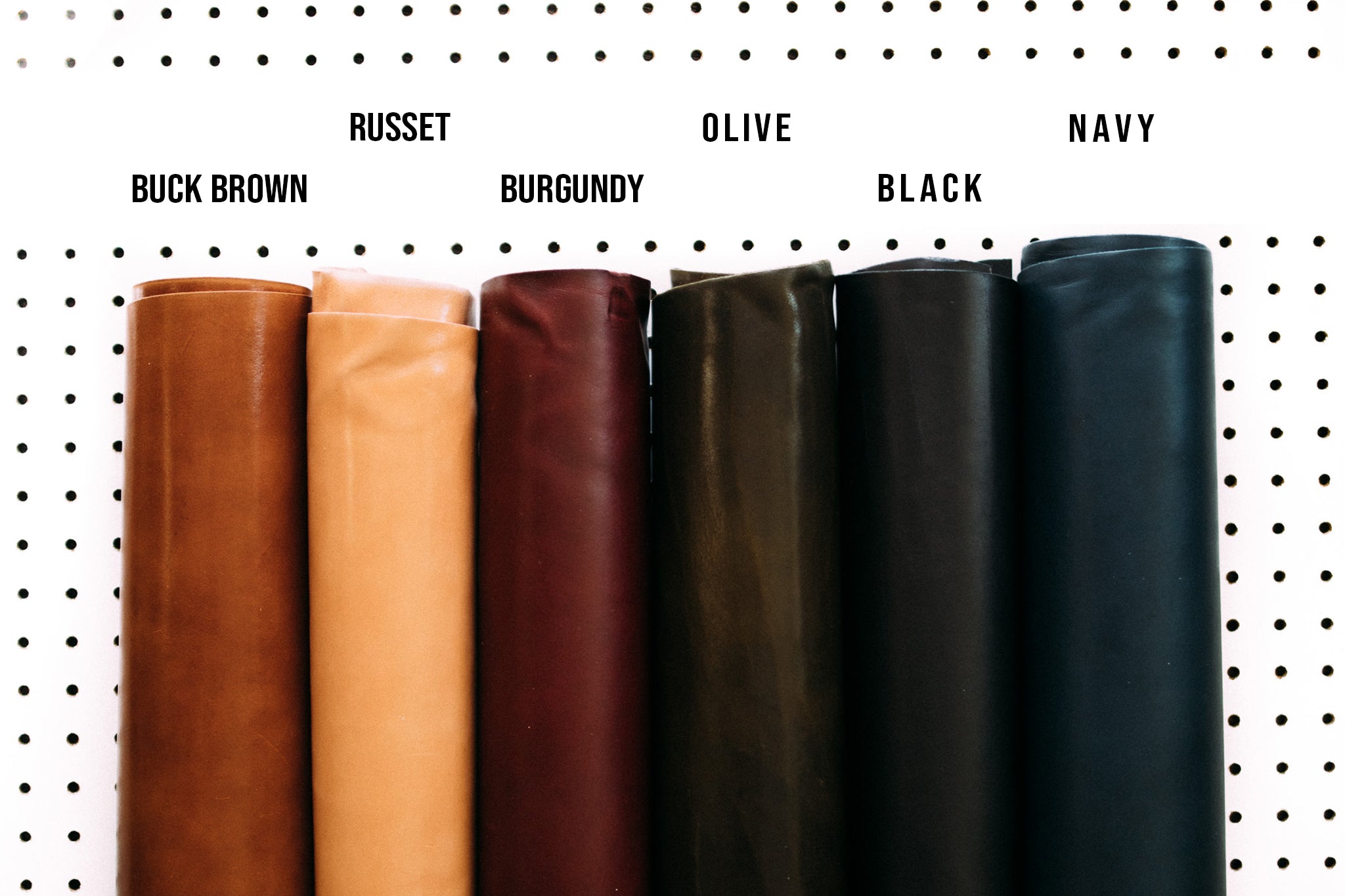
Visual and tactile characteristics help consumers identify vegetable-tanned leather. The material typically exhibits tan to brown natural coloration, though dyes can alter appearance. It feels firmer than chrome-tanned alternatives and develops distinctive patina through oxidation and oil absorption over time. The leather carries a subtle earthy, slightly sweet scent absent from chemically processed alternatives.
Brand transparency indicators signal genuine commitment to sustainable practices. Companies proudly advertising vegetable tanning demonstrate confidence in their methods. Those using vague terms like "eco-leather" without specific tanning information often obscure less sustainable chrome tanning. Transparent brands readily answer questions about tannery partners, processing methods, and environmental certifications.
Questions worth asking retailers include: What tanning method is used? Where is the leather tanned? Does the tannery hold environmental certifications? Can you provide information about wastewater treatment? Brands employing sustainable practices answer these questions confidently. Evasive responses or inability to provide specifics suggest less rigorous environmental standards.
Way #3: Support Brands with Transparent Supply Chains
What Supply Chain Transparency Reveals
Supply chain transparency demonstrates brand accountability throughout production processes. Transparent companies share information about leather sourcing - which tanneries they partner with, what quality standards they require, and how they verify sustainable practices. This openness allows consumers to assess genuine environmental commitment versus superficial marketing claims.
Material sourcing practices reveal whether brands prioritize quality and sustainability or merely minimize costs. Choosing sustainable brands means supporting companies that source full-grain leather from responsible tanneries, specify vegetable tanning when possible, and maintain relationships with suppliers sharing their values. These partnerships ensure consistent quality and environmental standards.
Labor and environmental standards vary dramatically between production regions. American manufacturers face strict regulations regarding waste treatment, chemical handling, and worker safety. Imported goods often originate from countries with minimal enforcement, externalizing environmental costs. Transparent brands disclose production locations, enabling consumers to evaluate standards applicable to their purchases.
Evaluating Brand Sustainability Claims
Certifications provide third-party verification of environmental practices. The Leather Working Group certification represents rigorous environmental auditing for tanneries, evaluating water and energy usage, waste management, and chemical handling. While not perfect, LWG certification indicates serious environmental commitment beyond marketing rhetoric.
Red flags in marketing language include vague terms like "eco-friendly," "sustainable," or "green" without specific supporting information. Genuine environmental commitment shows through concrete details: "vegetable-tanned using quebracho bark," "Leather Working Group certified tannery," "wastewater treated to remove 99% of contaminants." Specificity demonstrates authentic practices rather than greenwashing.
American-made advantages extend beyond patriotic preference to practical sustainability benefits. Domestic production shortens supply chains, reducing transportation emissions substantially. Higher labor and environmental standards ensure responsible manufacturing. Supporting American craftspeople maintains traditional skills while building local economies - benefits absent from imported alternatives produced under uncertain conditions.
Way #4: Embrace Repair and Maintenance Culture
Learning Basic Leather Care
Proper maintenance dramatically extends leather product lifespan, maximizing environmental benefits through continued use. Conditioning full-grain leather every 3-6 months replaces natural oils maintaining suppleness and preventing cracking. Quality leather conditioner costs $10-15 and lasts years, making this sustainable lifestyle tip both affordable and effective.
Storage techniques protect leather goods from premature deterioration. Avoid prolonged water exposure, extreme temperatures, and direct sunlight - conditions accelerating damage. Store leather in breathable containers rather than plastic, allowing moisture regulation preventing mold while avoiding excessive drying. These simple practices require no investment beyond awareness.
Minor repair capabilities empower consumers to address small issues before they become serious. Learning to burnish scratched edges, condition dry spots, or apply edge dressing extends product life significantly. Quality leather goods respond well to home maintenance, rewarding care with extended service life and enhanced character.
Investing in Professional Restoration
Professional leather restoration justifies investment for quality products worth preserving. Expert craftspeople can replace damaged panels, reconstruct seams, refinish surfaces, or upgrade hardware. These services cost $30-80 typically, far less than replacement while maintaining the broken-in comfort and character developed through years of use.
Cost-benefit analysis favors restoration overwhelmingly. A $150 bifold wallet accepting a $40 repair after 15 years still outperforms multiple cheap replacements financially and environmentally. The restored wallet continues serving reliably for another decade or more, extending total product life to 25-30 years from single manufacturing event.
Supporting local craftspeople through repair services builds community resilience while preserving traditional skills. Repair culture creates sustainable employment maintaining valuable expertise that disposable culture eliminates. Every repair transaction supports businesses keeping products functional rather than manufacturers producing replacements - a fundamental shift toward genuine sustainability.
Way #5: Buy Less, Choose Better Quality
Breaking the Volume Consumption Pattern
Modern consumer culture emphasizes volume - multiple cheap items rather than few quality pieces. This pattern generates waste, depletes resources, and paradoxically costs more long-term despite lower individual item prices. Breaking free requires conscious rejection of false economy in favor of investment thinking.
Curating minimalist collections focuses resources on fewer, better items. Instead of five mediocre wallets costing $125 total, invest $150 in one exceptional piece serving 20+ years. This approach reduces total consumption while improving quality of life through superior products that actually function reliably.
Investment piece mentality transforms purchasing psychology. Rather than asking "What's cheapest?" consider "What will serve longest?" and "What represents best lifetime value?" This reframing naturally guides consumers toward quality construction, responsible materials, and brands standing behind products through lifetime guarantees - choices aligning economic self-interest with environmental responsibility.
Building a Sustainable Leather Goods Collection
Essential pieces worth investing in include everyday carry items receiving constant use. A quality wallet, belt, and bag form the foundation of sustainable leather goods collections. These products justify investment through daily service over decades, delivering exceptional value per use while preventing waste from replacement cycles.
Versatile designs outlast trendy items substantially. Classic bifold wallets, simple belt designs, and timeless bag styles remain relevant regardless of fashion cycles. Choosing sustainable brands means selecting designs emphasizing function and longevity over seasonal aesthetics, ensuring products remain useful throughout their multi-decade service lives.
Lifetime guarantee policies indicate ultimate manufacturing confidence. Brands offering these commitments must build products surviving decades of use, as warranty claims would otherwise prove financially unsustainable. Lifetime guarantees transform purchases into permanent investments, eliminating replacement costs while maximizing environmental benefits through exceptional longevity.
Beyond Leather: Holistic Sustainable Living
Applying These Principles Broadly
The sustainable lifestyle tips outlined for leather goods apply across all consumption categories. Choosing quality over quantity, prioritizing repairability, supporting transparent brands, maintaining products properly, and investing in durability rather than disposability - these principles guide sustainable decision-making regardless of product type.
Repair culture extends beyond leather to electronics, appliances, clothing, and furniture. Every category faces similar challenges from planned obsolescence and disposable culture. Consumers embracing maintenance and repair across all purchases create market signals rewarding businesses building repairable, durable products while penalizing manufacturers designing for replacement.
Supporting ethical production everywhere means researching supply chains, understanding labor practices, and prioritizing domestic or certified sustainable manufacturing. The transparency standards applied to leather brands should extend to all purchases, creating consistent consumer demand for accountability throughout supply chains.
The Ripple Effect of Consumer Choices
Market signals from informed consumers drive industry transformation. When thousands of people choose vegetable-tanned leather over chrome-tanned alternatives, manufacturers respond by investing in sustainable tanning capacity. When consumers demand transparency, brands reluctantly provide information or lose customers to competitors willing to disclose practices.
Industry shifts toward sustainability accelerate as consumer demand grows. Leather goods manufacturers increasingly recognize that environmental responsibility represents competitive advantage rather than cost burden. This transformation stems directly from consumer choices rewarding sustainable practices through purchasing decisions - proving individual actions aggregate into meaningful change.
Community and environmental benefits compound as sustainable consumption becomes normalized. Local repair businesses thrive, traditional skills survive, resources conserve, waste decreases, and pollution reduces. These outcomes result from collective individual choices prioritizing sustainability - demonstrating that consumer decisions genuinely matter at scale.
Conclusion
These five strategies offer practical pathways for making your lifestyle more sustainable with leather: replacing fast fashion accessories with quality alternatives, choosing vegetable-tanned materials, supporting transparent brands, embracing repair culture, and buying less while choosing better quality. Each approach delivers measurable environmental benefits while often providing superior economic value through extended product life.
Sustainable lifestyle tips need not demand perfection or sacrifice. The most effective environmental strategies often align with economic self-interest - durability costs less long-term while preventing waste. Quality leather goods embody this alignment, transforming accessories from disposable commodities into lasting companions that serve decades while minimizing environmental impact.
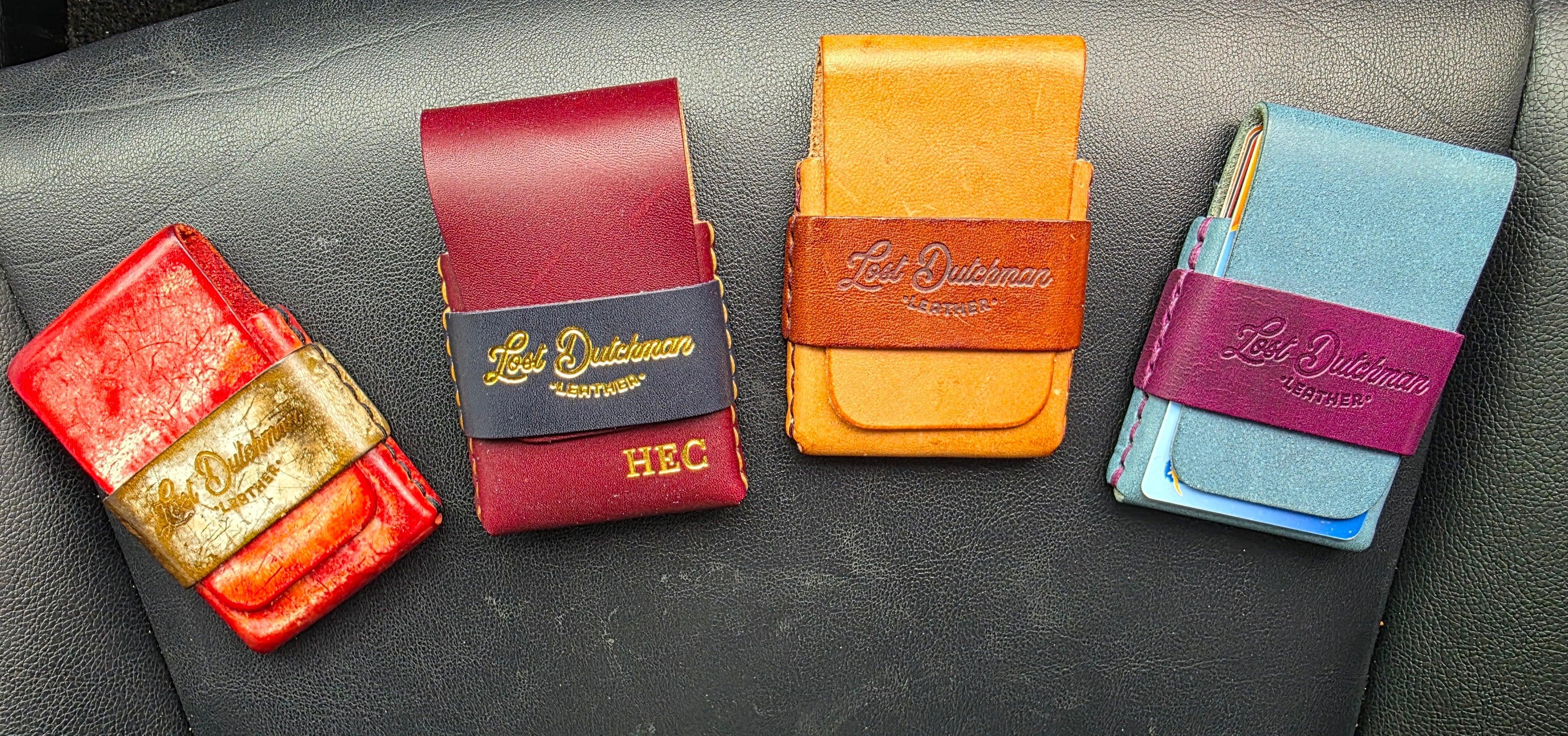
Start with one quality leather investment to experience the difference durability makes. Lost Dutchman Leather crafts products designed for generational service using vegetable-tanned materials and traditional construction methods. Every piece represents commitment to quality, transparency, and genuine sustainability through exceptional longevity.
Ready to make leather part of your sustainable lifestyle? Explore products built to last decades and discover how choosing sustainable brands delivers both environmental benefits and superior value. Have questions about materials, construction quality, or finding the right pieces for your needs? Contact us - our craftsmen are happy to discuss how quality leather goods can serve your sustainable living goals for years to come.