Anchoring Bias: How That First Quality Wallet Changes All Future Purchases
That first quality wallet doesn't just hold cards and cash - it rewires how the brain evaluates every wallet that comes after it. This phenomenon, known as anchoring bias, explains why someone who's carried a full-grain leather bifold for five years can't bring themselves to buy a $15 synthetic replacement, even when the old one still works.
The psychological mechanism is straightforward. When the mind encounters an initial reference point - called an anchor - it uses that benchmark to assess all subsequent options. In the context of leather goods, that first experience with a well-crafted wallet creates a standard that cheap alternatives can't meet. The weight, the texture, the way it ages - these tactile memories become the measuring stick.
This isn't about snobbery. It's about how human judgment actually functions. Research from behavioral economics shows that anchors influence decisions even when people know they're being affected. A 2018 study in the Journal of Consumer Psychology found that initial quality experiences increased willingness to pay for similar products by an average of 34% in subsequent purchases. The quality wallet anchoring bias shapes buying patterns for years.
What Makes a First Quality Wallet Stick in Memory
The brain doesn't store abstract concepts about "quality." It records specific sensory details. The first time someone handles a wallet made from vegetable-tanned leather, their fingers register the natural grain. They notice how the material feels substantial but not stiff. They smell the earthy, organic scent that synthetic materials can't replicate.
These details create what psychologists call a "rich encoding" - a memory with multiple sensory dimensions. When that same person picks up a bonded leather wallet at a department store three years later, their brain automatically compares. The thin, uniform surface. The chemical smell. The light weight that suggests it won't last.
The comparison happens in milliseconds, often before conscious thought. This automatic evaluation is anchoring bias at work. The first quality experience set a baseline, and everything else gets judged against it.
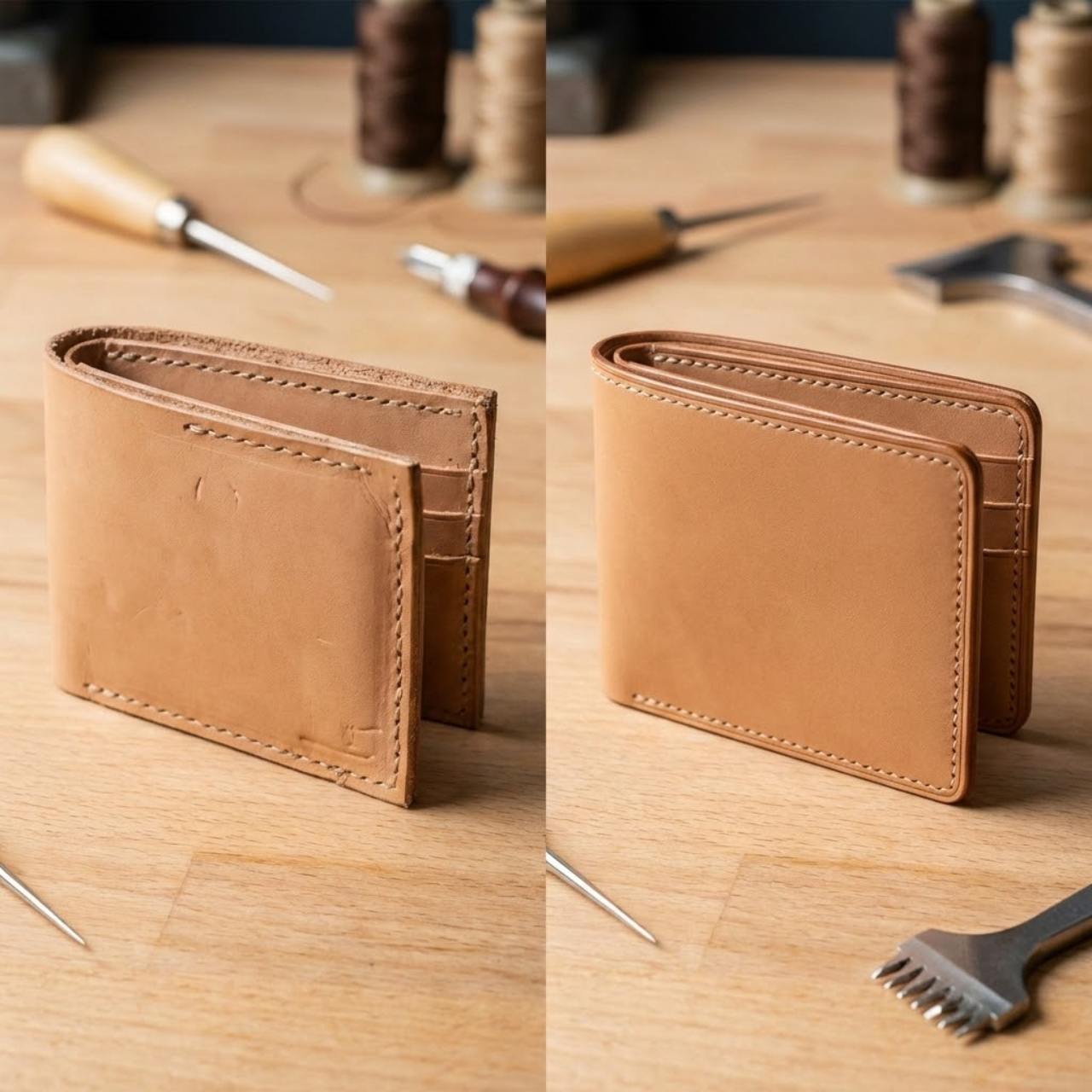
Consider what happens when someone carries a traditional bifold for a year. They watch the leather develop patina. They see how the color deepens in areas where their hand grips it most. They notice the stitching holds strong even after daily use. These observations compound over time, reinforcing the anchor and creating the first purchase influence that shapes future decisions.
The Economics of Anchoring in Leather Goods
Anchoring bias creates a counterintuitive market dynamic. Someone might spend $80 on their first quality wallet and think it's expensive. But after two years of use, when they need a second wallet, they'll readily pay $120 for something of similar or better quality. The anchor has shifted their reference point upward.
This explains why Lost Dutchman Leather customers often return for additional pieces. Their first wallet - whether it's a traditional design or a minimalist card holder - establishes expectations that mass-produced alternatives can't satisfy. The anchor doesn't just influence wallet purchases; it extends to belts, keyrings, and other leather accessories.
The numbers support this pattern. Customer lifetime value data from heritage brands shows that buyers who start with premium products spend 3-5 times more over five years compared to those who begin with budget options. The initial anchor determines the trajectory.
But there's a practical consideration here. Anchoring bias can work against consumers if the first "quality" experience is actually mediocre. Someone who buys a $40 wallet marketed as "genuine leather" might think they've experienced quality goods. That false anchor sets a low baseline, making them resistant to spending more on actual full-grain leather later. This is why the first purchase matters so much - it either opens the door to appreciating genuine craftsmanship or closes it by creating a misleading reference point.
How Anchoring Bias Affects Product Evaluation
When someone evaluates a new wallet, they don't start from zero. Their brain pulls up the anchor - that first quality experience - and uses it as a shortcut. This cognitive efficiency saves time but introduces systematic bias into decision-making.
The bias manifests in specific ways. Price perception shifts dramatically. If the first quality wallet cost $75, anything priced at $30 seems suspiciously cheap. The anchor suggests that good leather goods require a certain investment. Conversely, someone whose first "leather" wallet cost $20 might see a $75 option as overpriced.
Material assessment becomes automatic. Hands that have felt full-grain leather immediately detect the difference in bonded or corrected-grain alternatives. The texture, flexibility, and weight don't match the anchor. This tactile comparison happens automatically, often before looking at the price tag.
Durability expectations reset entirely. A wallet that's lasted three years without falling apart resets expectations. When evaluating new options, the mind asks: "Will this last as long?" Products that show obvious signs of weak construction - thin leather, glued edges, flimsy stitching - get dismissed quickly.
Aesthetic standards change too. The way quality leather ages becomes an anchor for visual preferences. Someone who's watched their wallet develop a rich patina can spot the artificial, uniform appearance of synthetic materials. The contrast is stark once you know what to look for.
These evaluation shortcuts aren't conscious calculations. They're automatic comparisons that happen in the background of decision-making. This is why sales tactics that try to "reframe" quality often fail - they're fighting against an established neural reference point.
The Difference Between Cheap Anchors and Quality Anchors
Not all anchors are created equal. A $15 polyurethane wallet might be someone's first "wallet experience," but it creates a weak anchor. Why? Because it lacks the distinctive characteristics that create memorable sensory encoding.
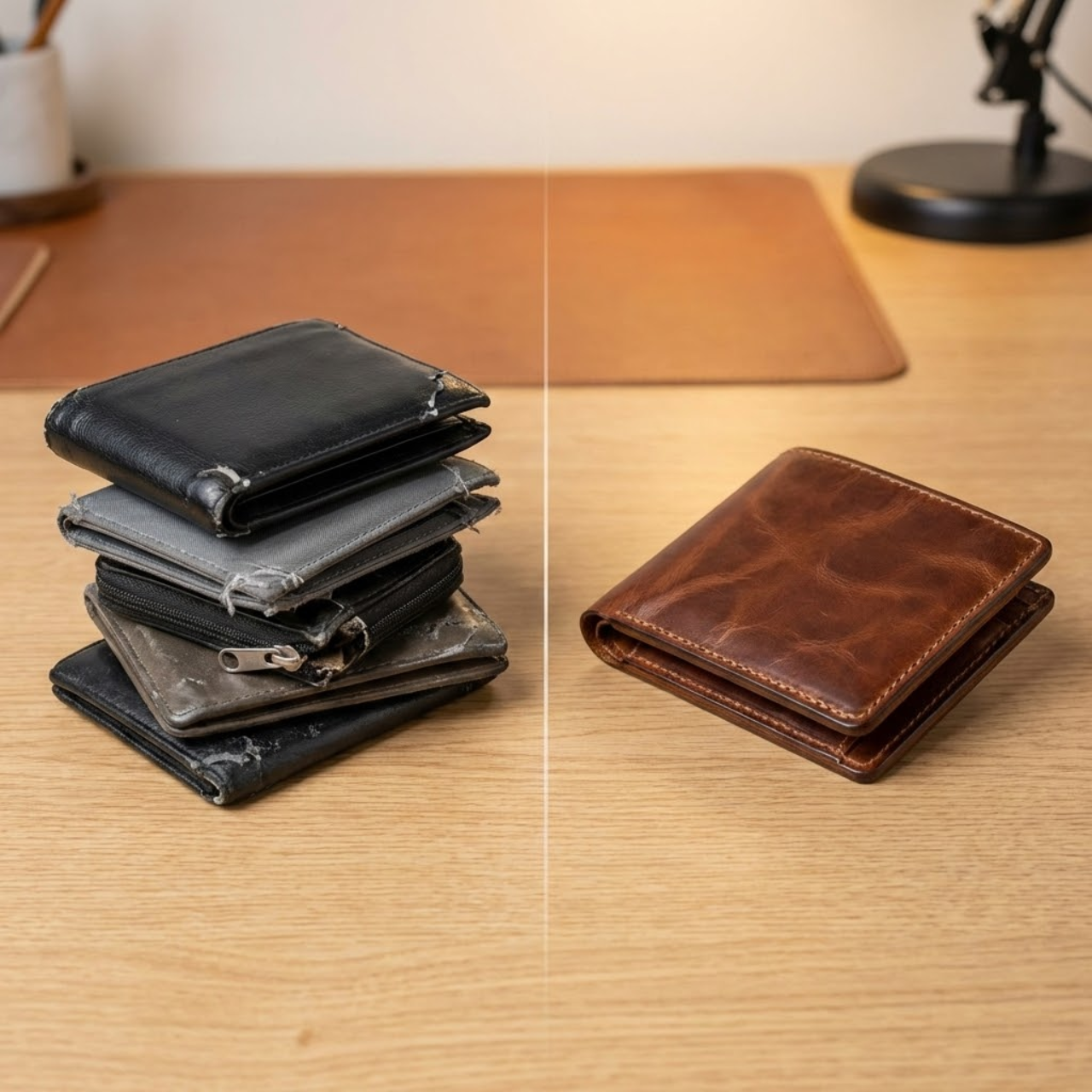
Cheap wallets don't age; they deteriorate. They don't develop patina; they fade or peel. They don't conform to the owner's pocket; they stay stiff or become floppy. These non-events don't give the brain much to remember or compare against.
Quality anchors, by contrast, create what behavioral scientists call "preference persistence." The initial positive experience with a full-grain leather wallet generates expectations that persist across years and multiple purchases. The anchor becomes stronger over time rather than fading.
This explains a common pattern: someone buys a cheap wallet, replaces it every 6-12 months, and doesn't think much about it. Then they receive a quality leather wallet as a gift. Within a year, they can't imagine going back. The new anchor has replaced the old one, and it's far more powerful because it's based on superior materials and construction.
The strength of an anchor correlates with the distinctiveness of the experience. A card holder that's been carried daily for two years has created thousands of micro-interactions - each time it's pulled from a pocket, each time cards slide in and out. These repeated interactions reinforce the anchor and establish a wallet reference point that's difficult to ignore.
Breaking Free from Bad Anchors
Someone stuck with a low-quality anchor faces a psychological barrier. Their reference point tells them that $70 for a wallet is excessive because they've only ever spent $20. Breaking through this requires disrupting the existing anchor with new information.
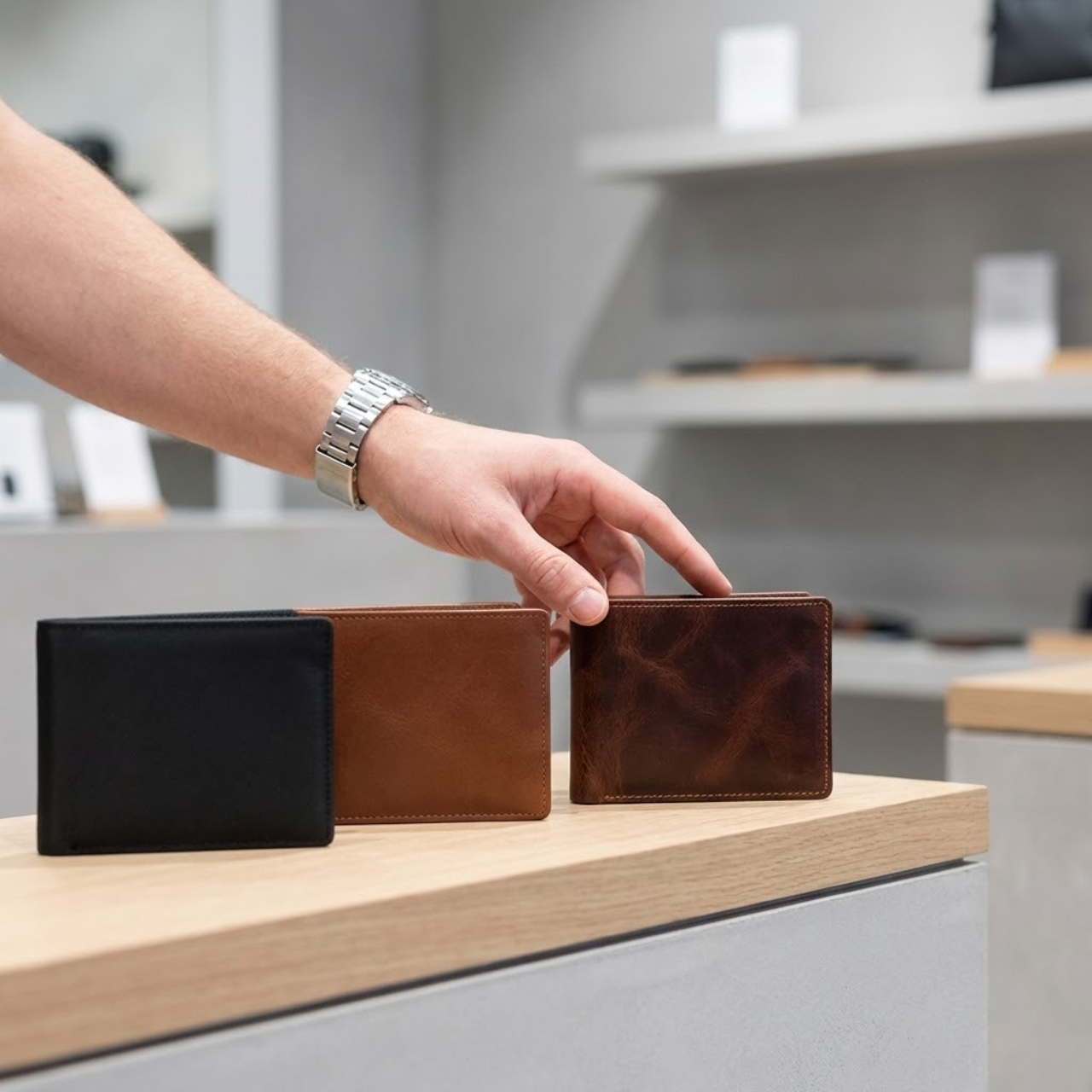
Physical comparison works effectively. Holding a full-grain leather wallet next to a bonded leather one makes the difference tangible. The weight, flexibility, and grain pattern provide immediate sensory contrast. This direct comparison can weaken a bad anchor by introducing new reference points.
Running longevity calculations often reveals that quality goods cost less over time. A $75 wallet that lasts 10 years costs $7.50 per year. A $20 wallet replaced annually costs more in the long run. This reframe doesn't eliminate the anchor but adds a competing consideration.
Education about materials helps people recognize when they've been anchored to inferior products. Understanding what full-grain, top-grain, and genuine leather actually mean disrupts the anchor by revealing that the initial reference point was based on incomplete information.
Trial periods reduce risk. Many people won't adjust their anchor without direct experience. This is why satisfaction guarantees matter - they reduce the risk of trying a higher-quality product that might reset the anchor. The goal isn't to eliminate anchoring bias - that's impossible, it's hardwired into cognition. The goal is to establish an anchor based on actual quality rather than marketing claims or price alone.
The Long-Term Effect of Quality Anchors on Buying Behavior
Once established, a quality anchor influences purchases far beyond wallets. Someone who appreciates how a well-made wallet ages starts noticing quality in other categories. They become more attentive to materials in boots, bags, furniture, and tools.
This is called "anchor generalization" - the tendency for a strong reference point in one category to influence related categories. A person who learns to value full-grain leather in wallets often becomes more discerning about leather belts, watch straps, and bags.
The pattern extends beyond leather. The underlying principle - that well-made goods justify their cost through longevity and performance - transfers to other purchases. Someone anchored to quality leather goods is more likely to buy durable cookware, reliable tools, and long-lasting clothing.
This shift represents a fundamental change in consumer behavior. Instead of optimizing for lowest upfront cost, the decision framework shifts to cost per use and long-term value. The quality anchor doesn't just affect what people buy; it changes how they evaluate purchases.
From a business perspective, this explains why heritage brands focus on first-purchase experience. Getting a customer to try one quality product creates an anchor that drives repeat purchases. The customer lifetime value isn't just about that first sale - it's about establishing a reference point that shapes years of future decisions.
Why Some People Resist Quality Anchors
Not everyone who tries a quality wallet gets anchored to it. Several factors determine whether the anchor takes hold. Timing matters significantly. Someone buying their first wallet at 16 might not appreciate quality the same way someone does at 35. Life experience and purchasing power affect whether quality differences register as meaningful.
Context creates different anchors too. A wallet received as a gift creates a different anchor than one purchased after research. The investment of time and money in choosing a quality product strengthens the anchor. Awareness plays a role - some people don't notice the differences between leather grades or construction methods. Without sensory awareness, the distinctive qualities that create strong anchors don't register.
Competing values matter as well. Someone who prioritizes minimalism or frequent style changes might not value durability. For them, a wallet is a temporary accessory, not a long-term investment. Quality anchors don't form because longevity isn't valued.
Budget constraints create tension. Anchoring bias can create frustration when someone recognizes quality but can't afford it. This is where the bias becomes challenging - the anchor is established, but financial reality prevents acting on it. Understanding these resistance points matters because it reveals that quality anchors aren't universal. They form most strongly in people who value durability, appreciate materials, and have the resources to invest in goods that last.
Practical Applications of Anchoring Awareness
Knowing how anchoring bias works provides practical advantages when buying leather goods. Start with research before making a first quality purchase. Learn what to look for. Understanding full-grain leather, saddle stitching, and construction methods helps ensure the first anchor is based on genuine quality, not marketing.
Handle multiple options when possible. Physical comparison weakens the influence of any single anchor. Touching several wallets - from budget to premium - provides multiple reference points rather than one dominant anchor. Consider cost per year by calculating the annual cost of a wallet based on expected lifespan. This math creates a competing anchor based on value rather than just upfront price.
Buy once, buy right whenever possible. If anchoring bias is inevitable, it's better to establish a quality anchor from the start. The first leather belt or bifold wallet sets the standard for all future purchases. Recognize when anchors are misleading. If a first "leather" wallet was actually bonded leather marketed as quality, recognize that the anchor is based on inferior materials. Adjusting the anchor requires acknowledging the initial reference point was flawed.
These strategies don't eliminate bias - they work with it. By understanding how anchors form and influence decisions, buyers can ensure their reference points are based on actual quality rather than clever marketing or low prices.
Conclusion
Anchoring bias explains why that first quality wallet has outsized influence on every purchase that follows. The brain uses initial experiences as reference points, and in leather goods, this means the first encounter with full-grain leather and solid construction creates a standard that cheap alternatives can't meet.
This psychological mechanism isn't a flaw - it's how human judgment works. The key is ensuring the anchor is based on genuine quality. Someone whose first leather wallet is a well-crafted bifold or card holder develops expectations that drive better purchasing decisions for years. They learn to value durability over disposability, materials over marketing, and long-term value over short-term savings.
The first quality wallet doesn't just change future wallet purchases - it reshapes how someone evaluates goods across categories. That initial anchor creates a framework for recognizing craftsmanship, appreciating materials, and calculating true cost. The quality wallet anchoring bias becomes a lasting cognitive tool that improves every subsequent purchase decision.
For anyone serious about buying goods that last, establishing the right anchor from the start matters more than any single purchase that follows. That first experience with true quality leather sets a reference point that elevates standards permanently. For questions about which pieces fit specific needs and preferences, contact us to discuss options.