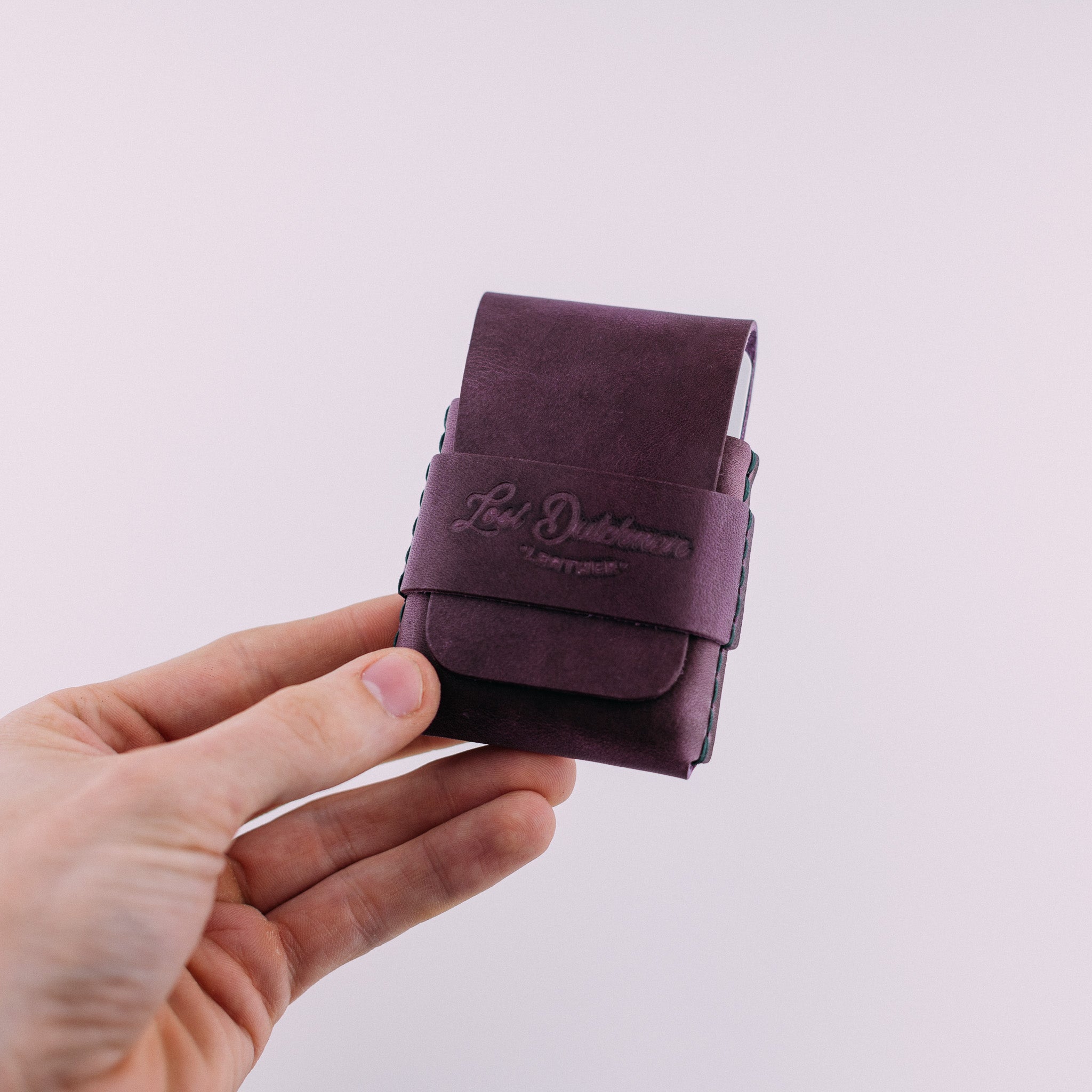

What's In Your Wallet? Carry Just the Essentials with Confidence
The contents of your wallet say more than you might think. Between credit cards, receipts, expired coupons, and forgotten membership cards, most wallets become cluttered repositories that create unnecessary risks. Understanding what to carry in wallet spaces and things to never carry in wallet compartments transforms daily convenience while protecting your identity and financial security.
A streamlined wallet isn't just about aesthetics or minimalism. It's about making intentional choices that enhance security, improve comfort, and simplify your everyday carry. Lost Dutchman Leather specializes in handcrafted wallets designed to help you carry exactly what matters - nothing more, nothing less.
What to Carry in Your Wallet - The Essentials
Primary Identification and Payment Methods
Every functional wallet needs certain foundational items. Your driver's license or state-issued identification card tops this list, serving as your primary proof of identity for everything from traffic stops to age verification. Keep this in an easily accessible slot where you can retrieve it quickly.
For payment methods, limit yourself to two or three cards maximum. Choose one primary credit card for most purchases, one debit card for ATM access, and potentially one backup credit card for emergencies or specific reward categories. Quality card holders make this limitation easier by providing just enough slots to prevent card accumulation.
Your health insurance card deserves a permanent spot in your wallet. Medical emergencies don't announce themselves, and having immediate access to insurance information can expedite treatment and reduce billing complications.
Emergency and Practical Items
Consider adding a small emergency contact card with critical phone numbers - especially helpful if your phone is lost or damaged simultaneously with your wallet. Include contacts for a family member, your doctor, and any critical medical conditions or allergies that emergency responders should know.
Cash still matters, even in our increasingly digital world. Carry $20-$50 in small bills for situations where cards aren't accepted, technology fails, or you need to make quick purchases without transaction fees. This modest amount provides flexibility without creating a significant loss risk.
Things to Never Carry in Your Wallet - Security Risks
Documents That Increase Identity Theft Risk
Understanding things to never carry in wallet spaces starts with the most dangerous items. Your Social Security card should never leave your home safe except for specific situations requiring the original document, like applying for a new job. The nine-digit number on this card provides identity thieves with the master key to your financial life.
Passports belong in home storage unless you're actively traveling internationally. Even domestic travel rarely requires a passport when you have other identification. Carrying your passport unnecessarily exposes it to loss or theft, creating expensive and time-consuming replacement processes.
Birth certificates, marriage licenses, and other vital records serve no purpose in daily carry. These documents exist for specific occasions - leave them secured at home and carry certified copies only when specifically required.
Password lists, PIN codes, or any document with login credentials represent catastrophic security vulnerabilities. If someone finds your lost wallet with this information, they gain access to your entire digital life. Memorize important codes or use secure password management apps instead.
Financial Items That Amplify Loss
Multiple credit cards create unnecessary exposure. Each additional card in your wallet multiplies the cancellation tasks, fraud monitoring, and replacement hassles if your wallet disappears. Store backup cards at home - you can access them when needed without carrying the daily risk.
Blank checks essentially carry your bank routing number, account number, and signature in one convenient package for thieves. Write checks at home and take only the specific one you need, or better yet, switch to electronic payment methods.
Gift cards you're not using immediately have no business in your wallet. They add bulk, increase loss risk, and provide untraceable value to anyone who finds them. Store gift cards at home and transfer them to your wallet only on the day you plan to use them.
Personal Information to Keep Elsewhere
Spare keys seem practical until you realize that losing your wallet now means someone potentially has your address (from your driver's license) and your house keys. Keep spare keys in your car, with a trusted neighbor, or in a secure lockbox.
Receipts containing full credit card numbers create identity theft opportunities. Modern receipts typically show only the last four digits, but older or poorly configured systems still print complete numbers. Review receipts immediately after purchases and shred any with complete card numbers rather than storing them in your wallet.
Photos or photocopies of important documents might seem like smart backups, but they create the same vulnerability as the originals if your wallet is compromised. Use secure digital storage for document backups instead.
Benefits of Carrying Only Essentials
Enhanced Security and Peace of Mind
Limiting what to carry in wallet spaces to true essentials dramatically reduces your risk exposure. When your wallet contains only a few cards and your ID, losing it becomes an inconvenience rather than a catastrophe. You can cancel two or three cards in minutes instead of spending hours trying to remember every account you need to secure.
The psychological benefit of knowing you're not carrying sensitive documents or excessive financial instruments provides daily peace of mind. You can go about your life without constantly worrying about your wallet's security or patting your pocket to verify its presence.
Recovery from wallet loss becomes exponentially simpler with minimal contents. You know exactly what was inside, exactly what needs replacement, and exactly what fraud to monitor. This clarity reduces stress and speeds recovery time.
Physical and Practical Advantages
Overstuffed wallets create genuine health problems. Back pocket carry of a thick wallet causes pelvic misalignment and lower back pain - a condition so common that doctors recognize "wallet sciatica" as a medical issue. Slim wallets eliminate this problem entirely.
Finding what you need becomes instantaneous when your wallet contains only essentials. No more fishing through accumulated receipts, expired cards, and forgotten loyalty cards to locate your driver's license. Efficient bifold wallets with limited but well-designed slots encourage this streamlined organization.
Handcrafted leather wallets actually last longer when not overstuffed. Excessive bulk strains stitching, distorts the leather shape, and accelerates wear at stress points. A wallet carrying appropriate weight maintains its form and develops an even, beautiful patina over years of use.
Choosing the Right Wallet for Essential Carry
Minimalist Wallet Options
The physical design of your wallet can enforce or undermine your essential-carry goals. Wallets with six or eight card slots naturally tempt you to fill every slot. Designs with three to five slots make conscious decisions unavoidable.
Slim card holders represent the ultimate minimalist approach. These designs typically accommodate four to six cards plus some folded bills, forcing ruthless prioritization of what deserves wallet space. Front pocket carry becomes comfortable, and the slim profile disappears in your pocket rather than creating an obvious target for pickpockets.
Traditional bifolds still serve minimalist goals when designed thoughtfully. Look for versions with limited card slots, a simple bill compartment, and no unnecessary features like coin pouches or photo sleeves. Full-grain leather construction ensures these simplified designs remain durable and functional for decades.
Features That Support Smart Organization
Quick-access design elements help you carry only what you frequently need. External card slots for your most-used card reduce wear on other cards and speed up checkout processes. Clear interior organization prevents the "junk drawer" effect that leads to accumulation.
Durable construction from vegetable-tanned leather means your minimalist wallet becomes a long-term companion rather than a disposable item. This permanence encourages you to think carefully about what earns a place inside, as you'll be making this decision for years rather than months.
Creating Your Personal Wallet Strategy
Audit Your Current Contents
Start your essential-carry journey by emptying your wallet completely onto a table. Examine every item honestly. When did you last use that hardware store rewards card? Why are you carrying a business card from a service you never call? Do you really need three different gym memberships in your wallet?
Create three piles: essential (use weekly or more), occasional (use monthly), and unnecessary (haven't used in months). Be ruthless with the occasional category - if you only use something monthly, can you retrieve it from home, car, or phone when needed?
Digitize whenever possible. Loyalty programs typically have phone apps more convenient than carrying cards. Insurance information can be photographed and stored securely in your phone. Contact information belongs in your phone's contact list, not on scraps of paper in your wallet.
Establish Replacement Locations
Success with knowing things to never carry in wallet requires having secure alternatives. Invest in a small fireproof safe for your home to store Social Security cards, passports, birth certificates, and other vital documents. This central location means you know exactly where to find important papers when legitimately needed.
Use your car's glove compartment or center console for backup credit cards, extra cash, or items you might need while out but not constantly. Your vehicle provides mobile access without pocket carry.
Digital storage solutions handle everything from receipt archives to document backups. Password-protected cloud storage or encrypted drives keep information accessible across devices while maintaining security far beyond what any physical wallet provides.
Monthly Review Routine
Set a monthly reminder to audit your wallet contents. This five-minute review prevents slow accumulation of unnecessary items. Remove receipts (photographing any needed for returns or warranties), discard expired cards, and verify that your emergency contact information remains current.
Update your emergency cash if you've spent it. Verify that the cards you're carrying still align with your current needs - perhaps you've changed jobs and no longer need that specific commuter card, or you've moved and that local business card no longer serves any purpose.
This regular maintenance keeps your wallet functioning as a tool rather than becoming a burden. Like any well-maintained equipment, a properly curated wallet serves you better and longer.
Conclusion
Making smart decisions about what to carry in wallet spaces and understanding things to never carry in wallet compartments protects your security while improving daily comfort and convenience. The minimalist approach isn't about deprivation - it's about intentional choices that prioritize what genuinely matters.
Start with small changes: remove one unnecessary card this week, relocate your Social Security card to home storage, digitize three membership cards. These incremental improvements add up to significant security enhancements and practical benefits.
Ready to support your essential-carry lifestyle with a wallet designed for purpose rather than excess? Explore handcrafted options built to carry exactly what you need at Lost Dutchman Leather. The combination of thoughtful design and quality construction ensures your streamlined wallet becomes a trusted companion for years to come.
Have questions about which wallet design best suits your essential-carry needs? Contact us to discuss how our craftsmen can help you carry just the essentials with confidence.