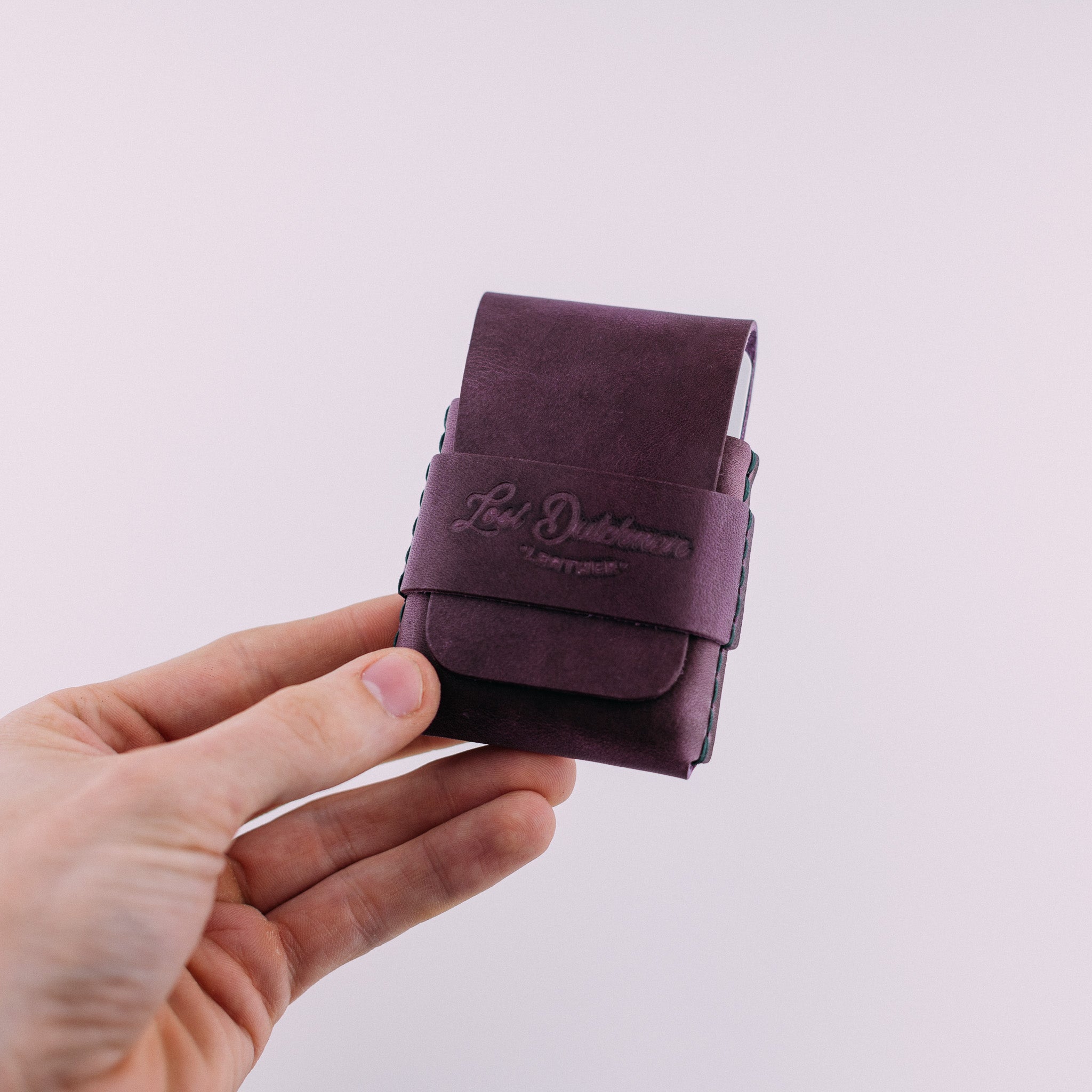

5 EDC Tips for Staying Organized and Prepared
Everyday carry has become more than just a trend - it represents a practical approach to being prepared for daily challenges. Whether heading to work, running errands, or traveling, having the right items organized and accessible makes life significantly easier. Many people struggle with pocket clutter, forgotten essentials, or carrying too much unnecessary gear. These five EDC organization tips will help streamline daily carry while ensuring preparedness for whatever the day brings.
Developing an effective everyday carry system requires thoughtful selection, proper organization, and consistent habits. The goal isn't to carry everything possible but to carry the right things in the right way. From selecting quality gear to establishing routines, these strategies will transform how daily essentials are managed and accessed.
Choose Quality Over Quantity - Start with EDC Essentials
The foundation of effective EDC organization tips begins with intentional selection. Rather than cramming pockets with every potentially useful item, focus on identifying true daily needs. This means honestly assessing which items get used regularly versus those that remain untouched for weeks or months.
Identify Your True Daily Needs
Start by tracking what actually gets used throughout a typical week. Most people discover they rely on a core set of items - keys, wallet, phone, and perhaps a few specific tools. Everything beyond these essentials should justify its presence through regular use. Avoid the common trap of carrying items "just in case" when that case rarely materializes.
Multi-functional tools deserve priority in any EDC setup. A quality pen that writes reliably serves better than carrying three mediocre alternatives. Similarly, a leather wallet that holds cards securely while remaining slim accomplishes more than a bulky option stuffed with rarely-used items.
Invest in Durable, Long-Lasting Gear
Quality matters significantly when items are carried and used daily. Cheap accessories wear out quickly, leading to replacements, frustration, and ultimately spending more money over time. Full-grain leather products from Lost Dutchman Leather exemplify the durability advantage - these pieces develop character through use while maintaining functionality for years or decades.
Handcrafted leather goods offer practical benefits beyond aesthetics. The construction quality ensures seams don't fail, stitching remains intact, and materials age gracefully rather than deteriorating. A well-made bifold wallet or card holder becomes more comfortable and personalized with use, unlike synthetic alternatives that crack and degrade.
The initial investment in quality EDC items pays dividends through longevity and reliability. When gear performs consistently day after day, it builds confidence and eliminates the need to think about whether items will hold up when needed most.
Use an EDC Pouch for Better Organization
One of the most effective EDC organization tips involves using an EDC pouch to contain smaller items that would otherwise create pocket chaos. Loose items like keys, coins, charging cables, or small tools tend to tangle, make noise, and prove difficult to locate quickly. A dedicated organizational system solves these problems elegantly.
Benefits of Dedicated Organization Systems
Using an EDC pouch transforms how small essentials are carried and accessed. Instead of digging through pockets or dumping contents onto a surface to find one specific item, everything has a designated spot within the pouch. This organization saves time and reduces frustration throughout the day.
Pouches protect pocket linings from wear caused by keys and metal objects. They also prevent items from falling out during activities like sitting, bending, or moving quickly. For anyone who has lost keys or other small essentials, this containment provides valuable peace of mind.
The accessibility advantage cannot be overstated. When items are organized within a pouch, finding what's needed becomes intuitive. Many users develop muscle memory for where specific items rest, allowing nearly instant access without visual searching.
Choosing the Right Pouch Size and Style
Pouch selection should match individual carry needs and preferences. A minimalist who carries only keys and a few small tools needs a compact option, while someone who carries more items benefits from additional organization features like multiple compartments or elastic loops.
Leather pouches offer distinct advantages for everyday carry. The material provides durability while developing a personal patina that reflects individual use patterns. Unlike synthetic materials that can feel cheap or deteriorate quickly, quality leather ages beautifully and maintains structural integrity through years of daily service.
Features to consider include closure methods (zipper, snap, or open-top), interior organization (single compartment versus divided sections), and size relative to intended carry location (pocket, bag, or belt). The right pouch should feel natural to use and enhance rather than complicate the carry experience.
Optimize Your Wallet for Minimalist Carry
The wallet represents one of the most frequently accessed EDC items, making its organization and efficiency critical. A bloated wallet creates unnecessary bulk, while a thoughtfully curated one provides quick access to essential cards and cash without pocket-distorting size.
Streamline What You Carry Daily
Regular wallet audits reveal surprising accumulation of unnecessary items. Old receipts, expired cards, loyalty cards for businesses rarely visited, and "emergency" items that never get used all contribute to excessive bulk. Removing these items immediately improves carry comfort and access speed.
Digital payment methods and smartphone-based loyalty programs reduce the need to carry physical cards. Many people discover they can comfortably function with 4-6 essential cards rather than the dozen or more often accumulated. This reduction allows switching to a more minimalist wallet design that remains functional while drastically reducing pocket bulk.
Schedule quarterly or biannual wallet reviews to maintain this streamlined approach. Without periodic attention, wallets naturally accumulate clutter that undermines the benefits of starting with a minimalist foundation.
Select the Right Wallet Style
Wallet style should match both carry preferences and actual needs. Traditional bifold wallets work well for those who carry cash regularly and prefer conventional organization. The familiar format provides dedicated sections for bills and cards while folding compactly.
For those who carry minimal cash and prefer maximum pocket efficiency, card holders represent the ultimate minimalist solution. These slim designs hold essential cards securely while eliminating bulk entirely. Many users find the transition liberating once they adjust to the streamlined approach.
The material choice significantly impacts long-term satisfaction. Full-grain leather wallets develop a personal character through use, with patina and slight wear telling the story of daily carry. This aging process creates a unique piece that grows more attractive rather than simply wearing out like lower-quality alternatives.
Establish a Consistent Daily Carry Routine
Effective EDC organization extends beyond selecting the right gear - it includes developing habits that ensure items are always ready when needed. Consistency eliminates the morning rush to locate essentials and prevents the frustration of forgotten items.
Create a Designated Spot for EDC Items
Establishing a dedicated home location for everyday carry gear makes preparation automatic. Whether a dresser top, entry table, or specific drawer, this spot becomes the anchor point for daily routines. Each evening, items return to this location during the end-of-day routine.
This consistent placement serves multiple purposes. It creates a visual reminder to collect all essential items before leaving. It prevents items from being misplaced in random locations throughout the home. And it streamlines the morning routine by eliminating search time.
The designated spot should accommodate all regular EDC items comfortably. Consider including space for items that rotate based on circumstances, such as different leather accessories for work versus weekend activities.
Regular Maintenance and Inspection
Daily carry items deserve periodic attention to ensure continued reliability. Leather goods benefit from occasional conditioning to maintain suppleness and water resistance. Metal components should be checked for wear or loosening. Batteries in EDC tools need monitoring and replacement before they fail at inconvenient moments.
This maintenance doesn't require extensive time - a few minutes monthly proves sufficient for most items. The investment prevents unexpected failures and extends the lifespan of quality gear significantly. Well-maintained leather develops a rich patina while remaining functional, whereas neglected pieces can dry out or develop problems.
Regular inspection also identifies when items need replacement before they fail completely. Recognizing worn stitching, thinning leather, or compromised functionality allows proactive replacement rather than reactive scrambling when something breaks.
Rotate and Adapt Your EDC Based on Activities
The most effective EDC setups remain flexible rather than rigidly fixed. Different situations call for different tools and accessories. Building adaptability into the everyday carry system ensures preparedness without the burden of constantly carrying every possible item.
Seasonal and Situation-Based Adjustments
Weather changes impact EDC needs significantly. Winter might require adding a leather belt with a more robust buckle or different accessories suited to heavier clothing. Summer often allows more minimalist carry with lighter-weight options.
Work requirements differ from weekend activities, and carry should reflect these differences. Professional settings might call for specific items like business cards, particular writing instruments, or notebook covers for meeting notes. Weekend carry can focus more on personal tools and recreational items.
Travel represents another situation requiring EDC adaptation. Airport security considerations, destination-specific needs, and extended time away from home all influence what should be carried and how it should be organized.
Building Complementary EDC Sets
Rather than trying to create one universal carry setup, consider developing complementary sets for different contexts. Core items that serve across all situations form the foundation - phone, keys, wallet, and basic tools. Modular additions then customize the setup for specific circumstances.
This approach prevents the trap of over-carrying while maintaining genuine preparedness. A work EDC set, weekend set, and travel set can share common elements while incorporating situation-specific items. Organizing these sets using an EDC pouch for each makes switching between configurations quick and systematic.
Keep backup essentials ready for unexpected needs. A spare charging cable, emergency cash, and basic first aid items stored strategically (car, office, home) provide safety nets without requiring constant pocket carry.
Additional EDC Organization Strategies
Beyond the core tips already covered, several additional strategies can enhance everyday carry effectiveness and organization.
Utilizing Everyday Carry Accessories
Quality accessories expand carry options and organization possibilities. A well-made leather belt serves as a functional platform for carrying items beyond just holding up pants. The right belt accommodates pouches, holsters, or other attachments when pocket space proves insufficient.
Notebook covers transform pocket notebooks from bent and damaged to protected and professional. For those who capture ideas, tasks, or information throughout the day, a leather-covered notebook becomes both practical and refined. The durability ensures the notebook survives daily carry while the cover develops distinctive character.
Even small accessories like leather keychains contribute to organization. They keep keys together, reduce noise, and can incorporate additional functionality like bottle openers or small tools. Every element of an EDC setup presents an opportunity for intentional organization.
Balancing Preparedness with Practicality
The fundamental tension in EDC planning involves being prepared without becoming overburdened. This balance requires honest assessment of actual needs versus imagined scenarios. Carrying gear for situations that rarely materialize adds weight and bulk without providing real value.
Testing and refinement prove essential to finding this balance. Try different configurations for several weeks before committing fully. Notice which items get used frequently and which remain untouched. Be willing to remove items that don't justify their presence through regular utility.
Learning from experience often teaches better than theoretical planning. Pay attention to moments when having specific items would have been helpful, but also notice when carried items go unused day after day. This feedback loop naturally optimizes the carry setup over time.
Conclusion
These EDC organization tips provide a framework for developing a personalized everyday carry system that serves real needs without unnecessary complexity. Starting with quality essentials, using an EDC pouch for organization, optimizing wallet carry, establishing consistent routines, and adapting to different situations creates a comprehensive approach to being prepared and organized.
The investment in quality leather goods from handcrafted makers pays dividends through durability, functionality, and aesthetic appeal that improves with age. Rather than constantly replacing worn-out accessories, build an EDC setup around pieces backed by a lifetime guarantee that will serve reliably for years or decades.
Implementation doesn't require perfection from the start. Begin with one or two tips that resonate most strongly, establish those habits, then gradually incorporate additional strategies. The goal is progress toward a more organized, reliable everyday carry system - not overnight transformation.
For those ready to upgrade their EDC with American-made leather goods crafted to last, explore the complete collection of wallets, pouches, belts, and accessories. Questions about selecting the right items for specific needs? Contact us for personalized guidance on building an EDC setup that matches individual requirements and preferences.