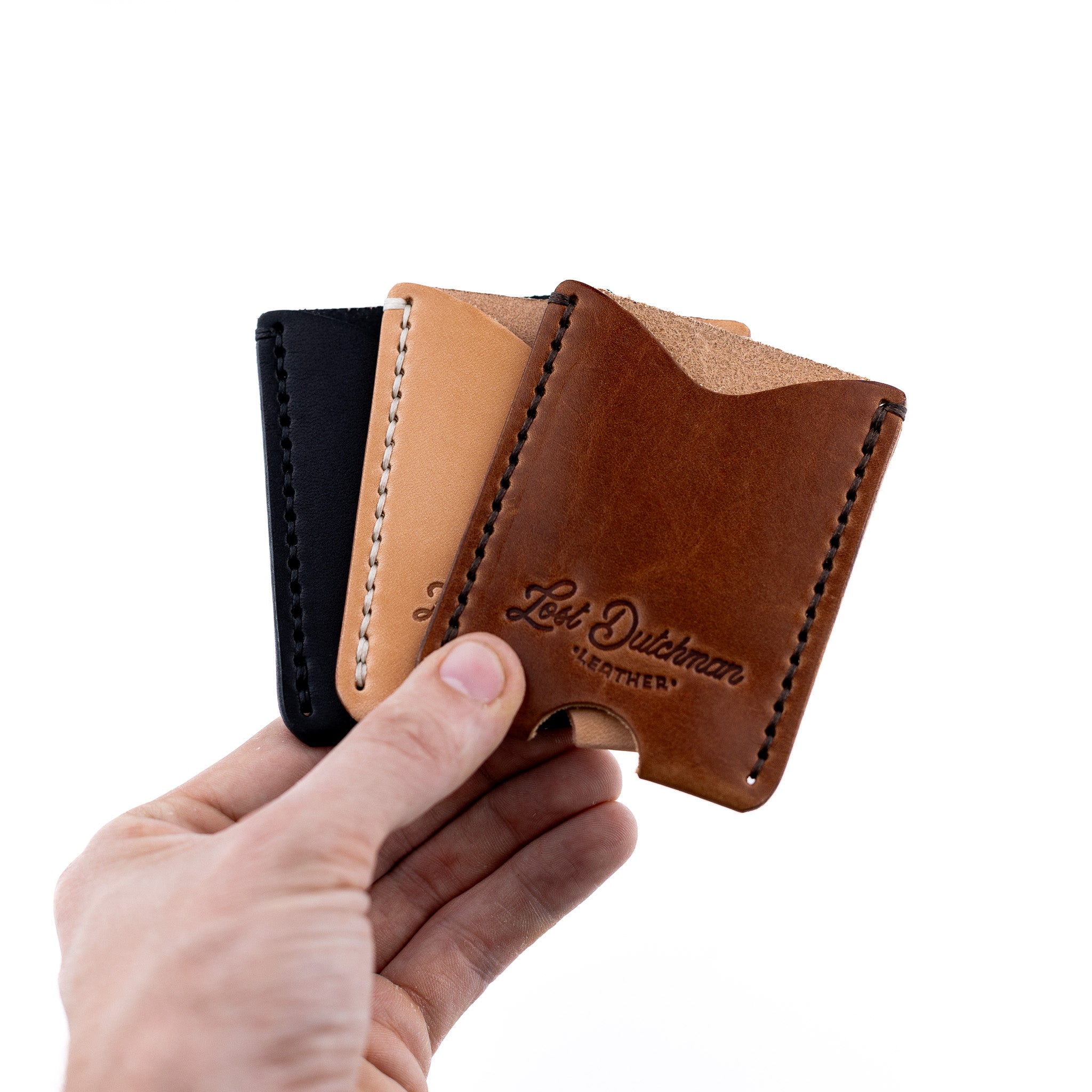
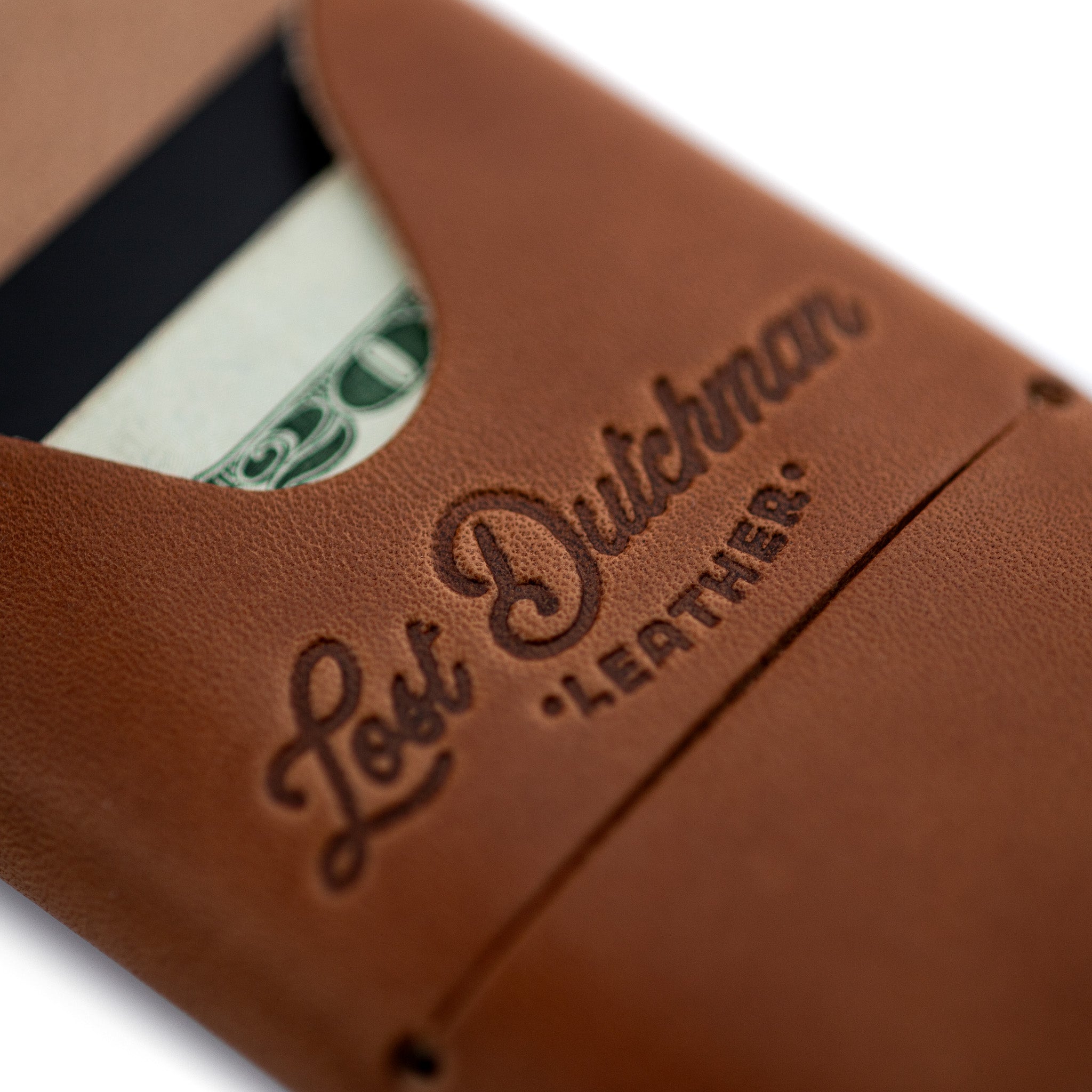
The Legend of the Lost Dutchman: How a Fabled Treasure Inspired Our Name
Every brand carries a story. Some names emerge from corporate boardrooms, tested through focus groups and market research. Others arise organically, reflecting founder values, geographic roots, or cultural influences. Lost Dutchman Leather draws its name from Arizona's most enduring mystery - a legend of hidden gold, persistence, and value waiting for those discerning enough to recognize it.
The legend of the Lost Dutchman Mine has captivated treasure hunters for over a century. Somewhere in the rugged Superstition Mountains east of Phoenix, a fabulously rich gold deposit supposedly lies hidden, discovered by a German immigrant but never relocated after his death. Countless seekers have searched, some never returning from the unforgiving terrain. Yet the legend persists, embodying themes that resonated deeply when naming our leather goods company.
Our brand name origin story connects frontier history with modern craftsmanship values. The parallels between Jacob Waltz's supposed discovery and our approach to leather goods run deeper than geographic proximity. Both involve recognizing genuine value, employing traditional methods, and creating lasting worth - whether measured in gold or quality products serving generations.
The Lost Dutchman Mine Legend
Jacob Waltz: The Man Behind the Mystery
Jacob Waltz arrived in the Arizona Territory during the 1860s, part of the wave of prospectors seeking fortune in Western mining districts. Born in Germany around 1810, Waltz immigrated to America and eventually made his way to the frontier, where gold and silver discoveries promised wealth for those willing to endure harsh conditions and uncertain prospects.
Historical records confirm Waltz's existence and mining activities in the Bradshaw Mountains and later near the Superstition Mountains. What remains disputed is whether he discovered the extraordinarily rich gold deposit described in legend. According to various accounts, Waltz worked a secret claim in the Superstitions, periodically bringing high-grade ore to Phoenix for sale. The ore's exceptional quality sparked curiosity, yet Waltz never revealed his mine's location.
The fortune he supposedly accumulated appeared modest by some accounts - enough to live comfortably but not extravagantly. This discrepancy fuels debate about whether the legendary wealth existed or whether Waltz simply worked a moderately productive claim he kept secret to avoid claim jumpers. Either way, the mystery surrounding his mining activities created the foundation for the enduring treasure legend.
The Superstition Mountains Setting
The Superstition Mountains rise dramatically from the Sonoran Desert east of Phoenix, their jagged volcanic peaks creating a landscape simultaneously beautiful and forbidding. Summer temperatures exceed 110°F, winter nights drop below freezing, and the terrain's ruggedness challenges even experienced hikers. Water sources remain scarce, and navigation through the labyrinth of canyons requires expert skill.
Apache peoples considered the Superstitions sacred, and conflicts with encroaching miners and settlers added danger to the region's natural hazards. Stories of Apache attacks on prospectors became intertwined with the Lost Dutchman legend, with some versions claiming the Apache knew the mine's location and killed those who discovered it to protect their sacred lands.
This dramatic geography fuels the mystery's endurance. The Superstitions' maze-like terrain makes concealing a mine plausible, while their dangers explain why many searchers failed to return. The mountains themselves became characters in the legend - simultaneously hiding treasure and punishing those who sought it with insufficient respect or preparation.
The Deathbed Confession
Jacob Waltz spent his final years living in Phoenix, reportedly sustained by occasional gold sales that maintained speculation about his secret mine. When he fell ill in 1891, Julia Thomas - a woman who operated a confectionery and ice cream parlor - cared for him. According to legend, Waltz rewarded her kindness by revealing clues to his mine's location on his deathbed.
The clues Waltz allegedly provided have spawned countless interpretations. References to distinctive rock formations, weaver's needle landmarks, and specific directional markers seemed concrete enough to follow, yet vague enough to permit multiple locations. Julia Thomas organized expeditions based on these clues but never successfully located the mine, despite years of searching and considerable expense.
Maps, landmarks, and contradictions multiply across different versions of Waltz's directions. Some accounts include detailed topographic descriptions; others mention hidden caches or unusual geological markers. These inconsistencies either reflect the legend's embellishment over time or suggest Waltz intentionally obscured the location even while revealing partial information. The ambiguity ensures the search continues, with each generation interpreting clues differently.
Treasure Hunters and Modern Fascination
Generations of Seekers
Notable expeditions throughout the 20th century brought professional prospectors, amateur treasure hunters, and curiosity seekers into the Superstitions. The Peralta family claims added another layer to the legend - a Mexican family allegedly worked the mine before Waltz, creating competing theories about original discovery and rightful claims. Some expeditions brought sophisticated mining equipment; others relied on old maps and determination.
Disappearances and tragedies punctuate the search history. Several treasure hunters vanished in the mountains, their remains sometimes discovered years later. Others died from dehydration, falls, or exposure. These incidents heightened the legend's mystique while demonstrating the very real dangers of Superstition Mountain wilderness. Yet each tragedy seemed to intensify interest rather than discourage seekers.
Why the search continues today reflects the legend's enduring appeal. Modern treasure hunters employ GPS technology, metal detectors, and historical research methods unavailable to previous generations. Some approach the search as serious prospecting ventures; others view it as recreational treasure hunting or historical investigation. The Superstition Wilderness designation now limits mining activities, yet the legend's hold on imagination remains undiminished.
Cultural Impact in Arizona
Local folklore and tourism in Apache Junction and surrounding communities embrace the Lost Dutchman connection. Museums dedicated to the legend display artifacts, maps, and historical information. Annual events celebrate frontier history with the Lost Dutchman Days festival. Local businesses incorporate the legend into names and marketing, creating an economic ecosystem around the story.
Apache Junction's identity intertwines significantly with the treasure legend. The small city serving as gateway to the Superstitions positions itself as "home of the legendary Lost Dutchman Gold Mine." This identity attracts tourists, retirees drawn to Western heritage, and business owners like us who find meaning in the legend's themes beyond literal treasure hunting.
The legend appears in popular culture through books, films, television shows, and documentaries exploring the mystery. Each retelling introduces new generations to the story while offering fresh interpretations. This cultural persistence demonstrates how legends evolve from historical incidents into enduring narratives reflecting deeper themes - persistence, hidden value, and the human drive to seek something extraordinary.
Why This Legend Resonated With Us
Apache Junction Roots
Building Lost Dutchman Leather in Apache Junction means living where the legend lives. The Superstition Mountains visible from our community create daily connection to the story. Customers and community members frequently share their own experiences hiking the mountains, encountering legend enthusiasts, or growing up hearing stories about Jacob Waltz and his hidden gold.
This location significance shaped our brand name origin story naturally. Rather than importing identity from elsewhere, we drew from local heritage and landscape defining our home. The legend represents our region authentically, making it an obvious choice for a business wanting to reflect Arizona character and values.
Community connection to the story runs deep. Many Apache Junction residents and businesses reference the legend, creating shared cultural touchstone. Choosing Lost Dutchman Leather as our name immediately communicates local identity while tapping into recognition extending nationally and internationally. The legend provides instant context and conversation starter with customers from anywhere.
Themes of Quality and Value
Hidden treasure serves as perfect metaphor for quality craftsmanship in modern markets saturated with mass-produced goods. Just as Waltz's gold supposedly lay concealed beneath the Superstitions' rugged surface, genuine quality often hides beneath markets dominated by cheap alternatives. Finding true value requires discernment - recognizing superior materials and construction despite prevalence of superficially similar but fundamentally inferior options.
True value beneath the surface describes full-grain vegetable-tanned leather precisely. Untrained observers might not distinguish quality leather from corrected grain or bonded alternatives through casual inspection. Yet beneath surface similarities lie fundamental differences in durability, aging characteristics, and longevity. Like gold hidden in mountains, quality reveals itself to those who know what they're seeking.
Discernment and recognition connect Waltz's supposed ability to identify rich ore with customer ability to recognize superior leather goods despite market noise. Not everyone can differentiate quality immediately, just as not everyone could identify gold-bearing rock. But those who develop expertise - whether through experience, education, or guidance - discover value invisible to others.
Persistence and Craftsmanship
Waltz's dedication to his claim, whether legendary or historical, demonstrates persistence necessary for excellence. According to accounts, he worked his mine carefully over years, extracting high-grade ore without depleting deposits quickly. This patient, methodical approach mirrors traditional leatherworking values - rushing produces inferior results, while dedication to process yields superior outcomes.
Attention to detail in pursuit characterizes both successful prospecting and quality leatherwork. Miners must identify promising formations, assess ore quality, and extract materials without contamination. Leather craftsmen must select premium hides, employ proper construction techniques, and finish products with exacting standards. Both pursuits reward meticulousness and punish carelessness.
Parallels to leather craftsmanship extend throughout the legend. Mining represents hard work extracting value from raw materials - precisely what we do transforming hides into handcrafted wallets. Traditional methods prove essential in both contexts - shortcuts compromise results. And genuine expertise developed over years distinguishes competent practitioners from amateurs attempting skilled work without proper training.
From Legend to Brand Identity
Choosing the Name
Why "Lost Dutchman" felt right emerged from multiple considerations. The legend's themes aligned perfectly with our values - quality, persistence, hidden value, and Arizona heritage. The name carried immediate recognition and interest, sparking curiosity and conversation. And the geographic connection to our Apache Junction location provided authentic grounding rather than arbitrary name selection.
Alternative names considered included direct craft terminology, material references, or founder names. Each option had merit, yet none captured the complete identity we wanted to project. Generic craft names lacked distinctiveness. Material-focused names emphasized product over values. Personal names didn't communicate the broader mission and Arizona connection we sought.
The decision-making process crystallized around what made us different. Many leather goods companies exist. What distinguished ours? Location in Arizona's legendary mining country. Commitment to traditional methods and quality in disposable culture. Belief that genuine value requires seeking and discernment. The Lost Dutchman legend encapsulated these themes while providing memorable, distinctive identity with built-in storytelling potential.
What the Name Represents
Quality worth seeking describes both legendary gold and quality leather goods in markets dominated by convenience and low prices. We don't offer the cheapest wallets or fastest delivery. We provide quality requiring customers to seek us out, understand our approach, and commit to investment in lasting products. Like Waltz's gold, our products reward those willing to look beyond surface convenience.
Traditional methods and authenticity connect historical mining techniques with contemporary leatherworking practices. Modern mining uses industrial equipment and chemical processing. Historical prospectors worked with hand tools, experience, and traditional knowledge. Similarly, mass leather production employs shortcuts and synthetic materials, while we use vegetable tanning, hand-stitching, and time-tested construction methods maintaining authenticity.
Arizona heritage and pride infuse the name with regional identity. We represent our state through products, materials sourcing where possible, and business practices. The Lost Dutchman legend belongs uniquely to Arizona - specifically to the Superstition Mountain region we call home. Carrying this name forward adds our chapter to ongoing story while honoring the heritage informing our work.
Customer Reactions
Recognition and curiosity frequently greet our brand name when customers first encounter it. Arizona residents immediately understand the reference and share their connections to the legend. Visitors to Arizona recall hearing about the Lost Dutchman during travels. People from elsewhere ask about the name's origin, creating natural opportunities to share our brand name origin story and values it represents.
Stories from Arizona locals add richness to customer interactions. People share their hiking experiences in the Superstitions, family members who searched for the mine, or childhood memories of learning the legend. These conversations build community connections and demonstrate how deeply the story resonates locally, validating our name choice's authenticity.
National interest in the legend extends beyond Arizona, with many Americans familiar with Lost Dutchman references from popular culture even without detailed knowledge. This broad recognition provides marketing advantage - our name carries inherent interest and memorability compared to generic craft business names. The legend's mystique transfers to our brand, creating positive associations with quality, authenticity, and dedication.
The Treasure We Actually Found
Craftsmanship as Gold
Valuable skills and techniques represent our actual treasure discovery. Traditional leatherworking knowledge - saddle stitching, edge finishing, pattern design, material selection - constitutes specialized expertise developed over years. This knowledge proves increasingly rare as industrial production displaces hand craftsmanship, making traditional skills precious as they become scarce.
Traditional methods in modern times deliver value exceeding mere product functionality. Hand-stitched construction outlasts machine stitching. Vegetable-tanned leather improves with age unlike chrome-tanned alternatives. Quality hardware serves decades while cheap components fail within years. These traditional approaches create genuine value that mass production cannot replicate, representing treasure worth far more than production cost savings.
The "mine" of knowledge we tap includes historical techniques, material science, design principles, and customer understanding accumulated through experience. Like miners working a productive claim, we extract value from this knowledge base continuously, applying it to each product we create. This intellectual capital represents our richest resource - the real treasure enabling excellent work.
Quality Materials as Hidden Riches
Full-grain vegetable-tanned leather represents literal hidden riches - exceptional material often overlooked in markets dominated by cheaper alternatives. Most consumers never encounter true full-grain leather, instead experiencing corrected grain or bonded leather marketed deceptively. Discovering genuine quality leather's characteristics proves revelatory for those accustomed to inferior substitutes masquerading as "leather."
Solid brass hardware qualifies as hidden treasure in an industry where zinc alloy components represent standard. The weight, durability, corrosion resistance, and aging characteristics of brass distinguish it fundamentally from cheap alternatives. Yet many consumers don't recognize these differences until experiencing brass hardware's superior performance, making quality components hidden value awaiting discovery.
Time-tested construction methods constitute riches overlooked in efficiency-obsessed manufacturing. Saddle stitching takes longer than machine sewing but creates stronger, more repairable seams. Hand-burnished edges require more labor than painted edges but deliver superior durability and aesthetics. These traditional techniques represent valuable knowledge hidden from mass markets prioritizing speed and cost over quality.
Living the Legend Through Our Work
Arizona Pride
Supporting local economy through domestic production keeps money circulating within communities rather than extracting wealth to distant manufacturing centers. We source materials domestically when possible, employ local craftspeople, and contribute to regional economic vitality. This economic participation represents practical expression of Arizona pride beyond mere symbolic gestures.
Representing the state through our work extends Arizona's reputation beyond tourism and real estate. We showcase what can be created here - products competing nationally on quality rather than cost. This representation demonstrates that Arizona supports not just resource extraction or service industries but also skilled manufacturing and traditional crafts maintaining economic diversity.
Contributing to regional identity adds our business to the tapestry of enterprises building community character. Apache Junction's identity draws significantly from frontier heritage and the Lost Dutchman legend. Our company reinforces this identity while demonstrating its ongoing relevance, connecting historical legend to contemporary economic activity.
Authenticity Over Hype
Substance over marketing distinguishes our approach from treasure seekers pursuing legends without adequate preparation or understanding. We deliver actual quality rather than promising undefined "treasure." Our products undergo testing through daily use over years, proving durability through performance rather than marketing claims. This substance-focused approach honors the legend's spirit better than hype-driven alternatives.
Proven quality versus promised treasures separates our demonstrated track record from the speculation characterizing treasure hunting. Customers receive products with verified longevity, backed by lifetime guarantees proving our confidence. Unlike seekers promising eventual mine discovery, we deliver treasure immediately - quality goods serving customers reliably from first use through decades of service.
Delivering on the legend means fulfilling the promise implied by our name. We don't exploit the Lost Dutchman connection superficially through marketing alone. Our products embody the values the legend represents - hidden quality, traditional methods, persistence, and rewards for discerning customers. This authentic fulfillment transforms name from clever marketing into meaningful brand identity reflecting actual business practices.
The Legend Continues
Our Journey
Building the business involved challenges paralleling treasure hunters' obstacles. Initial capital requirements, skill development, supplier relationships, customer acquisition, and market establishment all presented difficulties requiring persistence and problem-solving. Like prospectors working claims, we faced setbacks, false starts, and moments questioning whether success was possible.
Challenges overcome include establishing supply chains, building reputation, differentiating from mass-market competitors, and educating customers about quality distinctions. Each obstacle required creative solutions and unwavering commitment to values. These difficulties built character and capability while testing dedication - the same crucible through which legendary prospectors passed.
Growth and evolution demonstrate how legends develop. Lost Dutchman Leather started small but expanded through proven quality and customer satisfaction. We refined techniques, improved processes, and developed deeper expertise while maintaining core values. This evolutionary growth mirrors how the Lost Dutchman legend itself evolved - starting from historical incident but expanding into enduring story capturing imagination across generations.
Customer Stories as New Chapters
Products becoming heirlooms extend our brand name origin story into customer lives. When leather belts pass from parents to children, or wallets serve customers for decades before being gifted to family members, these products become personal treasures carrying stories and memories. Each instance adds a chapter to the continuing legend of quality goods serving multiple generations.
Customer relationships built through quality and service create community around shared values. Repeat customers, referrals, and loyal advocates demonstrate that delivering genuine quality creates lasting connections transcending simple transactions. These relationships represent treasure more valuable than one-time sales - ongoing partnerships with people appreciating our work and values.
Adding to the legacy means contributing our chapter to the Lost Dutchman story that began over a century ago. We don't claim to have found Jacob Waltz's literal gold mine. Instead, we discovered something more accessible and reproducible - the treasure of quality craftsmanship, satisfied customers, and business built on authentic values. This legacy continues growing as more customers discover our work.
Conclusion
The legend of the Lost Dutchman Mine inspired more than our business name - it shaped our values and approach to leather goods. Themes of hidden quality, traditional methods, persistence, and value awaiting discovery resonate throughout our work. Our brand name origin story connects frontier history to modern craftsmanship while honoring Arizona heritage and Apache Junction community.
Jacob Waltz may or may not have found extraordinary gold. The literal treasure remains undiscovered despite generations of searching. But the legend's enduring power demonstrates that some treasures transcend physical gold - stories carrying meaning, values guiding action, and legacy inspiring future generations. These intangible treasures prove far more valuable than any ore.
Lost Dutchman Leather invites you to discover the treasure we actually found - exceptional craftsmanship creating products serving decades while maintaining Arizona pride and traditional values. Unlike the elusive gold mine, our treasure proves accessible to anyone valuing quality, authenticity, and lasting worth. Some treasures are meant to be found and shared.
Ready to discover quality worth seeking? Explore leather goods crafted with the persistence and dedication the legend represents. Have questions about our products, story, or approach to craftsmanship? Contact us - we're always happy to share both the legend and the real treasure behind our name.