Leather and Sustainability Myths Debunked: Truth vs. Fiction
Leather provokes passionate debates in sustainability discussions. Some declare all leather environmentally destructive, citing livestock impacts and chemical processing. Others position leather as naturally superior to any alternative. This polarization obscures nuanced reality - neither extreme tells the complete story, and leather sustainability myths perpetuate on both sides, complicating informed consumer decision-making.
Understanding genuine environmental impact requires moving beyond simplified narratives to examine evidence. Production methods, material longevity, lifecycle analysis, and end-of-life considerations all affect sustainability outcomes more than material choice alone. The question "is vegan leather better for environment?" demands far more complex answers than marketing messages suggest, with context determining actual environmental advantages.
Debunking common misconceptions enables more informed purchasing aligned with genuine sustainability values. Quality matters enormously - responsibly produced leather serving 30 years dramatically outperforms poorly made synthetic alternatives replaced every two years. Examining seven persistent myths reveals evidence-based truth about leather, alternatives, and practical environmental decision-making.
Myth #1: All Leather Has the Same Environmental Impact
The Tanning Method Matters Enormously
Perhaps the most significant leather sustainability myth involves treating all leather identically regardless of processing methods. Tanning dramatically affects environmental profiles - vegetable tanning using natural plant-derived tannins creates biodegradable waste treatable through conventional methods. Chrome tanning relies on chromium salts requiring specialized treatment preventing toxic contamination.
Environmental differences between these methods prove substantial. Vegetable tanning produces wastewater containing organic compounds that decompose naturally. Chrome tanning generates heavy metal waste persisting in ecosystems if improperly managed. Many developing regions lack adequate wastewater treatment infrastructure, allowing chromium contamination of water supplies - an environmental disaster absent from responsibly managed vegetable tanning operations.
Quality and longevity considerations compound tanning method impacts. Vegetable-tanned leather wallets develop protective patina strengthening material over time. Chrome-tanned leather lacks these aging advantages. When products last 2-3x longer through superior tanning, the per-year environmental impact drops proportionally - making tanning method selection critical for genuine sustainability.
Production Scale and Practices Vary
Small-batch versus mass production creates vastly different environmental outcomes even using identical materials. Artisan operations producing limited quantities generate minimal waste, use precise material amounts, and maintain quality control impossible in mass manufacturing. Factory production often overproduces, creating excess inventory eventually discarded - waste completely avoided in made-to-order approaches.
Domestic versus international manufacturing affects sustainability through transportation emissions, regulatory oversight, and labor practices. American leather goods travel hundreds of miles to customers rather than thousands. Domestic facilities face strict environmental regulations regarding waste treatment and chemical handling. These factors favor local production significantly when evaluating total environmental footprint.
Certification and oversight importance cannot be overstated. Leather Working Group certification provides third-party verification of environmental practices, auditing water usage, chemical management, waste treatment, and traceability. Uncertified facilities may claim environmental responsibility without verification - an increasingly common greenwashing tactic that leather sustainability myths often reinforce through vague terminology.
Myth #2: Vegan Leather Is Always Better for the Environment
Understanding "Vegan Leather" Materials
The term "vegan leather" obscures actual material composition behind appealing marketing language. Most products marketed as vegan leather consist of polyurethane (PU) or polyvinyl chloride (PVC) - petroleum-based plastics bonded to fabric backing. These materials share nothing with natural leather except superficial appearance, yet terminology implies environmental advantages often unsupported by evidence.
Polyurethane and PVC composition creates multiple environmental concerns. Production requires petroleum extraction, energy-intensive chemical processing, and generates toxic byproducts. PVC manufacturing releases dioxins - among the most dangerous compounds created industrially. While PU proves less problematic than PVC, both materials originate from fossil fuels and require substantial processing energy.
Marketing terminology versus reality reveals deliberate misdirection. "Vegan leather" sounds environmentally conscious, leveraging plant-based movement associations. Yet petroleum-based plastics represent anything but plant-derived materials. This linguistic sleight-of-hand answers the question "is vegan leather better for environment" with marketing rather than evidence - obscuring the fact that conventional vegan leather often proves worse environmentally than quality natural alternatives.
Lifecycle Environmental Comparison
Manufacturing emissions and energy consumption favor neither material universally - context determines outcomes. Natural leather processing requires substantial water and energy, particularly for chrome tanning. Synthetic production consumes petroleum and generates chemical waste. Comprehensive lifecycle analysis must consider raw material extraction, processing, transportation, use phase, and disposal - oversimplified comparisons mislead consumers.
Microplastic pollution concerns distinguish synthetic materials environmentally. Polyurethane "leather" sheds microplastic particles throughout use and especially during decomposition. These particles persist in ecosystems indefinitely, contaminating water supplies and entering food chains. Natural leather avoids this pollution pathway entirely - a significant environmental advantage rarely mentioned when discussing leather sustainability myths.
End-of-life biodegradability separates natural from synthetic materials fundamentally. Vegetable-tanned leather decomposes naturally, returning nutrients to soil ecosystems within years. Synthetic alternatives persist for decades or centuries, potentially leaching chemical additives during gradual breakdown. This disposal phase often receives insufficient attention in sustainability discussions, yet proves critical for total environmental assessment.
Longevity as the Critical Variable
Durability differences between materials dramatically affect environmental calculations. Quality full-grain leather serves 20-30 years routinely with proper care. Synthetic alternatives typically last 2-5 years before surface cracking, delamination, or material failure necessitates replacement. This 5-10x longevity advantage means leather's manufacturing impact distributes across far longer service life.
Replacement cycles multiply synthetic materials' environmental burden proportionally. A person purchasing five synthetic wallets over 25 years generates five manufacturing events, five packaging cycles, and five transportation trips. One leather wallet serving the entire period creates one-fifth the manufacturing impact - making longevity the single most critical sustainability factor for everyday carry items.
Cost per year of service reveals both economic and environmental wisdom of durability. A $150 leather bifold wallet lasting 25 years costs $6 annually. Five $40 synthetic wallets over the same period total $200, or $8 annually - while generating proportionally greater environmental impact through repeated manufacturing. Longevity advantages overwhelm material-based sustainability arguments when products achieve exceptional durability.
Myth #3: Leather Production Drives Deforestation
The Byproduct Reality
One of the most persistent leather sustainability myths claims leather production drives deforestation and livestock agriculture expansion. This narrative misrepresents fundamental economics - hides represent byproducts from animals raised primarily for meat. Leather demand doesn't determine livestock populations; food demand does. Eliminating leather production wouldn't reduce livestock numbers but would instead waste valuable byproducts.
Utilization versus waste considerations reveal leather's actual role. Each cow produces one hide regardless of whether it becomes leather or landfill waste. Converting hides into durable products transforms waste streams into valuable materials serving decades. This utilization reduces net environmental impact compared to discarding hides while manufacturing synthetic alternatives from petroleum.
Livestock agriculture versus leather demand clarifies causal relationships. Global meat consumption drives livestock production, with leather as secondary consideration adding marginal value to operations. Tanneries purchase hides from slaughterhouses serving food industries - not the reverse. Understanding this economic reality debunks claims that choosing synthetic alternatives over leather meaningfully impacts livestock populations or deforestation.
Actual Deforestation Drivers
Agricultural expansion for crops and grazing does drive deforestation substantially, but attributing this primarily to leather oversimplifies complex dynamics. Cattle ranching contributes significantly to Amazon deforestation, yet beef production motivates this expansion - leather represents minor economic consideration. Soy cultivation for animal feed and human consumption also drives massive deforestation with minimal connection to leather markets.
Timber industry impact on forests dwarfs leather industry influence. Logging for construction materials, paper products, and fuel accounts for enormous deforestation globally. Some leather tanning uses tree bark for vegetable tanning, but this represents small-scale harvesting or timber byproduct utilization rather than forest clearing. Conflating leather with primary deforestation drivers distorts environmental priority assessment.
Leather's marginal role becomes clear through economic analysis. Hide sales represent approximately 5-10% of livestock value - significant enough to utilize but insufficient to motivate production decisions. Beef, dairy, and other meat products drive livestock agriculture, with leather following as consequence rather than cause. Addressing deforestation requires confronting food production and timber harvesting rather than focusing disproportionately on leather.
Myth #4: All Synthetic Alternatives Are Eco-Friendly
Plant-Based Leather Alternatives
Emerging materials marketed as sustainable leather alternatives include mushroom leather (mycelium), pineapple leather (Piñatex), cactus leather (Desserto), and others. These innovations generate excitement as potentially sustainable solutions, yet examining actual composition reveals more complex reality. Most plant-based alternatives require synthetic binding agents, coatings, or backing materials - they're not purely plant-based despite marketing emphasis.
Mushroom, pineapple, and cactus leather rely on agricultural byproducts combined with polyurethane or other synthetic binders creating functional material. The plant component provides structure, but plastics provide durability and water resistance. While these materials use less petroleum than conventional synthetic leather, they're not petroleum-free. Marketing often highlights plant origins while downplaying synthetic components - continuing patterns of misleading terminology.
Actual composition and additives require scrutiny beyond surface claims. Some plant-based alternatives contain 60-80% synthetic materials with only 20-40% plant-derived content. Performance and durability questions remain largely unanswered - most alternatives lack sufficient market history demonstrating multi-decade service life. Without proven longevity, environmental advantages over durable natural leather remain speculative regardless of material origins.
Greenwashing in Material Marketing
Misleading terminology pervades alternative material marketing. Terms like "vegan leather," "eco-leather," "sustainable leather," and "plant-based leather" sound environmentally responsible without specifying actual composition or verified environmental benefits. This language exploits consumer desire for sustainable options while obscuring that many alternatives prove environmentally problematic through petroleum content, short lifespan, or misleading lifecycle claims.
Partial truth in advertising characterizes many sustainability claims. A material might truthfully claim "made from pineapple leaves" while omitting that synthetic binders comprise 70% of finished product. Or manufacturers highlight reduced water usage compared to leather tanning while ignoring petroleum extraction and processing energy for synthetic components. These partial truths mislead consumers seeking genuine environmental improvements.
Questions to ask about "sustainable" alternatives include: What's the complete material composition including percentages? What synthetic components are included? How long does the material typically last in daily use? How does it biodegrade or decompose? What manufacturing process creates the material? What certifications verify environmental claims? Brands genuinely committed to sustainability answer these questions transparently rather than deflecting with vague marketing language.
Myth #5: New Leather Is More Sustainable Than Synthetic
When the Myth Contains Truth
Quality natural leather advantages become apparent through evidence-based assessment. Full-grain vegetable-tanned leather offers biodegradability, exceptional longevity, natural materials requiring minimal synthetic processing, and performance improvements over time through patina development. These characteristics create genuine sustainability benefits when compared to petroleum-based alternatives with short service lives.
Proper tanning and processing importance affects whether leather delivers environmental advantages. Responsibly produced leather using vegetable tanning, adequate wastewater treatment, fair labor practices, and quality construction standards outperforms synthetic alternatives across most metrics. However, poorly produced leather using chrome tanning, inadequate environmental controls, and exploitation labor potentially proves worse than some synthetic options.
Longevity benefits distinguish quality leather fundamentally. Products serving 20-30 years amortize manufacturing impact across extended periods, reducing per-year environmental cost dramatically. This advantage proves most significant for items like leather belts and wallets receiving daily use over decades - contexts where durability overwhelms material-based sustainability considerations.
When Synthetic Makes Sense
Specific applications and contexts exist where synthetic materials provide appropriate solutions. Extremely wet environments where constant moisture exposure would damage leather might warrant synthetic alternatives. Strict vegan ethical commitments create legitimate reasons choosing plant-based materials despite environmental trade-offs. Medical applications requiring absolute sterility favor synthetic materials over natural alternatives.
Disposable product considerations occasionally favor synthetic materials. For extremely low-cost items expected to fail within months regardless of material, expensive natural leather proves economically unjustifiable. However, this scenario questions whether producing disposable goods serves sustainability at all - regardless of material choice, products designed for rapid obsolescence inherently conflict with environmental responsibility.
Honest evaluation without dogma requires acknowledging that no material proves universally superior across all applications. Context matters enormously - intended use, expected lifespan, care requirements, budget constraints, and personal ethics all influence optimal material selection. Rejecting oversimplified "leather good, synthetic bad" or inverse narratives enables more nuanced decision-making aligned with genuine sustainability principles.
Myth #6: Leather Can't Be Part of Sustainable Living
The Longevity Factor
Quality leather goods serving decades represent practical sustainability regardless of theoretical material debates. A wallet used for 30 years avoids 15-20 replacement cycles compared to alternatives lasting 18 months. This waste prevention, manufacturing impact avoidance, and resource conservation delivers measurable environmental benefit impossible to dismiss through material-based arguments alone.
Repair culture and maintenance enable leather goods to achieve exceptional lifespans. Unlike synthetic materials that degrade irreparably, quality leather accepts conditioning, restitching, and restoration extending service life indefinitely. This repairability proves environmentally significant - products that can be maintained and repaired don't require replacement, eliminating all associated environmental costs of new manufacturing.
Generational products challenge disposable culture fundamentally. Leather goods passing from parents to children represent ultimate sustainability - one manufacturing event serving 50+ years across generations. This longevity proves unachievable with materials engineered for obsolescence or lacking durability for multi-decade service. The environmental benefits of generational use outweigh almost any material-based sustainability advantage.
Natural Material Advantages
Biodegradability at end-of-life distinguishes natural leather from synthetic alternatives permanently. Vegetable-tanned leather decomposes naturally within years when discarded, returning nutrients to soil. Synthetic materials persist for decades or centuries while potentially leaching chemical additives. This fundamental difference affects total lifecycle environmental impact significantly, yet receives insufficient attention in many sustainability discussions.
Renewable resource characteristics position leather advantageously when compared to petroleum-based alternatives. Livestock produce hides continuously as food production byproducts - a renewable stream requiring no additional resource extraction beyond existing agricultural systems. Petroleum-based synthetics deplete finite fossil fuel reserves while contributing to extraction-related environmental damage including habitat destruction and carbon emissions.
Carbon storage in products represents often-overlooked environmental benefit. Leather goods store carbon captured through photosynthesis and incorporated into plant materials (for vegetable tanning) and animal tissues. This carbon remains sequestered throughout product life - potentially decades. While not sufficient to offset all impacts, carbon storage provides genuine environmental benefit absent from synthetic alternatives manufactured from fossil fuels.
Myth #7: All Eco-Labels Mean the Same Thing
Understanding Certifications
Leather Working Group standards represent the most rigorous leather-specific environmental certification. LWG audits evaluate water and energy usage, waste management, chemical handling, traceability systems, and continuous improvement efforts. Gold, silver, and bronze ratings indicate progressive environmental performance levels. While imperfect, LWG certification provides meaningful third-party verification beyond self-reported claims.
Bluesign and other certifications extend beyond leather-specific standards to broader textile and chemical safety. Bluesign certification evaluates entire supply chains for environmental safety, worker protection, and consumer safety. Other certifications like Oeko-Tex focus on chemical residues in finished products. Understanding what each certification actually verifies prevents misinterpreting certification scope and significance.
What each actually verifies requires careful examination. Some certifications audit comprehensive environmental practices, others focus narrowly on specific aspects like chemical safety or forest management. Consumers must understand certification scope avoiding assumptions that single certifications guarantee overall sustainability. Multiple certifications from different organizations provide stronger verification than any single certification regardless of prominence.
Certification Limitations
What certifications don't cover proves equally important as what they verify. LWG certification evaluates tannery practices but doesn't guarantee leather comes from sustainable livestock agriculture. Chemical safety certifications verify residue levels but don't assess manufacturing process sustainability. Understanding these limitations prevents overestimating certification significance while maintaining appropriate skepticism toward uncertified products.
Self-certification concerns arise when brands create proprietary "eco-labels" without third-party verification. Terms like "sustainably sourced," "environmentally responsible," or "eco-conscious" lack standardized meanings and often represent self-assessment rather than independent audit. These labels may reflect genuine efforts or serve purely marketing purposes - consumers cannot distinguish without third-party verification.
Third-party verification importance establishes credibility for environmental claims. Independent organizations conducting audits, testing products, and verifying practices provide accountability impossible with self-certification. Prioritizing third-party certified products over self-labeled alternatives rewards genuinely responsible businesses while pressuring others to meet verifiable standards rather than make unsubstantiated claims.
The Truth: Nuanced Sustainability Assessment
No Perfect Materials Exist
Trade-offs characterize every material choice - no option delivers universal environmental superiority across all metrics. Natural leather requires livestock agriculture with associated impacts but offers biodegradability and longevity. Synthetic alternatives avoid animal products but rely on petroleum and generate microplastic pollution. Plant-based alternatives use renewable resources but often require synthetic binders and lack durability verification. Honest sustainability assessment acknowledges these trade-offs rather than declaring simple winners.
Context-dependent decisions reflect genuine environmental thinking. Choosing materials based on specific applications, expected use duration, care capacity, and personal values produces better outcomes than dogmatic material preferences. A person committed to 30-year wallet ownership might choose quality leather; someone replacing wallets every few years regardless of material might minimize impact through lower-cost options requiring less manufacturing investment.
Avoiding oversimplification enables more effective environmental decision-making. Leather sustainability myths perpetuate partly because simple narratives prove more marketable than nuanced truth. Yet sustainability requires complexity - examining tanning methods, production practices, expected longevity, disposal options, and total lifecycle impacts. Consumers willing to engage this complexity make genuinely informed choices rather than following oversimplified rules disconnected from environmental reality.
Key Factors for Evaluation
Longevity and durability represent the single most critical sustainability factor for leather goods and alternatives. Products lasting 5-10x longer than competitors provide proportionally lower environmental impact per year of service. This advantage overwhelms most material-based considerations - encouraging focus on quality construction, proper maintenance, and realistic lifespan expectations rather than material composition alone.
Production transparency enables verification of environmental claims. Brands willing to discuss tanneries, disclose processing methods, share certification information, and explain supply chains demonstrate confidence in their practices. This transparency proves far more valuable than vague sustainability marketing - enabling consumers to assess genuine environmental responsibility versus greenwashing.
End-of-life considerations affect total environmental impact significantly yet receive insufficient attention in purchase decisions. Will products biodegrade naturally or persist as pollution? Can they be composted, recycled, or must they go to landfills? Do they release harmful chemicals during decomposition? These questions reveal important environmental differences between materials, particularly when comparing natural leather to synthetic alternatives.
Total lifecycle impact encompasses raw material extraction, processing, transportation, use phase, maintenance requirements, and disposal. Comprehensive assessment considering all lifecycle stages produces more accurate environmental understanding than narrow focus on single aspects like manufacturing emissions or material origins. This holistic approach reveals that longevity advantages often outweigh other factors for durable goods.
Making Informed Sustainable Choices
Questions to Ask About Leather Products
Tanning methods and certifications provide crucial environmental information. Is the leather vegetable-tanned or chrome-tanned? Does the tannery hold Leather Working Group certification? What environmental practices does the tannery employ? These questions reveal significant environmental differences between leather products that marketing rarely addresses directly.
Origin and production location affect sustainability through transportation emissions and regulatory oversight. Where is the leather tanned? Where are products manufactured? Domestic production typically offers shorter supply chains and stricter environmental standards compared to imported alternatives. This geographic transparency helps assess environmental claims and support more sustainable production.
Brand transparency and practices distinguish genuine environmental commitment from superficial marketing. Will the brand discuss supply chains openly? Do they provide facility information? Can they explain their environmental practices specifically? Transparent brands answer these questions readily, while evasive responses suggest less rigorous environmental standards than marketing implies.
Expected product lifespan determines environmental impact per year of service. How long does the brand expect products to last? Do they offer repair services? What warranty or guarantee supports longevity claims? Realistic lifespan expectations enable accurate environmental comparisons - a product honestly expected to serve 20 years compares favorably to alternatives marketed vaguely as "durable" without specific commitments.
Questions to Ask About Alternatives
Actual material composition clarifies what "vegan leather" or "plant-based leather" actually contains. What percentage is plant-derived versus synthetic? What specific materials comprise the product? Are there petroleum-based components? Complete composition disclosure enables informed assessment rather than assumptions based on marketing terminology.
Durability and replacement frequency predictions provide critical sustainability information. How long do products typically last with daily use? What's the expected replacement cycle? How does the material age? Honest durability discussions reveal whether alternatives deliver longevity advantages justifying environmental claims or whether marketing emphasizes materials while obscuring short lifespans.
Manufacturing process transparency verifies environmental responsibility claims. How is the material produced? What energy sources power manufacturing? How are waste streams handled? What chemicals are involved in processing? Brands genuinely committed to sustainability share this information; those emphasizing marketing over substance avoid specifics.
End-of-life disposal options complete environmental assessment. How does the material decompose or degrade? Can it be composted, recycled, or must it go to landfills? Does it release harmful substances during breakdown? These disposal considerations prove particularly important when comparing synthetic alternatives claiming environmental advantages to natural leather's biodegradability.
Conclusion
Leather sustainability myths obscure evidence-based environmental assessment, replacing nuanced understanding with oversimplified narratives serving marketing more than sustainability. The question "is vegan leather better for environment" demands complex, context-dependent answers examining tanning methods, production practices, longevity expectations, and total lifecycle impacts rather than simple material comparisons.
Quality matters enormously - responsibly produced natural leather serving decades dramatically outperforms poorly made alternatives replaced frequently, regardless of material composition. Lifetime guarantee commitments signal confidence in durability that most synthetic alternatives cannot match, revealing longevity as perhaps the most critical sustainability factor for leather goods.
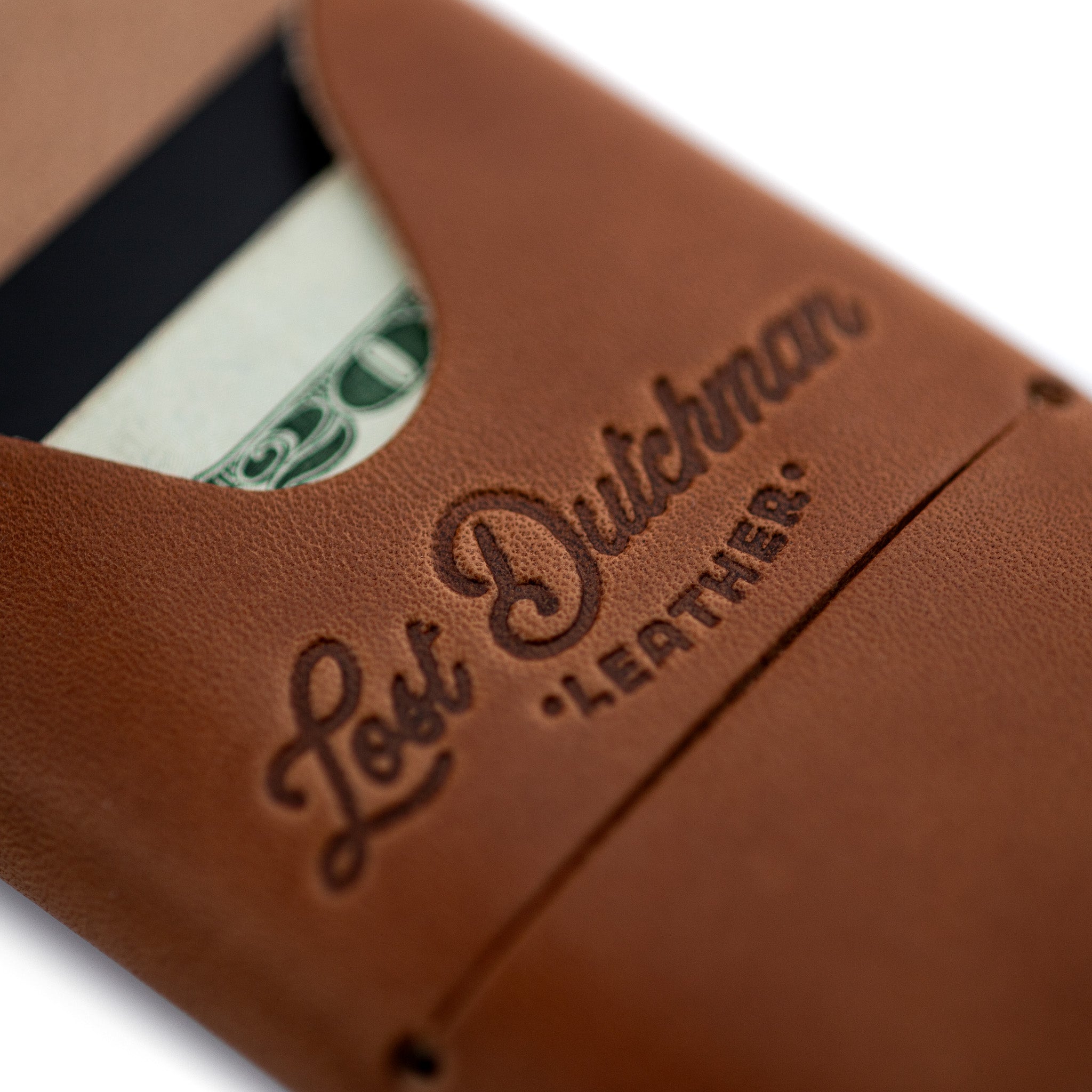
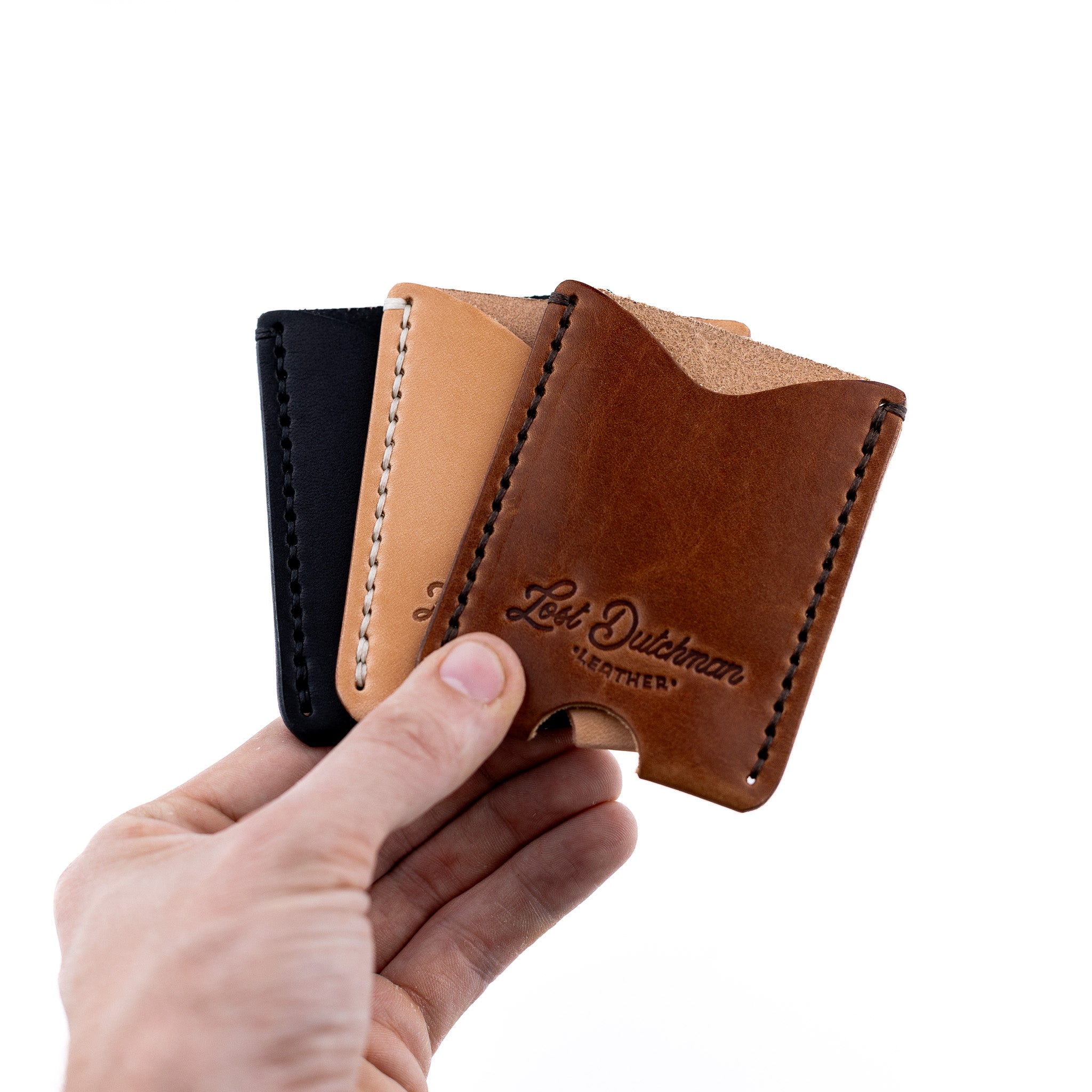
Genuine environmental progress requires moving beyond myths to evidence-based assessment prioritizing transparency, longevity, and total lifecycle impact over material dogma. Lost Dutchman Leather produces leather goods using vegetable tanning, domestic manufacturing, and construction designed for generational service - delivering measurable environmental benefits through exceptional durability and responsible practices.
Ready to move beyond sustainability myths toward evidence-based choices? Explore products built for decades of service using responsibly sourced materials and transparent production practices. Have questions about environmental impacts, material comparisons, or finding products genuinely aligned with sustainability values? Contact us - our team provides honest, evidence-based information helping you make informed decisions supporting genuine environmental responsibility.