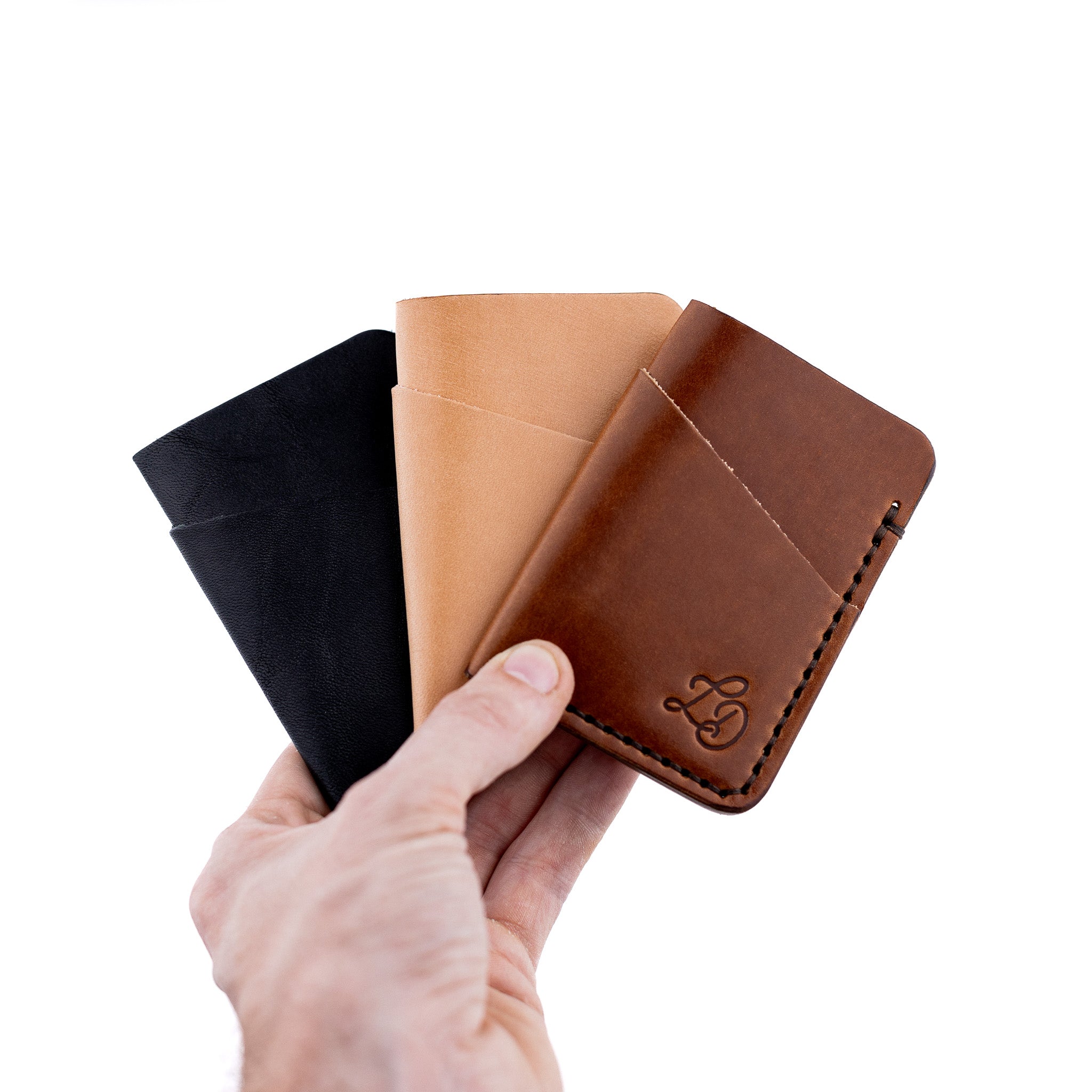

The Evolution of the Wallet: EDC Trends from Past to Present
The wallet has undergone a remarkable transformation over centuries, evolving from simple coin pouches to sophisticated everyday carry essentials. Today's EDC wallet trends reflect a cultural shift toward intentional minimalism, premium craftsmanship, and multi-functional design. Understanding this evolution reveals not only the history of how people carried currency but also broader changes in society, technology, and personal values. This comprehensive guide explores wallet development from ancient times through modern EDC gear trends 2025, helping readers appreciate the craftsmanship and innovation behind contemporary leather goods.
The Origins of the Wallet: Ancient to Medieval Times
Early Currency Storage Solutions
Long before modern wallets existed, ancient civilizations needed practical ways to carry coins and valuable items. Archaeological evidence shows that Greeks and Romans used small leather pouches tied to belts, representing the earliest forms of personal currency storage. These primitive wallets prioritized function over aesthetics, with simple drawstring closures and minimal decoration.
Materials varied based on regional availability. Leather emerged as the preferred choice due to its durability, flexibility, and water-resistant properties when properly treated. Ancient craftsmen discovered that vegetable tanning processes created leather goods that could withstand years of daily use, establishing techniques that modern artisans still employ.
Medieval Money Bags and Their Purpose
During medieval times, the rise of merchants and trade networks created demand for more sophisticated currency carriers. Money bags became larger and more elaborate, often featuring metal clasps and reinforced construction for security. Wealthy individuals commissioned custom leather pouches adorned with family crests or decorative tooling.
These early wallets served primarily as status symbols and practical tools rather than the streamlined essentials we recognize today. The concept of organizing multiple forms of payment within a single compact accessory had not yet emerged, as paper currency remained centuries away from widespread adoption.
The Birth of the Modern Wallet: 1600s to 1900s
Paper Currency Changes Everything
The introduction of paper money in the 1600s revolutionized wallet design fundamentally. Flat, rectangular banknotes required different storage solutions than bulky coins. Craftsmen responded by creating the first flat leather wallets designed to hold folded currency without excessive bulk. The bifold wallets format emerged during this period, featuring a simple fold-over design with interior compartments.
These early paper currency wallets established design principles that persist in modern EDC wallet trends. The emphasis shifted toward slim profiles that could fit comfortably in pockets while protecting valuable contents from wear and weather. Full-grain leather became the gold standard material, prized for its strength and ability to develop attractive patina over time.
Industrial Revolution and Mass Production
The Industrial Revolution brought dramatic changes to wallet manufacturing. Factory production made wallets affordable for middle-class consumers, though handcrafted versions remained popular among those who valued superior quality. This era introduced standardized sizing, multiple interior pockets, and consistent construction methods.
However, mass production often sacrificed quality for quantity. Factory-made wallets typically used lower-grade leather and simplified construction techniques compared to handcrafted alternatives. This divide between mass-produced and artisan-made goods continues to define the market, with discerning consumers increasingly seeking handcrafted wallets that offer superior longevity.
The Golden Age of Wallet Design: 1950s to 1990s
Post-War American Wallet Culture
The mid-twentieth century established what many consider the classic wallet format. Bifold designs dominated American culture, becoming ubiquitous accessories for men across all social classes. Credit cards, introduced in the 1950s and widely adopted by the 1970s, fundamentally altered wallet design requirements.
Manufacturers added multiple card slots to accommodate the growing number of credit cards, identification cards, and membership cards people carried. Wallets grew thicker and more complex, featuring compartments for coins, receipts, and even checkbooks. This era prioritized organization and capacity over the minimalist principles that would later define EDC wallet trends.
Materials and Craftsmanship Evolution
Quality standards improved significantly during this period. Full-grain leather became widely recognized as the premium material choice, though cheaper alternatives like bonded leather and synthetic materials also proliferated. Lost Dutchman Leather represents the type of American craftsman tradition that emphasized durability and honest materials during this golden age.
Hardware improvements included rust-resistant snaps, durable zippers, and solid brass rivets that extended wallet lifespan. Stitching techniques evolved, with hand-stitched construction offering superior strength compared to machine stitching. These quality markers became important considerations for consumers investing in long-term accessories.
The Digital Age Impact: 2000s to 2010s
Minimalist Movement Begins
The early 2000s witnessed a cultural backlash against overstuffed wallets. The minimalist movement questioned whether people truly needed to carry dozens of cards and receipts. This philosophical shift directly influenced EDC wallet trends, encouraging designers to create slimmer, more intentional carrying solutions.
Minimalist card holders emerged as alternatives to traditional bifolds, offering space for just a few essential cards and folded cash. These designs appealed to consumers seeking to reduce pocket bulk and adopt more intentional lifestyles. The aesthetic emphasized clean lines, quality materials, and functional simplicity.
Technology Integration
Digital payment systems began reshaping wallet requirements fundamentally. Mobile payment apps reduced the need to carry multiple credit cards, while digital identification systems promised to eliminate physical IDs altogether. RFID concerns emerged as criminals developed electronic pickpocketing techniques, prompting manufacturers to add protective features.
Phone cases with integrated card slots gained popularity, particularly among younger consumers comfortable with smartphone-centric solutions. However, many people found these hybrid products less satisfying than dedicated leather goods, as phone case wallets typically lacked the durability and aesthetic appeal of traditional craftsmanship.
The EDC Revolution: 2015 to Present
What Is EDC Culture?
Everyday carry culture represents a modern philosophy of intentional gear selection and optimization. EDC enthusiasts carefully curate items they carry daily, prioritizing quality, functionality, and multi-purpose utility. This movement transformed wallet design by establishing new criteria for what makes an ideal everyday accessory.
The EDC community values products that demonstrate excellent craftsmanship, use premium materials, and offer genuine longevity. Online forums and social media groups share recommendations, review products extensively, and celebrate artisan makers who produce exceptional goods. This cultural shift created renewed appreciation for handcrafted leather accessories over mass-produced alternatives.
EDC Wallet Trends Transform the Industry
Contemporary EDC wallet trends emphasize several key priorities that differ markedly from traditional designs. Slim profiles dominate, with front pocket carry becoming preferred over back pocket storage that can cause discomfort and spine issues. Premium materials like full-grain vegetable tanned leather command respect within the community for their durability and aging characteristics.
American-made products experienced resurgence as EDC enthusiasts sought to support domestic craftsmen and ensure quality standards. Companies offering lifetime guarantee programs gained favor, as the EDC philosophy values products built to last decades rather than seasons. Multi-functionality became essential, with designs incorporating features like RFID protection, quick-access slots, and modular organization systems.
The movement away from disposable fashion toward investment-grade accessories represents a fundamental shift in consumer values. Modern EDC wallet trends reflect environmental consciousness, appreciation for skilled craftsmanship, and rejection of planned obsolescence that dominates fast fashion industries.
Key Features of Modern EDC Wallets
Today's optimal EDC wallets share several characteristics. Ultra-slim construction allows comfortable front pocket carry without creating unsightly bulges. Strategic card slot placement enables quick access to frequently used items while securing less-accessed cards deeper in the wallet. RFID-blocking materials protect against electronic theft without adding significant bulk.
Construction quality matters more than ever, with hand-stitched seams using waxed thread offering superior strength compared to machine stitching. Hardware like rivets and snaps must be solid brass or stainless steel to prevent corrosion and maintain functionality for years. Edge finishing techniques, such as burnishing leather edges rather than painting them, indicate attention to detail that separates exceptional products from mediocre alternatives.
Material selection remains paramount. Full-grain leather that will develop beautiful patina outperforms corrected-grain or bonded leather products that deteriorate quickly. Vegetable tanned leather particularly appeals to EDC enthusiasts due to its natural characteristics and environmental benefits compared to chrome tanning processes.
EDC Gear Trends 2025: What's Next
Current Innovations Shaping the Market
EDC gear trends 2025 reveal fascinating developments in wallet design and functionality. Modular systems allow users to configure wallets based on daily needs, adding or removing components for different situations. Some designs incorporate detachable card holders, coin pockets, or tool attachments that transform simple wallets into comprehensive carry solutions.
Sustainable materials gain prominence as consumers demand environmentally responsible products. Leather sourced from regenerative agriculture, vegetable tanning methods using natural dyes, and reduced waste manufacturing processes appeal to environmentally conscious buyers. This trend aligns with EDC philosophy emphasizing quality products that don't contribute to disposable culture.
Personalization options expand significantly, with makers offering custom orders featuring monogramming, custom leather colors, and bespoke sizing. Technology integration continues evolving, though EDC gear trends 2025 suggest skepticism toward overly complex smart wallet features that compromise durability or require charging.
The Return to Quality Craftsmanship
Perhaps the most significant development in EDC wallet trends involves renewed appreciation for handcrafted leather goods. Consumers increasingly recognize that artisan-made products offer superior value despite higher initial costs. A handcrafted wallet lasting 20-30 years costs less per year of use than replacing cheap wallets every 12-18 months.
American makers experience growing demand as buyers seek transparent production methods and support for domestic craftsmen. Small workshops and individual artisans compete successfully against mass manufacturers by offering superior quality, customization options, and personal customer relationships. This trend benefits both consumers receiving exceptional products and craftsmen sustaining traditional skills.
Lifetime guarantee programs and repair services distinguish quality makers from disposable brands. Companies standing behind their products indefinitely demonstrate confidence in construction quality and commitment to customer satisfaction. This approach aligns perfectly with EDC values emphasizing longevity and sustainability.
Predictions for Future EDC Wallet Development
Looking ahead, EDC gear trends 2025 and beyond likely emphasize hybrid solutions balancing digital convenience with physical reliability. While fully digital wallets remain impractical due to technology limitations and security concerns, integration of NFC chips for lost wallet recovery or access control systems may gain traction.
Ultra-minimalist designs will continue evolving toward absolute essentials, with some users carrying just 3-4 cards and minimal cash. However, the pendulum may swing slightly toward designs accommodating modern needs like vaccine cards, backup payment methods, and emergency contact information.
The most enduring trend involves focus on longevity over novelty. Consumers increasingly reject planned obsolescence in favor of products designed to last lifetimes. This philosophical shift fundamentally changes the wallet industry, rewarding makers who prioritize quality, repairability, and timeless design over trendy features or artificial differentiation.
How to Choose the Right EDC Wallet for Your Lifestyle
Assess Your Daily Carry Needs
Selecting an optimal EDC wallet begins with honest assessment of actual carrying requirements. Count cards regularly used versus those carried "just in case" but rarely accessed. Consider cash usage patterns - daily transactions or occasional backup? Determine preferred carrying location, as front pocket wallets require different profiles than back pocket designs.
Document current wallet pain points. Does excessive thickness cause discomfort? Do cards slip out easily? Is organization lacking? Identifying specific frustrations helps narrow options toward designs addressing those issues. Remember that effective EDC wallet trends emphasize carrying less, not accommodating everything possible.
Material and Construction Considerations
Material choice dramatically impacts wallet longevity and satisfaction. Full-grain leather develops attractive patina while maintaining structural integrity for decades. Vegetable tanned leather offers natural aging characteristics and environmental benefits. Avoid corrected-grain or bonded leather products that deteriorate rapidly despite attractive initial appearance.
Examine construction details carefully. Hand-stitched seams using waxed thread withstand stress better than machine stitching. Solid brass or stainless steel hardware prevents corrosion. Burnished edges indicate quality craftsmanship versus painted edges that chip and peel. These details distinguish investment-grade leather accessories from disposable products.
Investment Value: Quality Over Quantity
Calculating cost per year of use reveals the true value of quality wallets. A $150 handcrafted wallet lasting 25 years costs $6 annually, while a $30 mass-produced wallet requiring replacement every 18 months costs $20 annually. This analysis doesn't account for the superior functionality, aesthetic satisfaction, and environmental benefits of choosing quality.
Patina development represents another value dimension often overlooked. Full-grain leather improves aesthetically over time, developing unique character that reflects the owner's usage patterns. Mass-produced wallets using inferior materials deteriorate rather than age gracefully, eventually requiring disposal.
Warranty and guarantee provisions indicate manufacturer confidence. Companies offering lifetime guarantees typically produce exceptional products they're willing to stand behind indefinitely. This assurance provides peace of mind and confirms that choosing quality wallets represents sound financial decision-making.
Conclusion
The evolution of the wallet from ancient pouches to modern EDC essentials reflects broader cultural shifts toward intentional minimalism, premium craftsmanship, and sustainable consumption. EDC wallet trends emphasize slim profiles, superior materials, and multi-functional design that serves users for decades rather than seasons. Contemporary EDC gear trends 2025 continue this trajectory, with consumers increasingly valuing handcrafted leather goods that develop character while maintaining functionality.
Understanding wallet evolution helps appreciate the craftsmanship behind quality products. From medieval money bags to modern card holders, each era's designs responded to changing needs while building upon traditional leatherworking techniques. Today's optimal wallets combine centuries of craft knowledge with contemporary design sensibilities.
For those seeking wallets embodying these principles - exceptional materials, honest construction, and timeless design - explore the full collection of handcrafted American leather goods. Whether transitioning to minimalist carry or upgrading from mass-produced alternatives, choosing quality wallets built to last represents investment in daily satisfaction and long-term value. Questions about materials, construction, or custom options? Contact us to discuss finding the perfect EDC wallet for your lifestyle.