
From Bulky to Sleek: How to Downsize Your Wallet and Simplify Your Carry
Overstuffed wallets create more problems than most people realize. That thick lump in your back pocket isn't just uncomfortable - it contributes to back pain, poor posture, and unnecessary stress. The minimalist wallet movement has gained momentum for good reason: carrying less means living better. This guide explains how to downsize your wallet effectively, eliminate what drags you down, and transition to sleek, functional everyday carry.
Why Downsize Your Wallet
Health and Comfort Benefits
Sitting on a bulky wallet for hours creates an uneven surface that throws your spine out of alignment. Chiropractors call this "wallet sciatica" - a condition where compressed nerves cause pain radiating down your leg. When you learn how to downsize your wallet, you eliminate this health risk and improve daily comfort.
Front pocket carry becomes possible with slimmer profiles, distributing weight more evenly and keeping your spine neutral. The difference in comfort becomes noticeable within the first week of switching to a minimalist approach.
Practical Advantages
Thick wallets slow you down at checkout counters and make finding specific cards frustrating. A streamlined wallet provides faster access to essentials, less clutter, and better organization. You'll spend less time digging through receipts and expired cards, more time focused on what matters.
The Downsizing Process: What to Remove From Your Wallet
Step 1: Empty and Audit Everything
Start by emptying your wallet completely onto a clean surface. Separate contents into categories: payment cards, identification, cash, receipts, business cards, and miscellaneous items. Look critically at each item and ask: "Have I used this in the past 30 days?"
This audit reveals patterns. Most people discover they carry 12-15 items daily but only use 4-6 regularly. The rest just adds bulk.
Step 2: Remove Non-Essential Cards
Identify cards you rarely use - gym memberships, secondary loyalty cards, backup credit cards you never touch. Store these at home in a designated spot. Many loyalty programs now offer digital alternatives through mobile apps, eliminating the need for physical cards entirely.
Keep only your essential cards: primary credit card, debit card, driver's license, health insurance card, and perhaps one frequently-used loyalty card. This typically reduces your carry to 3-5 cards - perfect for slim card holders that maintain a minimal profile.
Step 3: Eliminate Receipts and Paper Clutter
Receipts accumulate faster than anything else. Adopt an immediate disposal system: photograph receipts needed for returns or expense reports, then discard the paper immediately. Digital receipt management through email or apps handles the rest.
Understanding what to remove from your wallet starts with recognizing that paper clutter serves no purpose after the initial transaction. Keep only tax-relevant receipts, and store those in a proper filing system at home, not crammed in your wallet.
Step 4: Optimize Cash Carry
Digital payments dominate modern transactions, reducing the need for extensive cash reserves. Carry minimal bills for emergencies - perhaps $20-40 folded neatly. Folding techniques matter: fold bills once lengthwise for slim profiles rather than multiple times, which creates unnecessary thickness.
Consider whether you truly need cash at all. Many people successfully operate without carrying physical currency, relying entirely on cards and digital payment methods.
Choosing the Right Minimalist Wallet Style
Card Holders and Slim Wallets
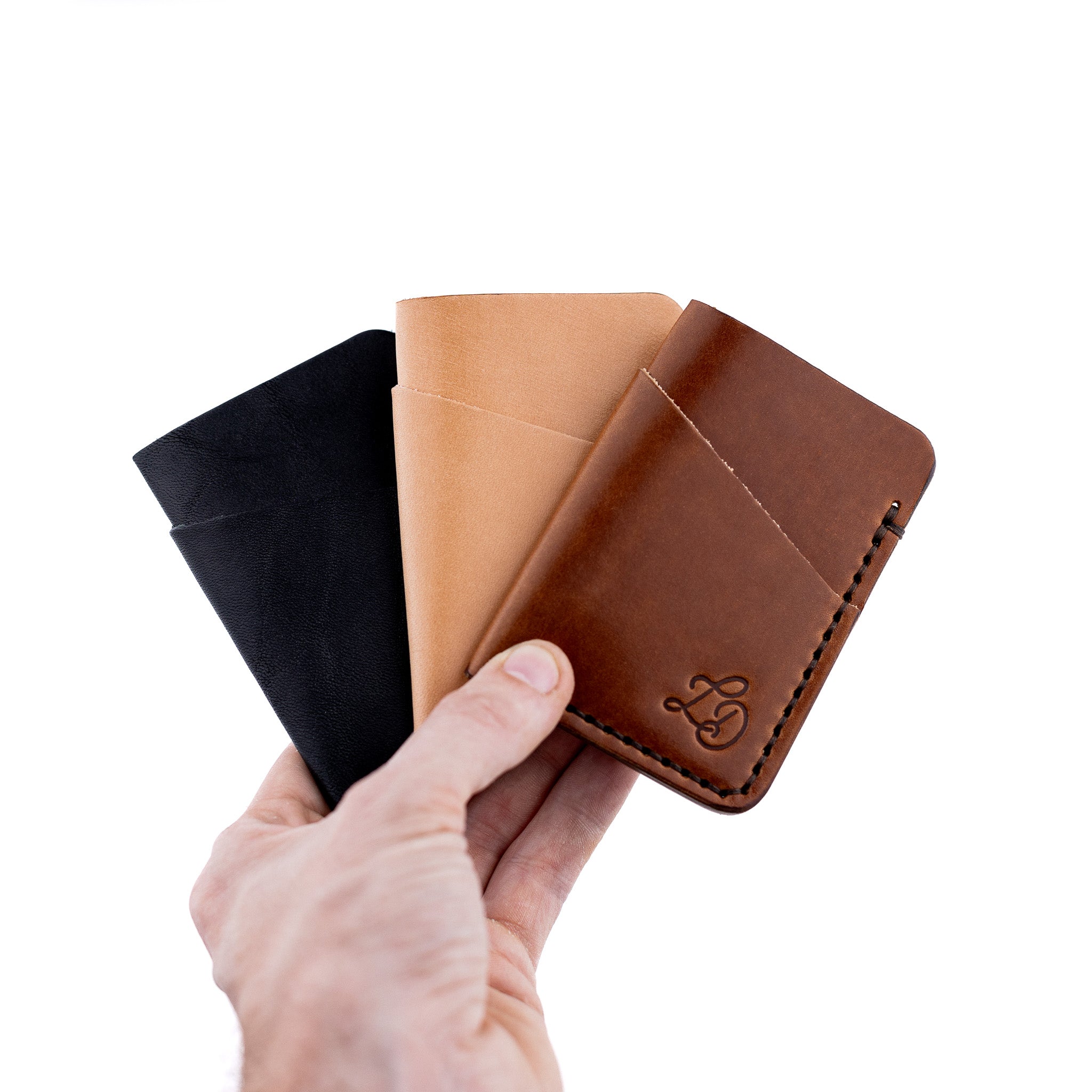
When you learn how to downsize your wallet, matching your new carry to an appropriate wallet style becomes crucial. Lost Dutchman Leather offers various minimalist options that hold 4-8 cards comfortably while maintaining slim profiles that disappear in your front pocket.
Quality materials make the difference between minimalist wallets that function well and those that fall apart under daily use. Full-grain leather construction provides durability without bulk, aging beautifully while maintaining structural integrity. RFID protection features add security without significantly increasing thickness.
Bifold Minimalist Options
Traditional bifolds often encourage overstuffing, but modern minimalist bifold wallets limit capacity intentionally. These designs offer familiar functionality with enforced discipline - you physically cannot overload them. Choose bifolds when you need slightly more organization than basic card holders provide, but ensure they feature slim construction that prevents bulk accumulation.
Front Pocket Wallet Designs
Front pocket carry offers health benefits and improved security. Wallets designed specifically for front pockets feature contoured shapes that conform to your leg, asymmetric designs that reduce printing through fabric, and limited capacity that enforces minimalism naturally.
Making the Transition Sustainable
Create a Maintenance System
Successful downsizing requires ongoing maintenance. Implement weekly wallet audits - spend two minutes removing receipts, expired cards, and accumulated clutter. Make immediate receipt removal a habit: photograph if needed, then discard the paper before it enters your wallet.
Digital backups for important cards provide peace of mind without physical bulk. Photograph your cards (front and back) and store images securely. This backup system eliminates the "what if" anxiety that causes people to carry unnecessary items.
What to Do With Removed Items
Designate a spot at home for backup cards - a small box or drawer works perfectly. Scan important documents and store digital copies in secure cloud storage. Discard truly unnecessary items: expired loyalty cards, business cards for contacts you've already entered digitally, and receipts for purchases you won't return.
Adjusting to Minimalist Carry
The first week feels strange. You'll instinctively reach for cards that aren't there anymore. This adjustment period is normal. Most people adapt within 10-14 days and begin appreciating the freedom of streamlined carry.
Address "what if" anxieties directly. What if you need that rarely-used card? In 99% of situations, you can retrieve it from home or use digital alternatives. The 1% inconvenience doesn't justify carrying unnecessary bulk daily.
Find your optimal setup through experimentation. Some people thrive with 3-card minimalism; others need 6-7 cards for their lifestyle. The goal isn't achieving someone else's definition of minimal - it's finding your functional minimum.
The Quality Factor: Investment in Durable Leather
Why Material Matters for Downsizing
Thin leather that maintains structure enables truly minimalist designs. Cheap materials either add excessive thickness for structure or collapse without support. Quality full-grain leather strikes the perfect balance - thin enough to keep profiles slim, strong enough to provide decades of reliable function.
Handcrafted leather wallets using vegetable tanned leather develop character through use while maintaining form. The material actually improves with age, developing rich patina that reflects your carry patterns. This aging process means your minimalist wallet looks better five years in than on day one.
American Craftsmanship Standards
Handcrafted construction using traditional techniques produces wallets that last lifetimes. Hand-stitched seams provide strength that machine stitching cannot match. Solid brass hardware resists corrosion and daily wear. These details matter when you're carrying something every single day for years.
A lifetime guarantee reflects confidence in construction quality. When manufacturers back their products permanently, they're building for durability, not planned obsolescence. This long-term approach aligns perfectly with minimalist philosophy - buy once, carry forever.
Conclusion
Learning how to downsize your wallet transforms daily life. The health benefits, practical advantages, and mental clarity from carrying less create compounding returns. Start your downsizing process today: audit your current carry, remove non-essentials, and choose a minimalist wallet that matches your refined needs.
Understanding what to remove from your wallet is the first step toward sustainable minimalism. The second step is selecting quality construction that serves you for decades. Explore handcrafted minimalist options that make downsizing effortless, or contact us for personalized recommendations based on your specific carry requirements. Your back, your posture, and your daily routine will thank you.