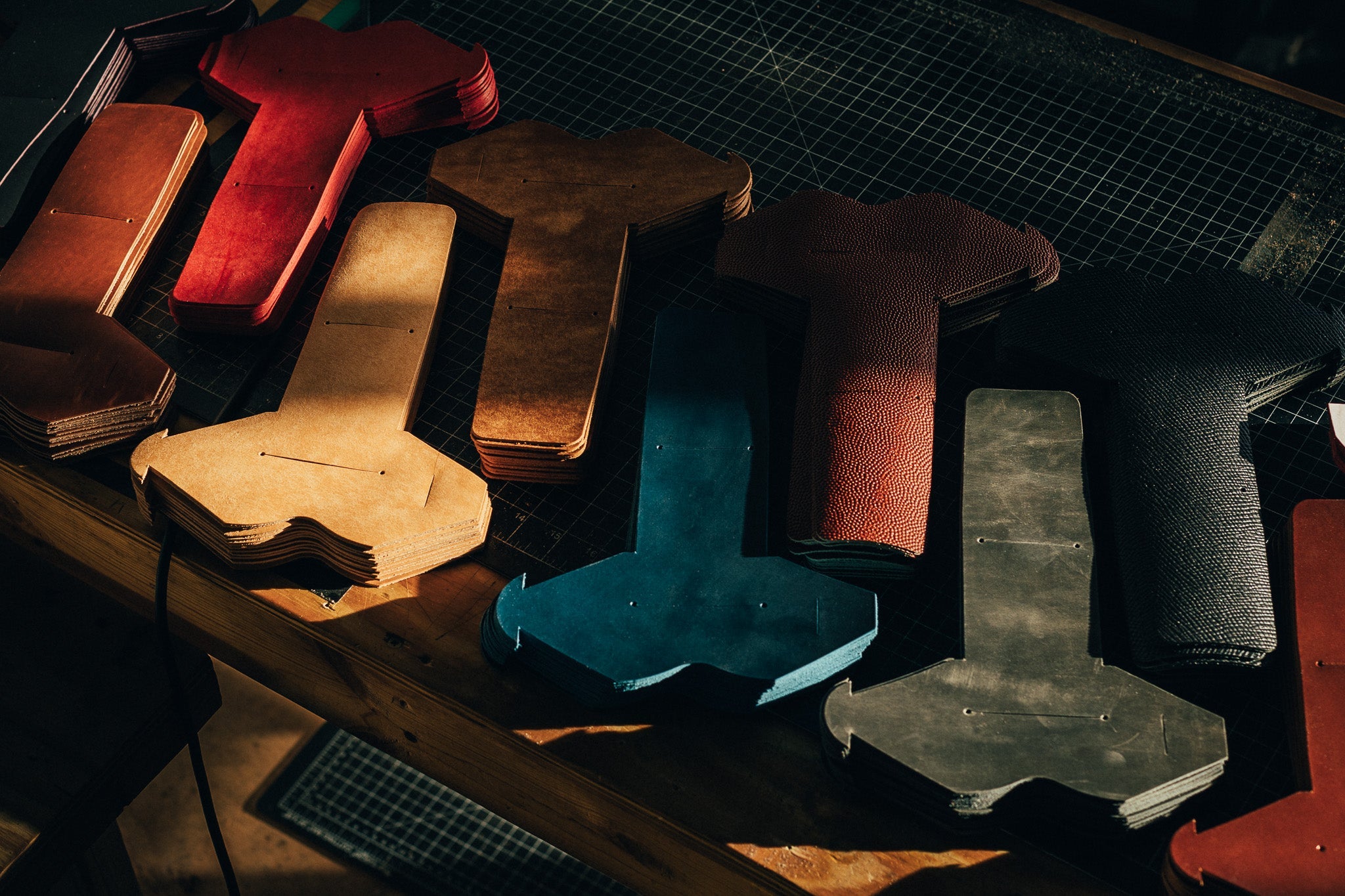

Sustainable Leather: What It Means and Why It Matters
Environmental concerns reshape how people think about purchases. From clothing to accessories, consumers demand transparency about production methods and ecological impact. The leather industry faces particular scrutiny as awareness grows about manufacturing processes. Understanding what is sustainable leather helps people make informed choices that align with values while still enjoying beautiful, durable goods.
What Is Sustainable Leather: Defining the Concept
Understanding Sustainable Leather Production
What is sustainable leather? The answer involves examining every production stage - from sourcing to finishing. Sustainable leather prioritizes environmental responsibility, ethical practices, and long-term thinking over short-term profits.
Traditional tanning relies heavily on chromium and harsh chemicals that contaminate water supplies. Sustainable approaches favor vegetable tanning, which uses natural tannins from tree bark, leaves, and roots. This centuries-old method produces beautiful leather without toxic runoff.
Material sourcing matters enormously. Sustainable leather comes from byproducts of the meat industry rather than animals raised solely for hides. This approach prevents waste while supporting multiple industries. Traceability ensures hides come from ethical sources with humane treatment standards.
Vegetable Tanning vs Chrome Tanning
The tanning method fundamentally determines leather's environmental impact. Chrome tanning dominates industrial production because it's fast and cheap. The process takes days rather than months. However, chromium salts create toxic wastewater that damages ecosystems when improperly managed.
Vegetable tanning represents the sustainable alternative. Natural tannins from oak, chestnut, and mimosa bark transform raw hides into supple leather. The process requires patience - sometimes months - but produces superior results. Vegetable tanned leather develops rich patina over time, aging beautifully rather than deteriorating.
The time investment translates to higher costs. Artisans cannot rush natural processes. Yet this slower approach aligns perfectly with sustainability principles. Quality trumps speed. Longevity matters more than immediate availability.
Ethical Sourcing Standards
Sustainable leather production extends beyond environmental concerns to ethical considerations. Fair labor practices ensure workers receive safe conditions and living wages. Transparency allows consumers to verify claims rather than trust marketing language.
Traceability systems track hides from source to finished product. This visibility prevents illegal deforestation, animal cruelty, and labor exploitation. Certifications from independent organizations verify compliance with established standards.
Environmental Impact of Leather: The Real Story
Water Usage in Leather Production
The environmental impact of leather begins with water consumption. Traditional tanning uses thousands of gallons per hide. Chemical processes require extensive rinsing and washing cycles. This massive usage strains water supplies in production regions.
Sustainable tanneries implement water recycling systems that dramatically reduce consumption. Closed-loop processes reuse water multiple times before treatment and discharge. Some innovative facilities achieve 90% water recycling rates.
Comparing leather to synthetic alternatives reveals surprising complexity. While leather production uses significant water, synthetic materials derive from petroleum - a non-renewable resource with its own environmental costs. The key difference? Quality leather lasts decades while synthetics often fail within years.
Chemical Pollution Concerns
The environmental impact of leather manufacturing centers largely on chemical pollution. Chrome tanning produces wastewater containing hexavalent chromium - a known carcinogen. Improper disposal contaminates groundwater and soil, creating long-term ecological damage.
Sustainable leather avoids these hazards entirely. Vegetable tanning produces biodegradable waste. The spent tannins and organic materials return safely to nature. No toxic runoff threatens water supplies or wildlife.
American manufacturers increasingly adopt sustainable practices. Stricter environmental regulations and consumer demand drive this transition. Lost Dutchman Leather prioritizes eco-friendly methods that produce beautiful goods without environmental compromise.
Carbon Footprint Considerations
Transportation contributes significantly to leather's carbon footprint. Hides shipped across oceans rack up emissions before tanning even begins. Finished products traveling from overseas factories to retailers add more.
Local production slashes transportation emissions. When leather goods are crafted domestically, the supply chain shrinks dramatically. Supporting American made leather goods reduces carbon impact while strengthening local economies.
Lifecycle analysis reveals another crucial factor. A quality leather wallet used for 20 years has far lower environmental impact than five cheap synthetic replacements. Durability matters. Products designed for longevity embody true sustainability.
Why Sustainable Leather Matters for Consumers
Longevity Reduces Environmental Impact
The buy-it-for-life philosophy directly addresses environmental concerns. Every product manufactured consumes resources and generates waste. Reducing how often items need replacement cuts environmental impact substantially.
What is sustainable leather's greatest advantage? Exceptional durability. Full-grain leather from responsible sources outlasts alternatives by decades. Proper care extends lifespan even further. A handcrafted leather wallet becomes an heirloom rather than disposable accessory.
Quality construction standards ensure products withstand daily use. Hand-stitched seams resist failure better than machine stitching. Solid brass hardware doesn't corrode or break. These details transform leather goods from consumables into lasting investments.
Health and Safety Benefits
The environmental impact of leather extends to personal health. Chrome-tanned products retain chemical residues that contact skin daily. Sensitive individuals experience allergic reactions or irritation from these substances.
Natural vegetable tanned leather contains no harmful chemicals. The material breathes naturally, resisting bacteria and odors. People with chemical sensitivities safely use these products without adverse reactions.
Children and pets face particular vulnerability to chemical exposure. Choosing sustainable leather products protects household members from unnecessary toxins. The hypoallergenic properties provide peace of mind along with beautiful craftsmanship.
Supporting Responsible Businesses
Every purchase represents a vote for specific business practices. Supporting companies committed to sustainability encourages broader industry change. Transparency in supply chains allows informed decisions about which businesses deserve support.
Responsible manufacturers openly share tanning methods, hide sources, and environmental practices. They welcome questions and provide detailed answers. Learn more about transparent production processes that prioritize both quality and responsibility.
American craftsmanship often exceeds overseas standards for environmental protection and worker treatment. Domestic producers face stricter regulations and greater accountability. Choosing locally crafted goods supports these higher standards.
Identifying Truly Sustainable Leather Products
Certifications and Standards
Legitimate certifications help consumers identify genuinely sustainable leather. The Leather Working Group provides third-party verification of environmental practices. Their ratings system assesses water usage, chemical management, and waste handling.
Eco-label programs offer additional verification. These independent organizations audit entire supply chains rather than accepting manufacturer claims. Look for specific certification names rather than vague "eco-friendly" marketing language.
Not all sustainable leather carries certifications. Small-scale artisans may lack resources for expensive audit processes despite using exemplary methods. This reality makes other verification methods equally important.
Questions to Ask Manufacturers
Direct communication reveals commitment to sustainability. Reputable manufacturers answer questions about tanning methods without hesitation. They explain hide sourcing and provide supply chain transparency.
Ask about waste management practices. How does the tannery handle chemical disposal? What percentage of water gets recycled? These specific questions expose whether sustainability claims hold substance.
Request information about dyes and finishes. Natural dyes from plants create beautiful colors without synthetic chemicals. Finishing oils should come from renewable sources rather than petroleum derivatives.
Red Flags to Avoid
Vague sustainability claims without supporting details indicate greenwashing. Phrases like "eco-conscious" or "nature-inspired" mean nothing without concrete practices backing them up. Genuine sustainable leather producers provide specific information readily.
Unrealistically low prices suggest corners cut somewhere. Sustainable practices cost more than conventional methods. The time, materials, and expertise required justify premium pricing. Suspiciously cheap "sustainable" leather likely isn't.
Lack of transparency raises immediate concerns. Companies hiding production details probably have something to hide. Legitimate sustainable leather makers proudly share their processes and welcome scrutiny.
Making Sustainable Choices in Leather Goods
Choosing Quality Over Fast Fashion
Fast fashion mentality contradicts sustainability fundamentally. Cheap, trendy items designed for brief use create enormous waste. The investment piece mindset offers the alternative - buying less but choosing better.
Handcrafted leather goods embody this philosophy. Artisans create quality accessories built to last generations. The higher upfront cost spreads across decades of use, ultimately saving money while reducing environmental impact.
Mass production optimizes for volume and speed over longevity. Individual attention to each piece allows quality control impossible in factory settings. This craftsmanship difference shows in daily use and extended lifespan.
Caring for Leather to Extend Lifespan
Proper maintenance dramatically extends leather's useful life. Regular conditioning prevents drying and cracking. Cleaning removes dirt that accelerates wear. These simple steps add years or decades to product lifespan.
The repair-versus-replace mentality further reduces environmental impact. Quality leather accepts repair beautifully. Replacing worn stitching or hardware restores functionality at minimal cost and environmental expense. This contrasts sharply with synthetic products that must be discarded when damaged.
Many manufacturers support product longevity through lifetime guarantees and repair services. These programs keep products in use rather than landfills. They demonstrate genuine commitment to sustainability beyond marketing claims.
Supporting Local Artisans
Choosing locally crafted leather goods delivers multiple sustainability benefits. Reduced shipping emissions represent the obvious advantage. Supporting community economies provides less visible but equally important benefits.
Local production enables personal relationships with makers. Customers can visit workshops, ask questions, and verify practices firsthand. This transparency exceeds what's possible with overseas mass production.
Quality control improves when makers stand behind their work personally. Artisans stake their reputations on every piece. This accountability ensures exceptional standards that benefit consumers and environment alike.
Conclusion
Understanding what is sustainable leather empowers consumers to make choices aligned with environmental values. The environmental impact of leather depends entirely on production methods - responsible practices create beautiful, durable goods without ecological destruction. Vegetable tanning, ethical sourcing, and local craftsmanship combine to produce leather that honors both tradition and responsibility.
Sustainable choices extend beyond single purchases to lasting relationships with quality goods. Investing in well-crafted leather products reduces waste, supports ethical businesses, and provides superior functionality. These benefits compound over years of use, demonstrating that sustainability and quality naturally align.
Ready to explore sustainable leather options? Contact us to learn about handcrafted goods produced with environmental responsibility and exceptional craftsmanship. Every piece represents a commitment to quality that lasts.