EDC Gear Spotlight: Why a Quality Leather Wallet Is a Must-Have
Every everyday carry setup centers around a few essential items that see constant use throughout the day. Among these core pieces, the wallet stands out as perhaps the most critical component. While many EDC enthusiasts invest heavily in knives, flashlights, and multi-tools, they often overlook the importance of selecting a quality EDC wallet. This oversight proves costly both financially and practically, as cheap wallets fail quickly and create daily frustrations.
The difference between a bargain wallet and a well-crafted leather piece extends far beyond initial price. Quality materials, expert construction, and thoughtful design combine to create an item that serves reliably for years or decades rather than months. Understanding what separates exceptional wallets from mediocre ones empowers better purchasing decisions and ultimately improves daily carry experience.
The Foundation of Everyday Carry - Your Wallet
A wallet serves as the cornerstone of any EDC configuration. This single item holds identification, payment methods, emergency cash, and often important cards needed throughout daily activities. The wallet gets accessed dozens of times daily - far more frequently than most other carried items.
Why the Wallet Matters Most
Consider how often a wallet comes into use during a typical day. Every purchase, every ID check, every need to access cards or cash requires retrieving and opening the wallet. This constant interaction means the wallet experiences more handling, stress, and wear than nearly any other everyday item except perhaps the smartphone.
Beyond pure functionality, the wallet reflects personal style and values. A well-made leather wallet signals attention to quality and appreciation for craftsmanship. It communicates that the carrier values durability and timeless design over disposable convenience. These subtle signals matter in professional and social contexts.
The wallet also represents a significant trust investment. It holds items critical to modern life - driver's licenses, credit cards, insurance cards, cash. Trusting these valuables to a flimsy, poorly constructed wallet creates unnecessary risk. Seams can fail, stitching can break, and materials can tear at the worst possible moments.
The Cost of Cheap Wallets
Many people fall into a predictable cycle with wallets. They purchase an inexpensive option, use it for six months to two years until it falls apart, then buy another cheap replacement. This pattern repeats throughout their lifetime, resulting in dozens of wallets purchased over the years.
The financial mathematics of this approach rarely favor the buyer. Five cheap wallets at twenty dollars each cost more than one quality EDC wallet at seventy-five dollars that lasts twenty years. The quality option provides better service throughout its lifespan while actually costing less in the long run.
Cheap wallets also create daily frustrations. They bulk excessively in pockets due to poor design and low-quality materials that don't break in properly. Card slots stretch out, allowing cards to fall out unexpectedly. Stitching fails, creating holes where items can slip through. These problems compound over time, degrading the user experience continuously.
What Makes a Quality EDC Wallet
Several key factors distinguish exceptional wallets from ordinary ones. Understanding these elements helps identify genuinely superior products rather than items that merely appear well-made.
Full-Grain Leather Construction
The single most important quality indicator in any leather wallet is the grade of leather used. Full-grain leather represents the highest quality tier, utilizing the complete thickness of the hide with the natural grain intact. This material exhibits superior strength, durability, and aging characteristics compared to lower grades.
Full-grain leather develops a distinctive patina through use - a natural sheen and color variation that tells the story of daily carry. Rather than simply wearing out, this material becomes more attractive and personalized over years of service. The natural grain provides inherent strength that resists tearing and stretching far better than corrected or split leathers.
Contrast this with "genuine leather" - a marketing term that actually indicates lower-quality material. Genuine leather typically consists of leftover scraps bonded together with adhesives, then stamped with an artificial grain pattern. This material lacks the durability and aging properties of full-grain leather, often cracking and deteriorating within a few years.
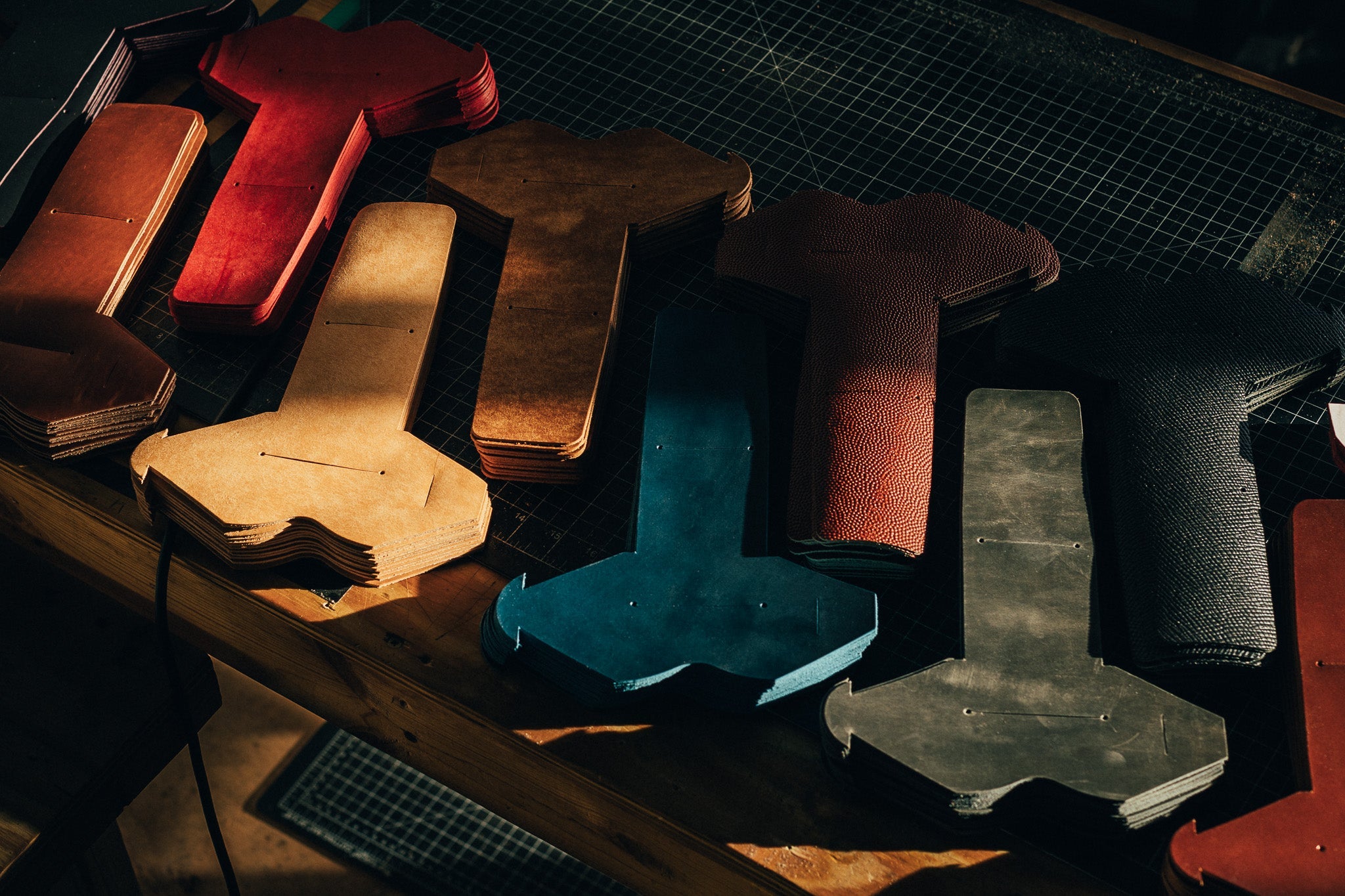
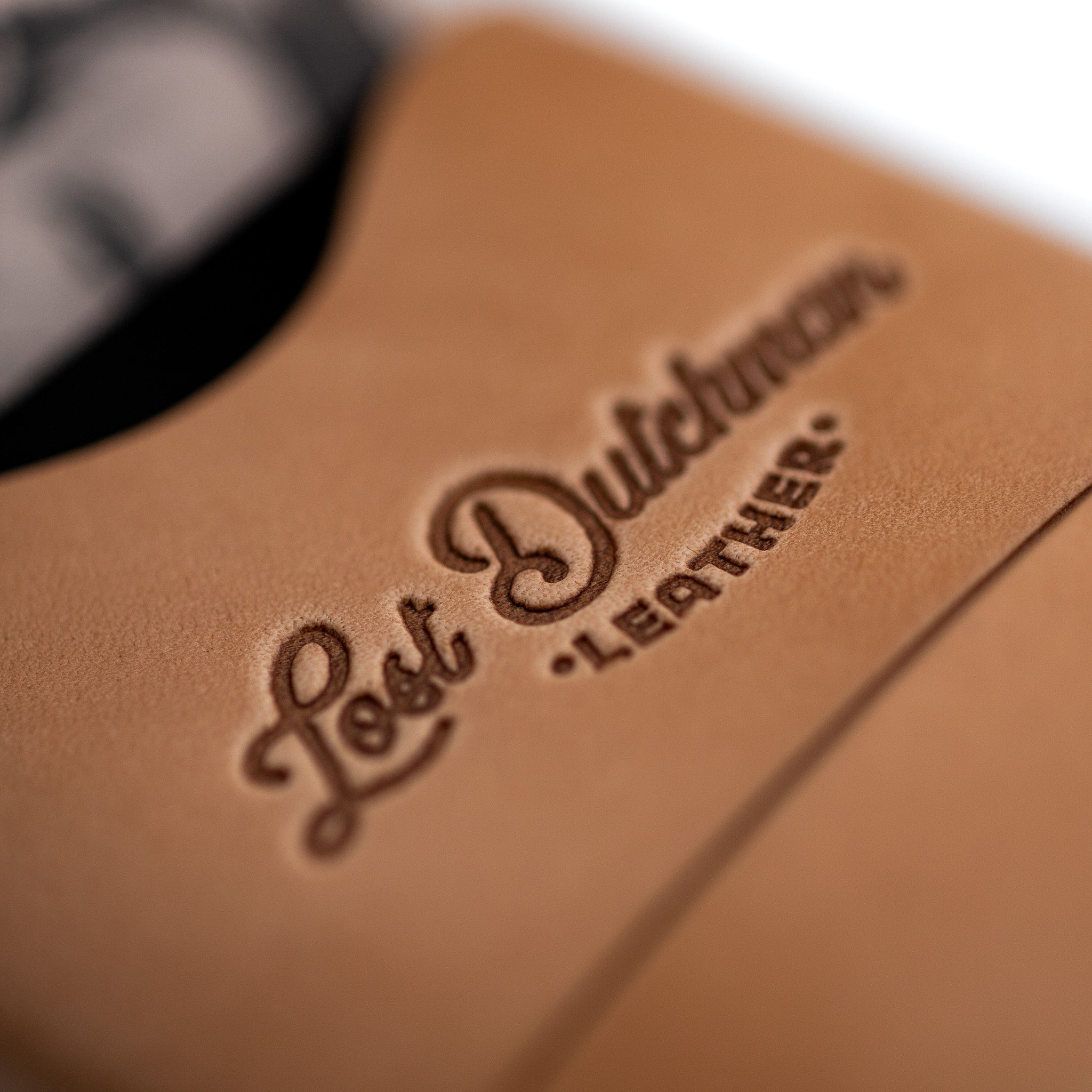
Vegetable-tanned full-grain leather offers additional benefits for EDC applications. The tanning process uses natural materials rather than harsh chemicals, resulting in leather that breathes, resists moisture naturally, and develops richer patina over time. Lost Dutchman Leather specializes in this traditional approach to create wallets that improve with age.
Expert Craftsmanship and Design
Material quality means little without skilled construction. Hand-stitched seams significantly outlast machine stitching because the technique creates individual lock stitches rather than continuous chains. If one stitch breaks in hand-sewn construction, the rest remain secure. Machine stitching can unravel entirely from a single failure point.
Thoughtful design considers how the wallet functions in actual daily use. Card slots should grip firmly when new but allow easy access. They should accommodate standard card thickness without stretching excessively over time. Cash compartments need sufficient depth to hold bills without them protruding or folding awkwardly.
Quality hardware matters tremendously for longevity. Solid brass rivets, snaps, and closures maintain functionality through thousands of opening and closing cycles. Cheap alternatives made from plated steel or thin alloys fail much sooner, often taking surrounding leather with them when they break.
Functional Design Elements
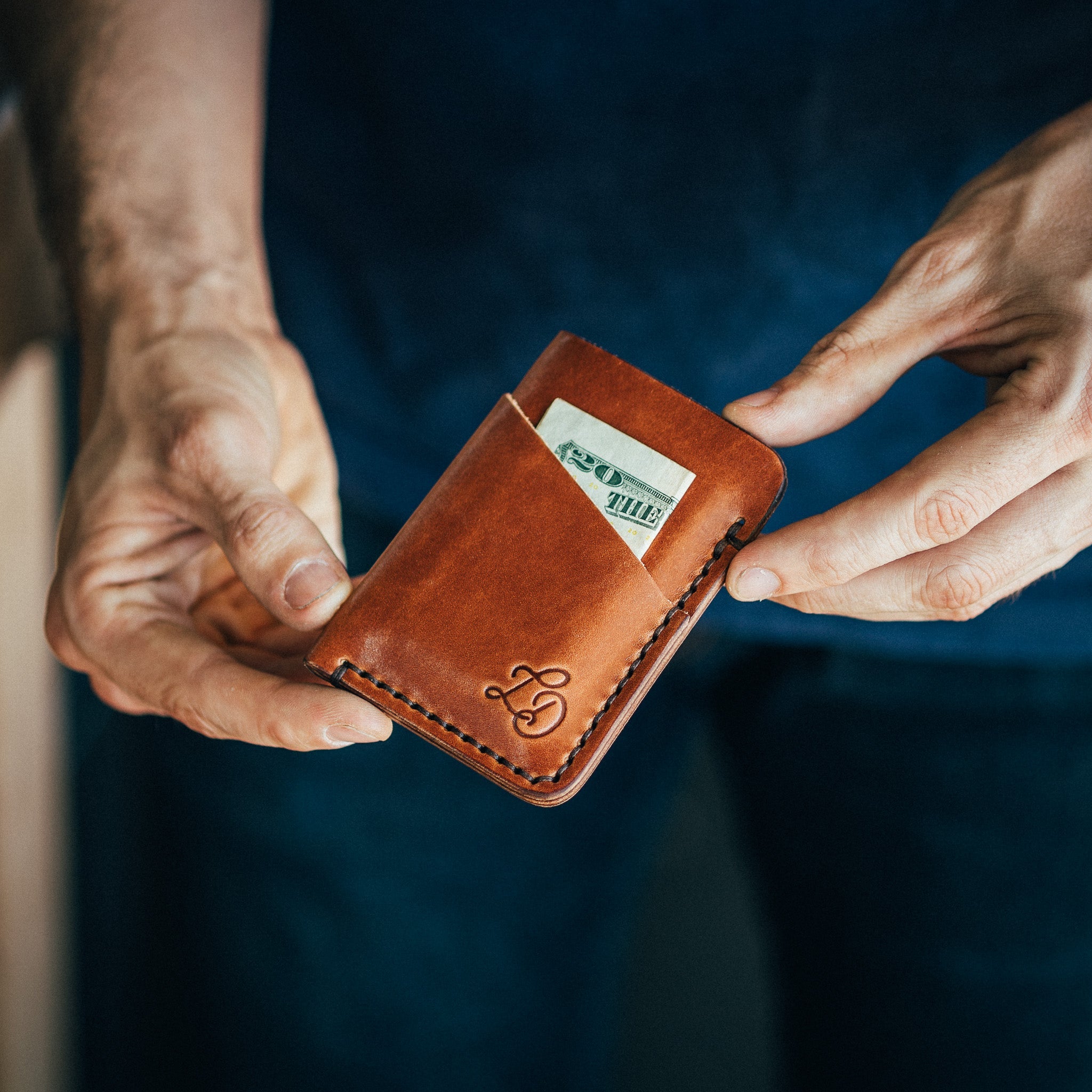
The best quality EDC wallet balances capacity with slim profile. Carrying 8-12 cards and reasonable cash should not create a pocket-distorting bulge. Well-designed wallets achieve this through precise card slot sizing, strategic pocket placement, and materials that break in properly without excessive stretching.
Accessibility proves critical for items used so frequently. The most-needed cards should occupy positions allowing instant retrieval. Bill compartments should open easily with one hand. The overall form factor should permit comfortable removal from and replacement into pockets without fumbling or adjustment.
Different wallet styles serve different needs optimally. Traditional bifold wallets excel for those who regularly carry cash and prefer back-pocket placement. Minimalist card holders work perfectly for front-pocket carry and primarily card-based transactions. Selecting the right format for individual needs maximizes satisfaction with a quality EDC wallet.
Durable Leather for Wallets - Material Selection Matters
Not all leather provides equal performance in wallet applications. Understanding the critical differences between leather types and tanning methods enables informed selection of truly durable leather for wallets.
Understanding Leather Quality Grades
The leather industry uses specific terminology that often confuses consumers. "Full-grain leather" refers to hides that retain the complete grain surface - the toughest, most desirable part of the hide. This material has not been sanded, buffed, or corrected in any way, preserving natural strength and character.
"Top-grain leather" has had the outermost surface removed through sanding or buffing, then embossed with an artificial grain pattern. While still legitimate leather, this processing weakens the material and removes many beneficial properties. It cannot develop the same rich patina as full-grain leather.
"Genuine leather" typically consists of the lowest-quality scraps - often the innermost layers split away from higher-grade sections. These pieces get bonded together with adhesives and heavily processed to create usable material. The result looks acceptable initially but lacks durability and aging characteristics.
Vegetable tanning versus chrome tanning represents another crucial distinction. Vegetable tanning uses natural tannins from tree bark and plants, requiring months of careful processing. The result is firmer, more durable leather for wallets that develops beautiful patina and resists moisture naturally. Chrome tanning uses chemical treatments for faster production but creates softer leather prone to stretching and moisture damage.
How Quality Leather Performs Daily
Durable leather for wallets must withstand constant flexing, friction, moisture exposure, and temperature variations. Full-grain vegetable-tanned leather excels in these conditions. The intact grain structure resists abrasion that would quickly wear through lower-grade materials.
The natural density of quality leather provides inherent water resistance. While not waterproof, properly tanned full-grain leather sheds casual moisture exposure without staining or damage. Spilled drinks, rain, or humidity that would ruin bonded leather barely affect premium materials.
Shape retention separates quality from mediocrity over time. Cheap leather stretches excessively, causing card slots to become loose and pockets to deform. Premium full-grain leather breaks in perfectly - softening slightly for comfort while maintaining structural integrity that keeps cards secure and cash organized.
The Patina Effect - Beauty Through Use
One of the most compelling aspects of durable leather for wallets is how it improves aesthetically through use. Full-grain leather develops a patina - a natural sheen and color variation resulting from oils, handling, and environmental exposure. This patina creates unique character that cannot be replicated artificially.
Unlike synthetic materials or bonded leather that simply wear out and look increasingly shabby, quality leather becomes more attractive over years of service. The patina tells the story of daily carry, with slight color variations and subtle wear patterns reflecting individual use. Many people treasure well-aged leather goods specifically for this distinctive appearance.
This aging process adds value rather than detracting from it. A ten-year-old handcrafted wallet with rich patina carries more appeal and perceived worth than a brand-new cheap alternative. The visible quality and character justify the original investment many times over.
Long-Term Value of Quality Wallets
Evaluating wallet purchases requires looking beyond initial price to consider total cost of ownership and non-monetary benefits.
Lifetime Cost Comparison
A quality EDC wallet from a reputable maker typically costs between seventy-five and one hundred fifty dollars depending on design complexity and features. This seems expensive compared to twenty-dollar department store alternatives - until the math gets examined closely.
Cheap wallets typically last one to three years before failing completely. Generous estimates suggest five wallets over a twenty-year period at twenty dollars each - one hundred dollars total. A quality leather wallet backed by a lifetime guarantee costs perhaps one hundred dollars once and lasts twenty years or more. The quality option costs the same or less while providing superior service throughout.
Factor in the frustration cost of dealing with failing wallets - cards falling through broken seams, embarrassment from shabby appearance, time spent shopping for replacements - and the value proposition becomes even clearer. Quality wallets eliminate these problems entirely through reliable performance.
Environmental and Sustainability Benefits
Disposable consumer culture creates enormous waste. Millions of cheap wallets end up in landfills annually, most containing synthetic materials or bonded leather that will not biodegrade properly. This waste stream continues growing as people replace failed wallets repeatedly.
Quality leather goods made from natural, vegetable-tanned materials present a sustainable alternative. Full-grain leather biodegrades naturally when its useful life eventually ends. More importantly, durability means these items rarely need disposal - they simply keep serving their purpose year after year.
Supporting traditional craftsmanship also provides sustainability benefits beyond environmental concerns. Small makers like Lost Dutchman Leather preserve valuable skills and create local employment. This stands in stark contrast to mass-produced imports from factories with questionable labor and environmental practices.
Selecting the Right Wallet Style for Your EDC
Even the finest materials and construction only deliver value when the wallet format matches individual needs and preferences.
Bifold Wallets - Traditional Versatility
The classic bifold wallet remains popular for good reasons. This format provides generous capacity for cards and cash while folding compactly for pocket carry. Most people find the organization intuitive - bills in the center section, cards in dedicated slots on each half.
Bifolds work particularly well for those who regularly carry cash and prefer back-pocket placement. The folded configuration distributes contents evenly, preventing the thick-on-one-side problem some other formats create. Quality bifolds in full-grain leather break in beautifully, molding slightly to body contours for comfortable all-day wear.
Design variations allow personalization. Some bifolds feature numerous card slots for those carrying many cards. Others keep slots minimal for slimmer profiles. Some include ID windows, coin pockets, or additional organizational features. Selecting the right variation ensures the wallet serves specific needs optimally.
Card Holders - Minimalist Excellence
For those who carry few cards and minimal cash, card holders represent the ultimate in streamlined efficiency. These ultra-slim designs eliminate all unnecessary bulk while securely holding 4-8 cards plus emergency cash.
Card holders excel for front-pocket carry. The slim profile virtually disappears in jeans or chinos, creating no visible pocket bulge. This makes them ideal for situations where a traditional wallet feels too bulky or for people who simply prefer minimalist everyday carry.
The digital payment era enhances card holder appeal. With smartphones handling many transactions, the need for extensive cash capacity has diminished for many users. A card holder accommodates essential cards while encouraging streamlined carry habits.
Specialized Designs for Specific Needs
Beyond standard bifolds and card holders, specialized wallet designs serve particular requirements. Travel wallets accommodate passports and boarding passes alongside standard wallet contents. Notebook covers with integrated card storage combine daily organization tools with wallet functionality.
Front-pocket wallets address concerns about back-pocket pickpocketing and sitting comfort. These designs optimize for front-pocket geometry while maintaining adequate capacity. Some people discover they strongly prefer front-pocket carry once they try it.
Custom options allow ultimate personalization. Makers accepting custom orders can modify standard designs or create entirely unique pieces matching specific requirements. This ensures the wallet serves individual needs perfectly rather than requiring compromise.
Caring for Your Quality Leather Wallet
Proper care extends the already-impressive lifespan of quality leather wallets while maintaining optimal appearance and functionality.
Daily Maintenance Practices
Quality leather requires minimal daily maintenance but benefits from a few simple practices. Avoid overstuffing the wallet with unnecessary items - this prevents stretching and maintains the intended slim profile. Remove receipts and cards no longer needed regularly to prevent accumulation.
Keep the wallet away from extreme heat sources. Leaving it on a car dashboard in summer or next to a fireplace can dry out leather prematurely. While quality leather handles normal temperature variations easily, extreme heat accelerates aging.
Moisture exposure from rain or spills should be addressed promptly but without panic. Blot excess moisture with a clean cloth and allow the wallet to air dry naturally. Never use direct heat like hairdryers - this can crack leather. Properly tanned full-grain leather handles occasional moisture without problems.
Long-Term Leather Care
Quality leather benefits from periodic conditioning to replace natural oils lost through use. Apply leather conditioner designed specifically for vegetable-tanned leather every 6-12 months depending on use intensity. This simple maintenance keeps leather supple and enhances water resistance.
The conditioning process takes mere minutes. Apply a small amount of conditioner with a clean cloth, work it into the leather with circular motions, then buff away excess. The wallet should feel slightly enriched but not oily or sticky. Many quality accessories benefit from this same simple care routine.
Minor scratches and scuffs add character but can be addressed if desired. Rubbing scratches firmly with a clean finger often diminishes their appearance as body oils work into the leather. For deeper damage, leather conditioner helps blend imperfections into the overall patina.
Conclusion
The wallet represents the single most-used item in most EDC configurations. Selecting a quality EDC wallet built from durable leather for wallets transforms this daily essential from a disposable commodity into a reliable companion that improves with age. The investment pays dividends through superior functionality, lasting durability, and aesthetic character that cheap alternatives cannot match.
Full-grain vegetable-tanned leather, expert hand-stitching, thoughtful design, and attention to detail separate exceptional wallets from mediocre ones. These quality factors ensure decades of reliable service while actually costing less than repeatedly replacing inferior products. The environmental benefits and support for traditional craftsmanship provide additional value beyond pure economics.
Whether selecting a traditional bifold, minimalist card holder, or specialized design, prioritizing material quality and construction excellence ensures satisfaction with this critical everyday carry item. The right wallet should serve so reliably that it becomes practically invisible - always performing its function without requiring thought or attention.
For those ready to invest in a quality EDC wallet that will serve faithfully for years or decades, explore the complete collection of handcrafted leather goods made in America. Every piece reflects traditional craftsmanship, premium materials, and designs proven through real-world use. Questions about selecting the perfect wallet for specific needs? Contact us for expert guidance on matching wallet style, size, and features to individual requirements.