
Receipt Chaos: Organizing Paper Without Wallet Overflow
The average wallet owner stuffs receipts into their billfold for weeks before dealing with them. This habit transforms a sleek leather wallet into a bulging paper accordion that strains stitching and distorts shape. Within six months, a wallet designed to last decades shows premature wear from paper overload rather than natural use.
Effective wallet receipt organization demands a system that protects both financial records and leather goods. The solution isn't a bigger wallet - it's a strategic approach that separates immediate needs from long-term storage. Modern receipt tracking combines physical organization with digital tools to eliminate wallet bloat while maintaining accessible records for returns, warranties, and tax documentation.
The Real Cost of Receipt Hoarding
Paper receipts damage wallets through mechanical stress and chemical interaction. Thermal paper contains compounds that transfer to leather surfaces, creating permanent discoloration on vegetable-tanned hides. The constant friction from removing and replacing receipts accelerates wear on card slots and bill compartments.
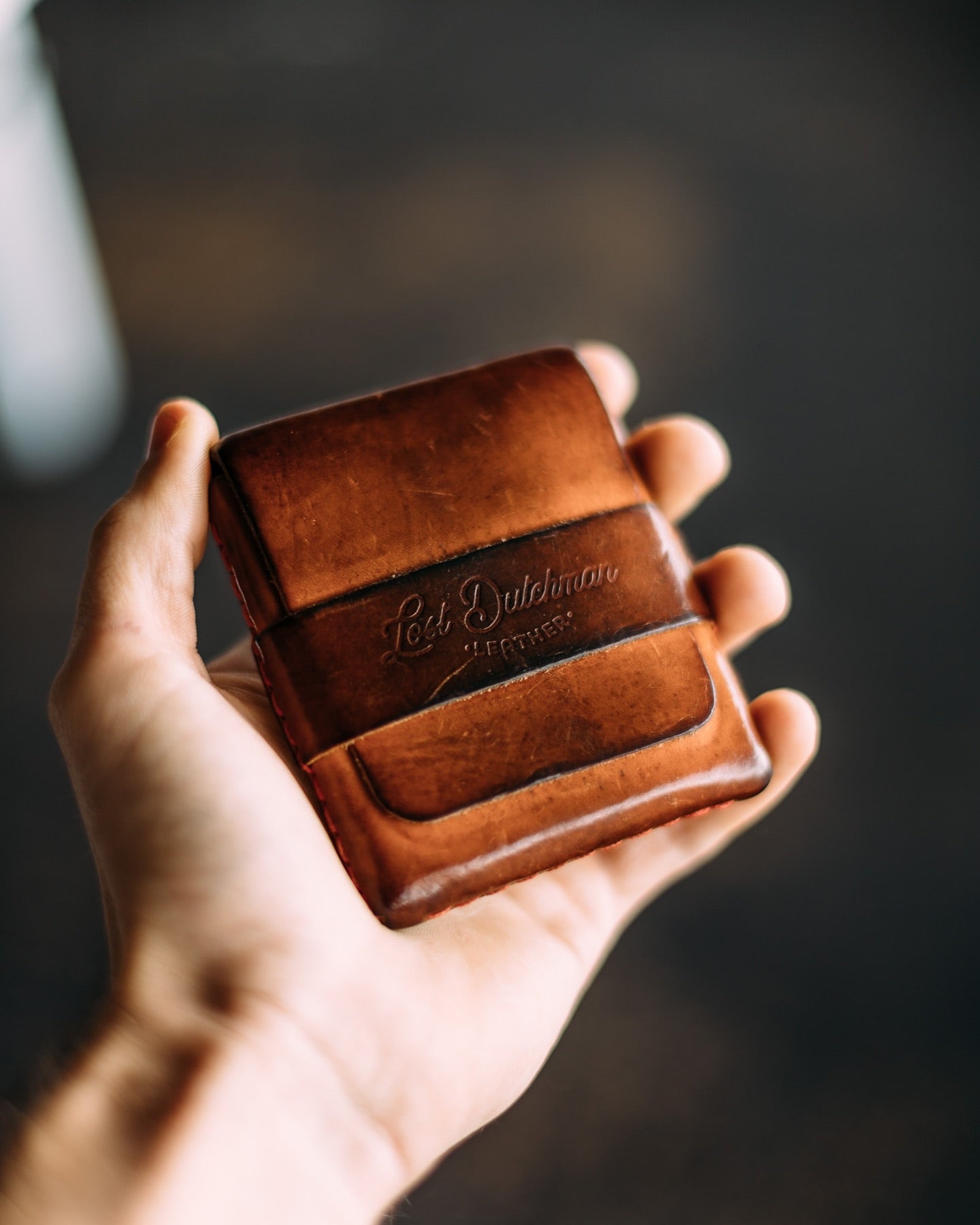
A Lost Dutchman Leather wallet built from full-grain leather develops character through use, not abuse. Receipts force the leather to stretch beyond its natural flex pattern, creating stress points that compromise structural integrity. The material can't develop its intended patina when paper constantly interferes with the leather-to-hand contact that builds rich coloration over time.
Financial implications extend beyond wallet replacement. Lost receipts mean forfeited returns, missed warranty claims, and incomplete expense tracking. Small businesses lose an average of $4,800 annually to undocumented deductible expenses when receipts disappear in wallet chaos.
Immediate Capture Systems
The moment a transaction completes determines whether a receipt becomes useful data or wallet clutter. Learning to organize wallet receipts successfully starts at the point of purchase with clear decision criteria.
Essential Receipts Requiring Temporary Wallet Storage
Returns-eligible purchases under 30 days, warranty activation documentation, business expense receipts pending reimbursement, and large purchases requiring proof for insurance claims deserve temporary retention.
Receipts That Never Belong in Wallets
Grocery and routine purchases under $20, duplicate receipts when email confirmation exists, coffee shop and quick-service transactions, and ATM receipts with balances already verified should never enter your leather wallet.
The Franklin Wallet's single-piece construction creates a natural receipt checkpoint. Its minimalist design physically limits paper capacity, forcing immediate decisions about what truly needs preservation. This constraint becomes a feature rather than a limitation.
Digital Conversion Workflow
Smartphone cameras eliminate the need for physical receipt storage while maintaining complete documentation. The conversion process takes 15 seconds per receipt when integrated into the checkout routine.
Effective Mobile Scanning Technique
Photograph receipts immediately after purchase while still at the register. Natural lighting produces clearer images than attempting scans later under artificial light. Position the camera directly above the receipt to avoid perspective distortion that makes text illegible.
Dedicated receipt apps automatically extract merchant names, dates, amounts, and tax information from photos. These applications categorize expenses, flag potential deductions, and generate monthly reports without manual data entry. The digital archive becomes searchable by merchant, amount, date, or category - capabilities impossible with paper storage.
Cloud storage ensures receipts survive phone loss or damage. Automatic backup to secure servers creates redundancy that physical receipts can't match. The same receipt exists simultaneously on a phone, computer, and cloud server.
Physical Sorting Stations
Receipts that require temporary physical retention need designated storage outside the wallet. A sorting station at home processes incoming paper before it accumulates and helps organize wallet receipts systematically.
Three-Category System
Pending action receipts live in a desktop organizer until processed. Returns awaiting store visits, reimbursements pending submission, and warranty cards needing registration occupy this active zone. Weekly review prevents items from aging past return windows or reimbursement deadlines.
Monthly archive receipts transfer to labeled envelopes after digital scanning. Major purchases, medical expenses, and business documentation remain accessible but compressed. Standard letter envelopes hold 30-40 receipts flat without folding, preserving legibility for potential audits.
Annual tax receipts move to yearly folders after categorization. Charitable donations, medical expenses, business costs, and major purchases organize by deduction category. This pre-sorted structure eliminates the April scramble to reconstruct spending patterns from crumpled papers.
The card holders collection emphasizes intentional carry - each item in the wallet serves an active purpose. Receipts waiting for processing don't qualify as active items and belong in the home sorting station.
Strategic Wallet Design
Wallet architecture influences receipt accumulation patterns. Designs with multiple hidden pockets encourage "just in case" paper hoarding. Transparent construction forces accountability.
Minimalist Wallets Create Natural Limits
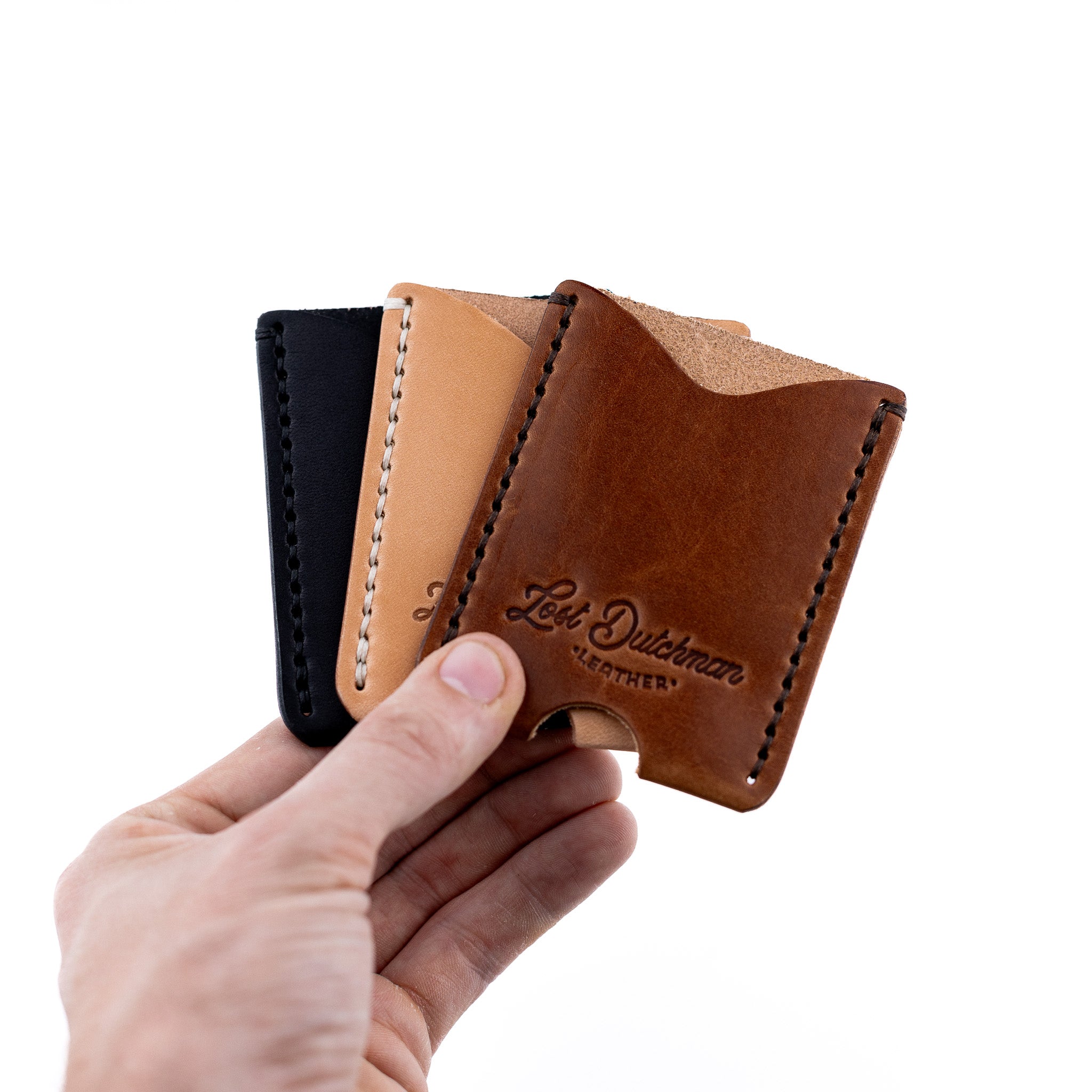
The Vertical Dutchman's slim profile physically prevents receipt stuffing. Its vertical orientation makes paper immediately visible rather than hidden in deep bill folds. This visibility prompts regular clearing rather than allowing accumulation.
Traditional bifolds with multiple card slots create false storage capacity. Empty pockets become receipt repositories by default. The Dutchman's intentional design allocates space for currency and essential cards only, eliminating ambiguous storage zones that attract paper clutter.
Single-piece construction in wallets like The Franklin removes stitched pockets entirely. Without designated receipt compartments, users develop external storage habits from the start. The wallet maintains its intended slim profile because the design prevents paper retention.
Business Expense Management
Self-employed professionals and frequent business travelers face higher receipt volumes requiring systematic handling. Standard wallet receipt organization fails under this increased load.
Mobile Expense Platforms Integrate With Accounting Software
Real-time expense logging captures receipts at the moment of purchase. The app photographs the receipt, extracts relevant data, assigns expense categories, and syncs with bookkeeping systems. The physical receipt becomes redundant once digital capture confirms.
Mileage tracking applications eliminate paper logs entirely. GPS-based recording documents routes automatically, calculating deductible amounts without manual entry. The smartphone replaces the glove compartment stuffed with handwritten mileage records.
Corporate credit cards with integrated expense management eliminate reimbursement paperwork. Transactions automatically populate expense reports with merchant details, amounts, and dates. Employees photograph receipts only for cash purchases or per diems.
The 24-Hour Rule
Receipts that spend more than 24 hours in a wallet rarely serve their intended purpose. This timeframe creates urgency for decision-making and processing when you organize wallet receipts.
Daily Wallet Clearing Routine
Empty all receipts onto the home sorting station each evening. Photograph items requiring digital records immediately. File papers needing temporary retention in the pending action organizer. Discard receipts with no return, warranty, or tax implications.
This daily practice prevents the weekend wallet archaeology session where week-old receipts emerge crumpled and faded. Thermal paper degrades rapidly - text becomes illegible within weeks when exposed to heat and friction inside wallets.
The routine takes less than two minutes when performed daily versus 30 minutes of sorting when receipts accumulate over weeks. Consistency eliminates the backlog that makes organization feel overwhelming.
Email Receipt Optimization
Digital receipts arrive automatically for most online purchases and an increasing number of in-store transactions. These electronic records require organization to remain useful.
Email Filtering Rules
Create automatic filters that label incoming receipts by category and move them to designated folders. Merchant names in the sender field trigger the filter, routing emails without manual sorting. Monthly reviews of categorized folders take minutes rather than hours of inbox searching.
Dedicated receipt email addresses separate purchase confirmations from personal correspondence. Free email accounts serve exclusively as receipt repositories, keeping primary inboxes clean while maintaining complete transaction records. This separation prevents important receipts from disappearing in conversation threads.
Calendar reminders linked to specific receipts flag return windows and warranty periods. A 25-day reminder for a 30-day return policy provides buffer time for decision-making. These automated prompts prevent missed deadlines that render receipt retention pointless.
Warranty Documentation Strategy
Warranty receipts represent the highest-value paper that tempts wallet storage. These documents prove purchase dates for claims months or years later, but they don't belong in daily carry.
Centralized Warranty Filing System
Photograph warranty receipts immediately after purchase and email them to a dedicated warranty address. The email subject line includes product name, purchase date, and warranty length. This creates a searchable archive accessible from any device.
Physical warranty cards and receipts store together in a home file organized by expiration date. Products with warranties expiring in 2025 occupy one section, 2026 warranties another. This chronological system allows annual purging of expired documentation.
Product registration with manufacturers often eliminates the need for receipt retention. Online accounts linked to serial numbers provide purchase date verification without paper. Register items immediately after purchase while the receipt is still accessible.
Leather Care Considerations
Receipts don't just clutter wallets - they actively damage leather through chemical transfer and mechanical stress. Proper wallet receipt organization extends wallet lifespan dramatically.
Thermal Paper Damage
Thermal paper receipts contain bisphenol compounds that migrate to leather surfaces under pressure and heat. These chemicals create permanent staining on natural leather that can't be removed with standard conditioning products. The discoloration appears as dark patches where receipts made prolonged contact.
Paper edges act as abrasives against leather interiors. The constant insertion and removal of receipts creates friction that smooths away the natural grain texture. Bifolds with deep bill compartments show this wear pattern first, with interior surfaces becoming unnaturally smooth compared to exterior patina.
Moisture from receipts trapped in wallets creates conditions for mildew growth. Thermal paper absorbs humidity, then releases it slowly inside the confined wallet space. This elevated moisture level compromises leather's natural breathability and promotes bacterial growth that produces musty odors.
Return Window Tracking
The primary justification for keeping receipts in wallets is maintaining return eligibility. Strategic tracking eliminates the need for physical paper while preserving return rights.
Digital Return Management
Photograph receipts immediately after purchase and set smartphone reminders for three days before return windows close. This advance warning provides time to evaluate purchases and initiate returns while policies remain active.
Store return policies vary significantly - knowing merchant-specific rules prevents unnecessary receipt retention. Retailers accepting returns without receipts for store credit don't require paper documentation. Those offering extended return periods for loyalty members reduce the urgency of immediate receipt processing.
Credit card purchase protection programs often extend return windows beyond merchant policies. These benefits require only the credit card statement as proof of purchase, not the original receipt. Understanding card benefits eliminates redundant paper storage.
Tax Documentation Standards
Tax-deductible expenses require documentation that survives IRS scrutiny, but that doesn't mean wallets must serve as mobile filing cabinets. Clear standards determine what requires retention and for how long.
IRS Receipt Requirements
Expenses under $75 generally don't require receipt retention for tax purposes. Credit card statements provide sufficient documentation for small deductible purchases. This threshold eliminates the majority of daily transactions from paper retention requirements.
Meal and entertainment expenses require receipts regardless of amount, plus documentation of business purpose and attendees. These high-value deductions justify more careful handling, but digital photos satisfy IRS standards as effectively as physical papers.
Major purchases like equipment, vehicles, and real estate require receipt retention for the asset's entire depreciation period - potentially years. These high-stakes documents belong in fireproof home safes, not wallets subject to loss or damage.
The Minimalist Mindset
Wallet receipt organization ultimately reflects broader decisions about what deserves space in daily carry. The minimalist approach questions every item's presence rather than accepting accumulation as inevitable.
Essential Carry Evaluation
Every item in a wallet should serve an active, frequent purpose. Cards used monthly or less belong in home storage, not daily carry. This same standard applies to receipts - if immediate access isn't necessary, the paper doesn't belong in the wallet.
The psychological weight of clutter extends beyond physical bulk. Overstuffed wallets create low-level stress each time they're opened, confronting owners with unprocessed decisions and pending tasks. A clean wallet represents control and intentionality.
Quality leather goods deserve protection from unnecessary wear. Treating a handcrafted wallet as a temporary filing system disrespects the material and craftsmanship while shortening functional lifespan.
Building Sustainable Habits
Receipt organization systems fail when they require unsustainable effort. Effective approaches integrate seamlessly into existing routines rather than demanding new behaviors.
Habit Stacking Technique
Link receipt processing to established daily activities. Photograph receipts while waiting for coffee orders to be prepared. Sort papers during the evening routine of emptying pockets before bed. These connections leverage existing habits rather than requiring new time allocations.
Physical environment design reinforces positive behaviors. Place the receipt sorting station in a high-traffic area where it's encountered daily. Position the smartphone charging station adjacent to the sorting area to facilitate evening photography of accumulated receipts.
Regular system reviews identify friction points that cause compliance failures. If receipts accumulate despite good intentions, the system contains barriers that need elimination. Perhaps the scanning app requires too many steps, or the filing location is inconveniently distant.
Conclusion
Wallet receipt organization succeeds through systematic prevention rather than periodic cleanup. Digital capture at the point of purchase eliminates the need for paper storage while maintaining complete documentation. Physical receipts that require temporary retention belong in dedicated home sorting stations, not leather goods designed for essential carry items.
The 24-hour rule prevents accumulation by forcing daily processing decisions. Receipts either convert to digital records, move to active filing systems, or get discarded within one day of acquisition. This discipline protects wallet integrity while ensuring important documentation remains accessible.
Quality leather wallets from Lost Dutchman Leather deserve protection from paper-induced damage. Full-grain leather develops character through natural use patterns, not stress from receipt overload. Proper systems to organize wallet receipts extend wallet lifespan while maintaining the slim profile that makes minimalist designs functional.
The investment in systematic receipt handling pays dividends in preserved wallet condition, recovered tax deductions, and eliminated stress from missing documentation. A clean wallet represents more than organization - it reflects intentional choices about what deserves space in daily life. For questions about selecting wallets designed for minimalist carry, contact us for guidance on options that discourage paper accumulation through thoughtful design.