Boardroom to Barbecue: Using Leather Accessories in Every Outfit
Modern professionals navigate multiple dress codes daily - formal meetings demand polish, casual Fridays allow personality, weekend barbecues welcome relaxation. Learning how to match leather accessories across this spectrum simplifies daily dressing while ensuring appropriate presentation everywhere. Quality leather accessories transition seamlessly between contexts when selected and styled thoughtfully, eliminating the need for specialized accessory collections for each occasion.
The Versatility of Quality Leather Accessories
Why Leather Works Everywhere
Timeless material across cultures makes leather universally appropriate. From Wall Street boardrooms to Texas ranch barbecues, leather accessories signal quality and intentional presentation. The material's long history in human civilization creates cross-cultural acceptance few materials match. Lost Dutchman Leather crafts accessories designed for this universal appeal through traditional methods and classic styling.
Professional and casual acceptance stems from leather's inherent versatility. The same material works for formal briefcases and casual weekend bags, dress belts and rugged outdoor belts. Context determines appropriate styling, but the material itself carries no dress code restrictions. This versatility makes leather the ideal accessory material for varied lifestyles.
Natural aging enhances appearance rather than diminishing it, distinguishing quality leather from lesser materials. Full-grain leather develops rich patina through use, creating unique character that looks equally appropriate in professional and casual settings. This aging gracefully characteristic means leather accessories improve aesthetically over decades while maintaining function.
Durability across varied conditions allows single accessories to serve multiple purposes. Quality leather withstands office air conditioning, summer heat, and outdoor exposure while maintaining appearance and function. This environmental tolerance eliminates the need for context-specific alternatives, supporting wardrobe simplification.
Investment vs. Specialization
Cost-benefit of versatile pieces favors investing in quality accessories working everywhere over accumulating specialized alternatives. One $200 belt serving boardrooms and barbecues costs less than three $100 specialized belts while taking less storage space and simplifying daily decisions. The versatile approach delivers superior return on investment through consolidation.
Wardrobe simplification advantages extend beyond financial savings to reduced decision fatigue and physical clutter. Knowing your leather accessories work in any context eliminates morning uncertainty about appropriate choices. Simplified accessory collections take less storage space while reducing the guilt associated with unused purchases.
Travel and lifestyle flexibility increases dramatically with versatile accessories. Packing for business trips including both formal presentations and casual dinners requires just one belt, one wallet, and one bag when these pieces transition seamlessly. This efficiency particularly benefits frequent travelers and people with varied social calendars.
Reducing decision fatigue improves daily life quality through eliminated minor choices. Rather than evaluating multiple belt options each morning, versatile accessories become automatic selections. The mental energy saved applies to meaningful decisions while maintaining appropriate presentation across all contexts.
Key Features of Multi-Occasion Accessories
Classic design over trendy details ensures relevance across time and context. Matching leather accessories with classic proportions and timeless styling avoid the dated appearance plaguing trend-focused pieces. Simple rectangular belt buckles, traditional bifold wallet designs, and classic bag shapes remain appropriate indefinitely.
Neutral colors that coordinate include medium browns, blacks, and tans working with most wardrobe colors. These versatile tones coordinate with navy, gray, khaki, denim, and earth-tone clothing without coordination challenges. Avoiding fashion-forward colors maintains long-term relevance while supporting everyday styling ease.
Quality construction for longevity enables decades of use across varied contexts. Superior materials and craftsmanship withstand both formal occasions' careful handling and casual activities' rough use. This durability makes quality accessories genuinely multi-purpose rather than compromises serving no context particularly well.
Appropriate scale and proportions avoid extremes of minimalism or maximum capacity. Mid-width belts (1.25-1.5 inches) work from suits to jeans. Medium-capacity wallets hold professional essentials without casual bulk. These moderate proportions maintain appropriateness everywhere rather than excelling in one context while failing in others.
How to Match Leather Accessories
The Foundation Rule: Tone Coordination
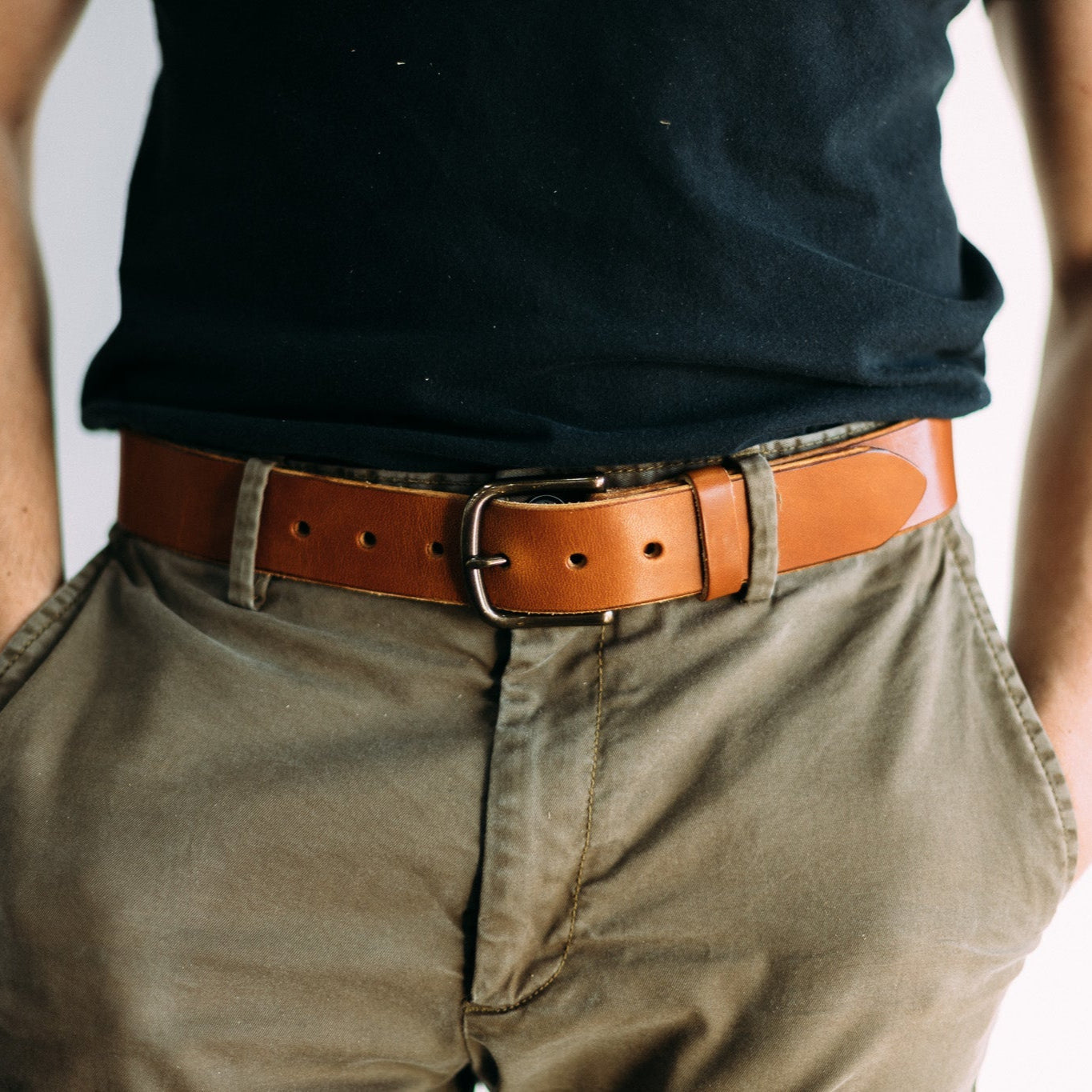
Warm browns together create cohesive presentation through color family consistency. Light tan through dark chocolate brown all coordinate when kept within the warm brown spectrum. The coordination need not be exact matching - complementary shades work beautifully - but should demonstrate intentional selection rather than random assembly.
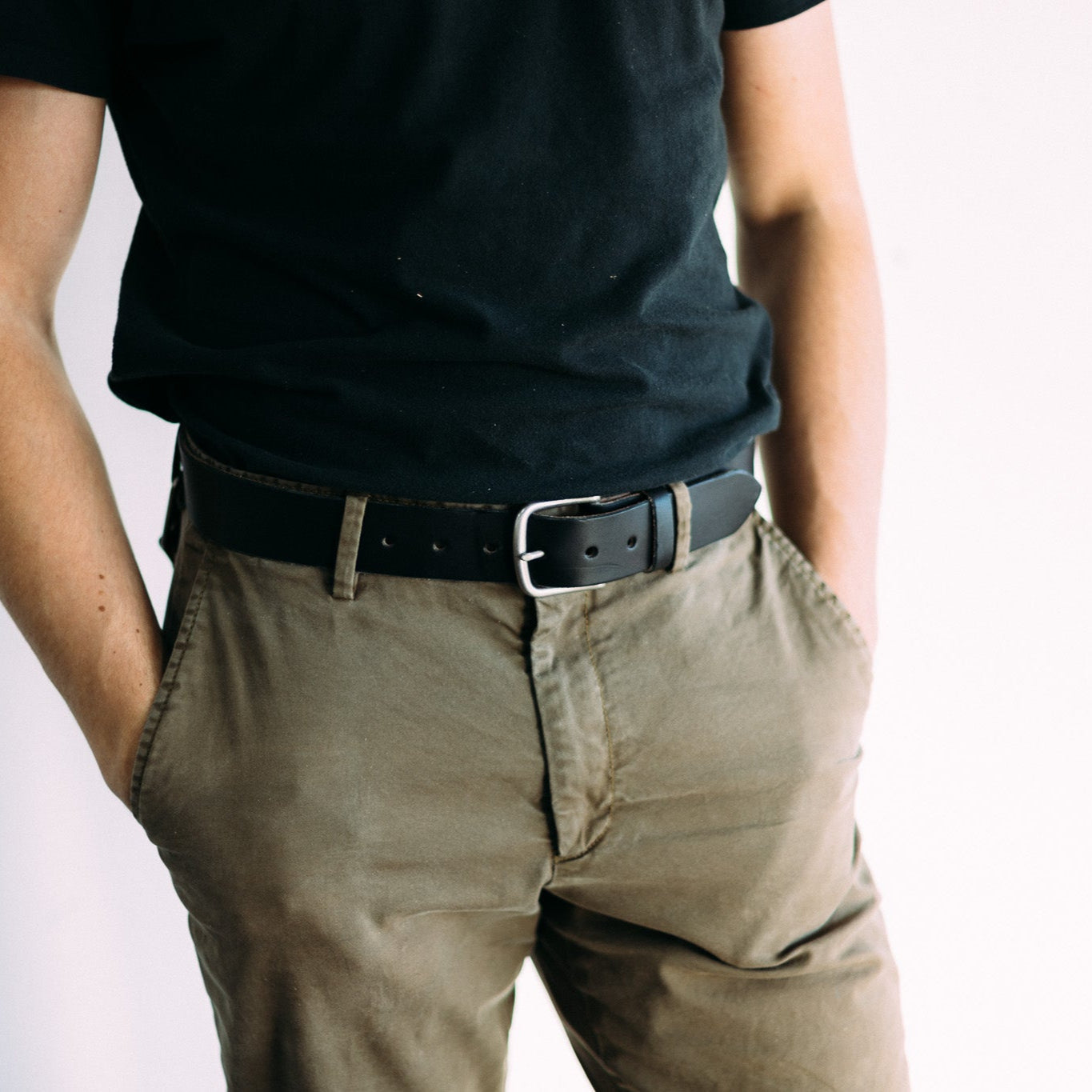
Cool blacks together maintain formal sophistication and visual unity. Black leather accessories coordinated with black shoes create traditional elegance appropriate for formal business and dress occasions. The cool severity limits versatility compared to brown but delivers unmatched formality when needed.
When to mix brown and black depends on context and confidence. Modern fashion accepts brown belts with black shoes in casual contexts where intentional styling reads as fashion-forward rather than accidentally mismatched. Conservative professional environments still expect traditional coordination while creative industries embrace mixing.
Exceptions and modern interpretations allow flexibility for style-conscious dressers. Fashion-forward professionals might deliberately pair brown accessories with black shoes when overall outfit demonstrates intentional styling. The key is making mixing appear deliberate rather than ignorant of traditional rules.
Matching Belt and Shoes
Traditional matching expectations establish coordination standards: brown belt with brown shoes, black belt with black shoes. This rule serves as default guidance ensuring appropriate presentation when other factors create uncertainty. Following traditional matching always works even when more creative approaches might also succeed.
Matching leather belt and shoes through close match versus exact match distinguishes practical from perfectionist approaches. Shoes and belt in the same color family - both medium browns, both dark browns - create satisfactory coordination without requiring identical shades. This practical standard proves realistic for building versatile collections.
Intentional contrast techniques break traditional rules deliberately for fashion-forward effect. Brown belt with black shoes can work when outfit elements tie the contrast together intentionally. This advanced technique requires understanding traditional rules before breaking them confidently.
Context-appropriate choices recognize that casual settings permit coordination flexibility impossible in formal environments. Weekend barbecues allow mixing that board meetings don't. Reading situational expectations and adjusting coordination standards accordingly demonstrates social awareness supporting professional success.
Wallet and Belt Coordination
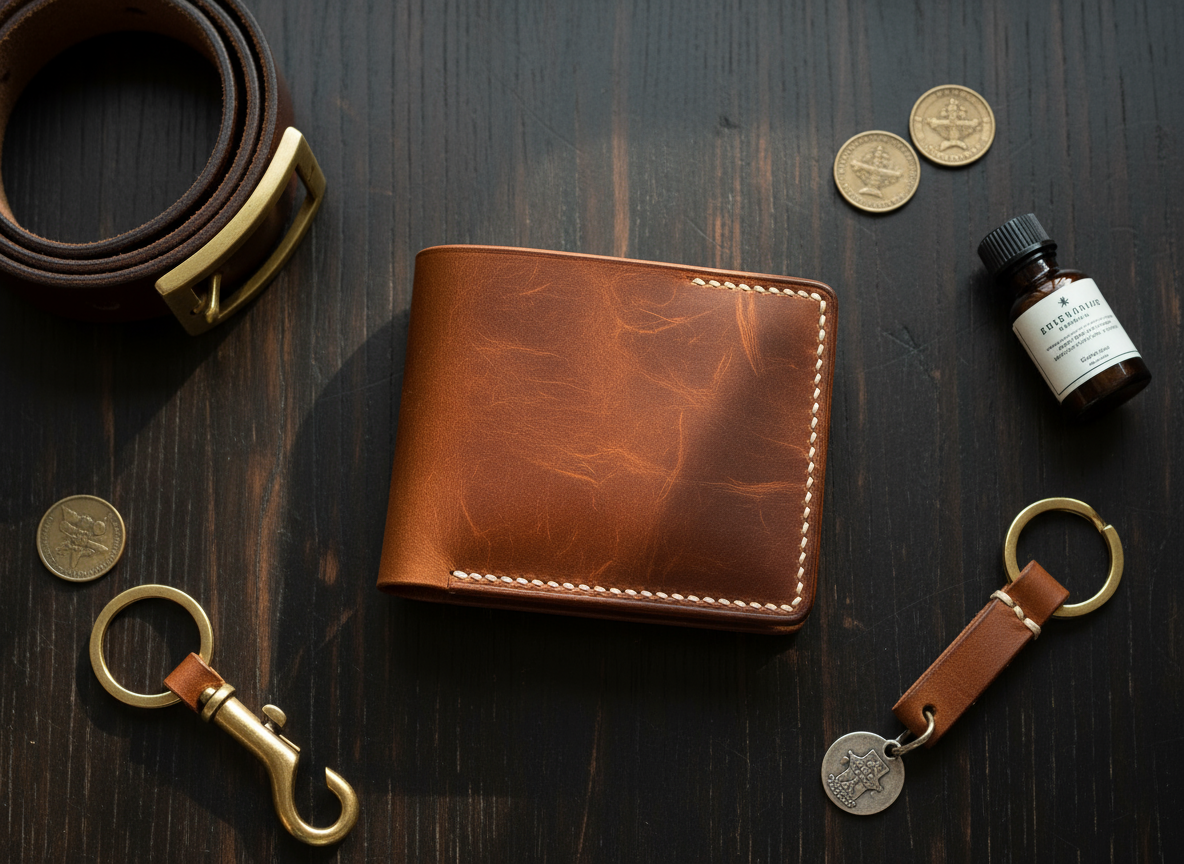
Matching leather tones between wallet and belt creates cohesive accessory presentation. Brown wallet with brown belt demonstrates attention to detail appreciated in professional settings. The coordination indicates thoughtful dressing rather than random accessory selection. This consistency matters most when accessories might be visible simultaneously.
Complementary versus identical shades affects presentation sophistication. Perfectly matched wallet and belt can appear overly coordinated and somewhat rigid. Complementary shades within the same brown family create more natural, confident presentation. This relaxed coordination works better in most contemporary contexts than perfect matching.
When coordination matters most includes professional environments where details communicate competence. Client-facing roles, formal business settings, and conservative industries place premium on accessory coordination. These contexts reward attention to traditional coordination standards.
Casual contexts with more freedom allow coordination flexibility impossible professionally. Weekend gatherings, outdoor activities, and relaxed social events permit accessory mixing that would appear careless in offices. Understanding context-specific expectations allows appropriate flexibility without careless mismatching.
Boardroom: Professional Leather Accessories
Formal Business Attire
Conservative color choices (black) dominate formal business accessories. Black leather belts, black leather shoes, black leather briefcases create unified formal presentation. The severity signals respect for formal context while maintaining traditional professional standards. Dark brown can substitute in less conservative environments, but black remains safest.
Refined belt widths and buckles measure 1 to 1.25 inches with simple frame buckles. The narrow proportions complement suit pants' trim fit while maintaining visual delicacy appropriate for formal wear. Buckles should be understated - polished or brushed metal rectangular frames without decorative elements or excessive size.
Professional wallet presentation emphasizes quality and discretion. Bifold wallets in black or dark brown leather provide appropriate formality and capacity. The wallet should appear fresh and well-maintained when visible during transactions, signaling attention to detail and quality standards.
Briefcase and bag coordination extends leather accessory matching to larger items. Briefcase leather should coordinate with belt and shoes through color family consistency. The bag's quality particularly matters since it remains visible throughout meetings while communicating professional status and organizational competence.
Business Casual Workplace
Brown leather versatility suits business casual environments better than black's formal severity. Medium brown accessories work with khaki, navy, gray, and denim while maintaining professional polish. The warmer tone allows slight personality expression within professional bounds.
Slightly relaxed buckle styles permit subtle character in business casual contexts. Rounded corner buckles, brushed finishes, or double-prong designs add interest while maintaining professionalism. The relaxation should be subtle - obviously casual buckles still appear inappropriate in professional settings.
Wallet options and visibility expand slightly in business casual environments. Slim wallets and minimalist bifolds work alongside traditional options. The reduced formality allows personal preference more influence while maintaining quality standards.
Balance between personality and polish defines successful business casual accessory selection. Too much personality risks appearing unprofessional while excessive conservatism seems outdated. Quality leather accessories in classic designs with subtle personal touches strike ideal balance.
Client-Facing Considerations
Quality signals professionalism to clients evaluating competence and attention to detail. Well-maintained leather accessories suggest broader organizational skills and care quality. Conversely, worn or cheap accessories undermine professional presentation regardless of other qualifications.
Subtle coordination demonstrates attention without obvious effort. Matching leather belt and shoes plus coordinated wallet creates cohesive presentation clients notice subconsciously. This attention to detail builds confidence in professional capabilities.
Well-maintained accessories matter tremendously in client interactions. Scuffed shoes, worn belts, or damaged wallets suggest carelessness extending to professional work. Regular maintenance preserving accessories' appearance protects professional reputation while demonstrating respect for client relationships.
Avoiding distraction through restraint keeps focus on professional content rather than accessories. Understated quality accessories support without demanding attention. This supporting role allows personality and competence to shine rather than accessory choices becoming conversation subjects.
Business Casual: The Bridge Style
Defining Business Casual Leather Accessories
More color flexibility includes medium to light browns, tans, and potentially burgundy leather. The expanded palette allows personal expression while maintaining professional appropriateness. This flexibility makes business casual more forgiving than formal business while still requiring coordination standards.
Textured leather acceptability allows character beyond smooth formal finishes. Pebbled grain leather, subtle embossing, or natural texture variations work in business casual contexts. The texture adds visual interest while remaining distinctly professional rather than casual.
Personality within professional bounds describes business casual's essential balance. Accessories can show character through color, texture, or subtle design details while maintaining quality and coordination standards. Finding this balance requires understanding company culture and industry norms.
Regional and industry variations significantly affect business casual standards. Tech companies in California embrace very casual business standards while finance firms in New York maintain stricter expectations. Understanding specific context prevents misjudging appropriateness.
Chinos and Button-Down Combinations
Belt color coordination with chinos follows straightforward guidelines. Khaki chinos pair with brown belts across the spectrum from tan to chocolate. Navy chinos work with brown or burgundy belts. Gray chinos accept black or brown belts depending on shoe color and overall outfit tone.
Casual buckle styles appropriate for business casual include those with subtle personality - brushed finishes, rounded corners, or understated decorative elements. The buckle should avoid formal severity while maintaining professional restraint. This middle ground matches chinos' professional-but-relaxed nature.
Wallet selection for business casual permits slight informality compared to formal business. Traditional bifolds remain appropriate while slim minimalist options also work well. The key is maintaining quality and appropriate condition rather than specific style requirements.
Bag options (messenger vs. briefcase) expand in business casual contexts. Traditional briefcases work alongside leather messenger bags and quality backpacks. The selection depends on practical needs and personal style while maintaining quality standards appropriate for professional environments.
Casual Weekend: Relaxed but Intentional
Jeans and Casual Pants
Wider belts for heavier denim complement material weight and casual aesthetic. Belts measuring 1.5 inches pair naturally with jeans' substantial fabric. The increased width maintains proportion while the added material provides durability for casual wear's rougher use.
Distressed leather character suits casual contexts through relaxed aesthetic. Leather showing wear, color variation, or natural markings complements denim's casual nature. This character would appear inappropriate professionally but enhances casual outfits' intentional relaxation.
Casual buckle choices allow personality expression impossible in professional settings. Larger buckles, western-inspired designs, or decorative elements all work for casual wear. The expanded options enable accessory choices reflecting personal style rather than professional requirements.
Comfortable wallet carry prioritizes function over presentation. Slim wallets for front pocket carry or relaxed bifolds work well. The reduced visibility compared to professional settings permits prioritizing comfort and function over appearance.
Outdoor Activities and Events
Durable leather performance becomes essential for activities exposing accessories to weather and physical stress. Quality full-grain leather withstands moisture, dirt, and impact while maintaining function. This durability enables using same accessories outdoors as professionally rather than requiring specialized alternatives.
Weather-resistant considerations include proper leather conditioning creating water resistance. Pre-treating leather before outdoor exposure protects against damage while maintaining natural appearance and flexibility. This preparation enables confident outdoor accessory use.
Practical functionality prioritizes over aesthetic refinement in outdoor contexts. Secure belt buckles, protective wallet construction, and durable bag materials matter more than visual perfection. Quality accessories balance both considerations successfully.
Style without stuffiness describes successful outdoor leather accessory use. Quality leather adds intentional polish even to casual outdoor wear without appearing out of place. This balance demonstrates style awareness transcending context-specific specialization.
Date Night and Social Events
Elevated casual presentation combines casual comfort with intentional styling. Quality leather accessories elevate jeans-and-shirt combinations through visible quality and thoughtful coordination. This elevation demonstrates care about presentation without formal stuffiness.
Dark denim and leather combinations create sophisticated casual aesthetic appropriate for date nights and social events. Dark jeans paired with quality brown leather belt and coordinated wallet and shoes achieve polished casualness perfect for evening social contexts.
Wallet as style statement works in social contexts where professional discretion isn't required. Interesting wallet designs, quality materials, and thoughtful selection become conversation pieces demonstrating style awareness and appreciation for quality craftsmanship.
Coordinated but not matching describes ideal accessory presentation for social events. Leather accessories in complementary tones demonstrate attention without appearing rigidly matched. This relaxed coordination reads as natural style confidence rather than obsessive coordination.
Barbecue and Outdoor Social: Fully Casual
Summer Gatherings
Shorts and belt considerations recognize that shorts create different proportion challenges than pants. Slimmer belts (1 to 1.25 inches) work better with shorts' lighter visual weight. The reduced belt width maintains proportion without overwhelming shorts' casual simplicity.
Light-colored leather options including tan and cognac suit summer gatherings through seasonal appropriateness. Lighter leather tones coordinate with summer's lighter clothing colors while visually feeling appropriate for warm weather. The seasonal alignment enhances overall presentation.
Relaxed buckle styles permit maximum personality expression in fully casual contexts. Western buckles, decorative elements, or unique designs all work at barbecues and outdoor gatherings. The freedom from professional constraints allows accessories reflecting personal style completely.
Minimalist wallet approach suits outdoor casual events where carrying essentials matters more than capacity. Slim card holders with just license and payment cards plus small cash amount enable secure minimal carry appropriate for active outdoor socializing.
Matching Leather Belt and Shoes
Color Matching Fundamentals
Brown belt with brown shoes represents the universal standard for matching leather belt and shoes. The browns need not match exactly - complementary shades within the warm brown family create satisfactory coordination. This foundation rule guides appropriate presentation across contexts.
Black belt with black shoes maintains traditional formal coordination. The severe color matching creates unified formal presence appropriate for conservative business and formal dress occasions. Deviating from this coordination appears careless in formal contexts despite casual flexibility.
Tan and cognac variations expand brown coordination options. Light tan belts work with tan, light brown, and medium brown shoes. Cognac belts coordinate with similar mid-tone brown shoes. The key is maintaining tonal consistency rather than achieving exact color matching.
Oxblood and burgundy coordination works with dark brown or matching burgundy belts. The wine-toned leather creates sophisticated alternative to basic brown while maintaining warm tone coordination principles. This refined color choice suits business casual and smart casual particularly well.
When Close Enough Works
Different brown shades together work well when maintaining tonal consistency. Light brown shoes with medium brown belt appear intentionally coordinated rather than accidentally mismatched. The key is keeping both items in warm brown family without sharp contrast creating obvious difference.
Texture differences compensating for slight color variations allow coordination through tactile rather than purely visual matching. Smooth leather belt with textured leather shoes creates visual interest while the shared brown family maintains color coordination. This sophisticated approach works particularly well in casual contexts.
Casual contexts allowing flexibility permit coordination standards impossible professionally. Weekend wear, outdoor activities, and social events accept coordination approximation that would appear careless in offices. Understanding context-appropriate standards enables appropriate flexibility.
Patina creating natural variation means perfectly matched accessories diverge over time. Leather aging at different rates creates natural color variation between pieces. This variation reads as natural character development rather than poor coordination when all pieces show quality and care.
Seasonal Leather Accessory Strategies
Spring and Summer Coordination
Lighter leather tones including tan, cognac, and light brown suit spring and summer through seasonal color alignment. These warmer, lighter shades coordinate with season's lighter clothing colors while feeling visually appropriate for warm weather. The seasonal coordination creates cohesive presentation.
Breathable designs matter less for belts and wallets than bags but consideration of summer conditions affects material finishing. Lighter-finished leather without heavy coating allows any airflow while properly conditioned leather resists sweat damage from summer heat.
Maintenance in humid conditions requires more frequent cleaning and conditioning. Summer heat and humidity can damage leather through moisture absorption and mold growth. Weekly spot-cleaning and monthly conditioning prevents damage while maintaining appearance through challenging conditions.
Fresh versus worn appearance considerations recognize that summer's lighter clothing shows accessory condition more clearly. Maintaining fresh appearance through regular cleaning matters more in summer when fewer clothing layers provide less concealment. Well-maintained accessories enhance rather than detract from summer outfits.
Fall and Winter Matching
Darker, richer leather colors suit fall and winter through seasonal appropriateness. Deep chocolate brown, burgundy, and black leather coordinate with season's deeper clothing colors while visually feeling appropriate for cooler weather. The seasonal alignment creates natural coordination.
Cold-weather durability requires leather properly conditioned against moisture and temperature extremes. Winter's wet conditions demand water-resistant treatment while cold temperatures can stiffen poorly conditioned leather. Proper preparation maintains function and appearance through challenging conditions.
Coordination with outerwear extends leather accessory matching to coats and jackets. Leather belt and shoes should coordinate with leather jacket, coat trim, or other outerwear leather elements. This comprehensive coordination creates polished cold-weather presentation.
Seasonal rotation benefits both accessories and presentation. Using lighter leather spring through fall and darker leather fall through spring extends individual piece longevity while maintaining seasonally appropriate aesthetics. This rotation prevents year-round wear on single pieces.
Conclusion
Learning how to match leather accessories across all contexts - from boardroom formality to barbecue casualness - simplifies wardrobe decisions while ensuring appropriate presentation everywhere. Matching leather belt and shoes provides foundation for cohesive accessory coordination, while quality materials and classic designs enable accessories transitioning seamlessly between professional and casual contexts.
Quality leather accessories designed for versatility eliminate the need for specialized collections serving single purposes. The same excellent belt works at formal meetings and weekend gatherings when styled appropriately, delivering superior value while reducing wardrobe complexity. This versatile approach aligns with both practical efficiency and sophisticated style understanding.
Ready to build a coordinated leather accessory collection working everywhere? Explore handcrafted belts, versatile wallets, and quality leather goods designed for multi-context excellence. Have questions about coordinating accessories for your specific lifestyle? Contact us to discuss strategies for building versatile collections serving boardroom to barbecue.