Belts, Boots & Beyond: Building a Cohesive Leather Look
Creating a polished, intentional appearance requires more than selecting quality individual pieces - it demands understanding how to match leather accessories into cohesive presentations greater than their parts. From matching leather belt and shoes to coordinating wallets, bags, and other leather goods, building harmonious leather looks separates well-dressed individuals from those who simply own nice things. This comprehensive guide reveals strategies for creating unified leather aesthetics across all accessories.
The Philosophy of Cohesive Leather Styling
Why Coordination Matters
Visual harmony in complete outfits creates immediate positive impressions before any words are spoken. When belt, boots, wallet, and bag coordinate naturally, the presentation communicates attention to detail and intentional styling. This cohesion appears effortless despite requiring thoughtful planning and strategic collection building.
Demonstrating attention to detail through coordinated leather accessories signals broader competence and care. Professional contexts particularly reward this attention - clients and colleagues subconsciously register coordination quality as an indicator of general reliability and thoroughness. The correlation may be irrational, but the psychological impact remains powerful.
Creating signature personal style develops through consistent leather coordination choices. Whether favoring warm browns across all accessories or maintaining strict black coordination, the consistency becomes recognizable and memorable. This signature approach builds personal brand recognition in professional and social contexts.
Professional and social impressions form rapidly based on visual cues including accessory coordination. First meetings, interviews, networking events, and dates all involve quick assessments where coordinated leather presentation contributes to positive overall impressions. While not determinative alone, coordination supports broader presentation goals.
Beyond Matching: Coordinating vs. Exact Matching
Complementary tones versus identical shades distinguishes sophisticated coordination from rigid matching. Belt and boots in the same brown family - one medium, one slightly darker - create more natural presentation than perfectly matched items. This relaxed coordination demonstrates confidence rather than perfectionism.
When exact matching works includes formal business contexts and traditional professional environments. Conservative industries and formal occasions sometimes expect precise belt-and-shoe matching. Understanding context-specific expectations prevents coordination misjudgments while allowing flexibility elsewhere.
Modern flexibility in coordination permits mixing once forbidden. Brown belts with black boots occasionally work in casual contexts when overall outfit demonstrates intentional styling. Fashion-forward professionals increasingly embrace this flexibility while conservative environments maintain traditional standards.
Building confidence in choices requires understanding coordination principles rather than following rigid rules. Once the underlying logic becomes clear - color families, formality levels, texture coordination - personal judgment develops enabling context-appropriate decisions without constant rule consultation.
Building a Leather Wardrobe System
Starting with core colors establishes the foundation for expandable coordinated collections. Medium brown and black leather accessories serve as universal base colors working with most wardrobes. These foundational pieces enable successful coordination before adding specialized colors.
Expanding strategically prevents random accumulation undermining coordination possibilities. Each new leather accessory should coordinate with existing pieces or serve specific new purpose justifying collection expansion. This discipline maintains cohesion while building comprehensive collections serving varied needs.
Maintaining consistency across purchases over years requires remembering existing collection when acquiring new pieces. Taking photos of current leather accessories for reference when shopping prevents purchasing items that clash with existing pieces. This proactive approach protects coordination goals.
Avoiding collection chaos demands periodic editing removing items no longer serving coordination or functional goals. Leather accessories that don't coordinate with anything else or haven't been used in six months probably don't deserve continued space. Regular editing maintains curated collections rather than cluttered assemblages.
Foundation Piece: Selecting Your Belt Color Palette
The Two-Belt Foundation
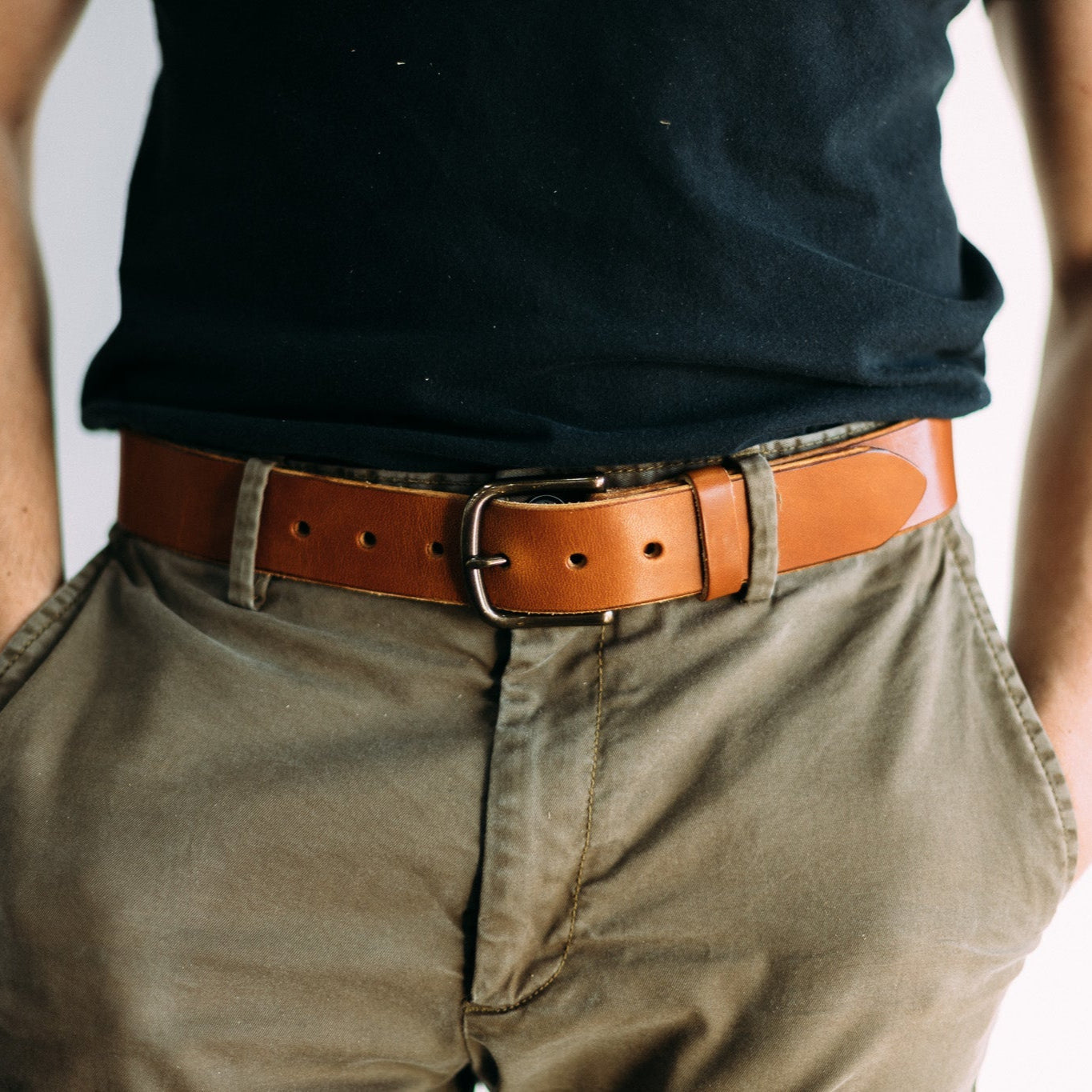
Brown as primary versatile choice serves the majority of coordination needs across professional and casual contexts. Medium brown leather belts coordinate with most shoe colors, pant colors, and contexts. This single color choice handles business casual offices, smart casual events, and weekend wear successfully.
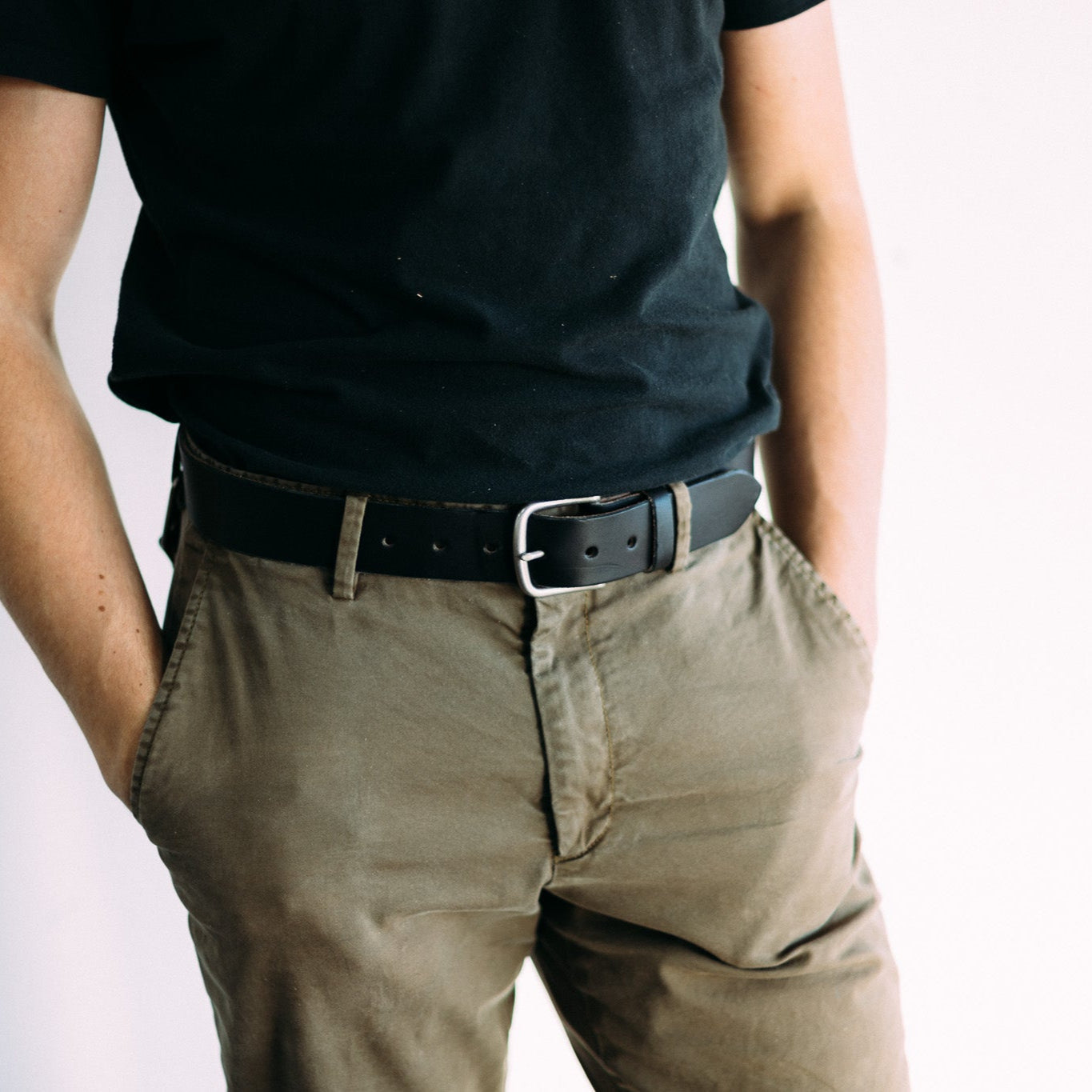
Black as formal alternative complements the brown foundation covering formal business and dress occasions. Black leather maintains severity and tradition necessary for conservative professional environments and formal events. The two-color approach - one brown, one black - covers virtually all coordination needs economically.
Why these two cover most needs stems from their universal acceptance and broad coordination possibilities. Brown works with brown, tan, burgundy, and occasionally black shoes while black coordinates with black shoes exclusively. Together they enable appropriate coordination across the complete formality and casualness spectrum.
Investment priorities favor quality over quantity in foundation pieces. Rather than owning five mediocre belts, two excellent belts in brown and black deliver superior daily experience and longer lifespan. Quality foundation pieces justify higher prices through decades of reliable coordination service.
Expanding to Three or Four Belts
Medium brown for daily wear becomes the workhorse in three-belt collections. This versatile tone works from business casual offices to weekend activities providing maximum wear frequency. The daily use justifies premium quality investment since cost amortizes over thousands of wearing days.
Dark brown for fall and winter adds seasonal appropriateness to belt rotation. Chocolate or espresso brown coordinates with fall and winter's deeper clothing colors while visually feeling appropriate for cooler weather. The seasonal coordination maintains fresh appearance throughout year while extending individual belt lifespans through rotation.
Tan or cognac for summer brings warmth appropriate to summer's lighter colors and warmer weather. Light brown coordinates with khaki, light denim, and summer's earth tones while the lighter shade feels seasonally aligned. This summer option completes comprehensive rotation covering all seasons appropriately.
When to add specialty belts depends on specific lifestyle needs beyond typical coordination requirements. Western-style buckles for ranch work or outdoor activities, dress belts with minimal buckles for black-tie occasions, or textured leather for extremely casual settings serve specialized rather than daily needs.
Belt Quality Indicators
Full-grain leather importance cannot be overstated for belts serving as coordination foundations. Lesser leather grades deteriorate visibly while full-grain develops beautiful patina maintaining structural integrity indefinitely. The quality enables belts to age gracefully while coordinating with newer and older accessories naturally.
Hardware durability ensures buckles maintain function and appearance through decades of daily use. Solid brass buckles resist corrosion while developing natural patina complementing leather aging. Chrome or stainless steel maintains shine indefinitely. Either choice proves superior to plated hardware that tarnishes and fails prematurely.
Construction methods distinguish handcrafted quality from mass-produced alternatives. Hand-stitching using waxed thread creates permanent joins withstanding stress indefinitely. Edge finishing quality - smooth, sealed edges - indicates careful manufacturing and predicts longevity. These construction details matter more for foundation pieces than specialty belts.
Lifetime value calculations justify premium pricing for quality foundation belts. A $150 belt lasting 20 years costs $7.50 annually while providing superior coordination throughout its life. Three $50 belts lasting 5 years each cost $30 annually while delivering inferior experience. Quality investment proves economically sound beyond aesthetic benefits.
Boots: Anchoring Your Leather Look
Boot Color Selection Strategy
Brown boots as versatile foundation mirror belt color strategy. Medium brown boots coordinate with brown, tan, burgundy, and occasionally black belts while working across casual to business casual contexts. This foundational choice enables confident coordination across most daily situations.
Black boots for formal and urban contexts serve professional offices and formal occasions requiring traditional coordination. Black boots with black belts create unified severe presentation appropriate for conservative environments. The urban context reflects black leather's association with contemporary city styling.
Tan boots for casual and summer settings provide light-colored option coordinating with summer belts and casual wear. The lighter shade works with shorts, light chinos, and summer's relaxed contexts while maintaining intentional styling through quality and thoughtful coordination.
Coordinating boot color with belt collection requires advance planning ensuring compatible acquisitions. Before purchasing boots, considering how they'll coordinate with existing belts prevents orphan pieces lacking coordination partners. This proactive approach maintains collection cohesion.
Boot Styles and Formality
Dress boots for business pair with business casual and smart casual outfits maintaining polish without formal severity. Chelsea boots, chukkas, or cap-toe boots in smooth leather coordinate with dress pants and quality denim while maintaining professional appropriateness. These styles bridge formal and casual successfully.
Chelsea boots for versatility work across the widest range of contexts through clean design and moderate formality. The slip-on style suits business casual offices and casual weekends equally well. Smooth leather Chelseas coordinate with belts across formality spectrum making them excellent versatile additions.
Work boots for casual and rugged contexts bring durability and character to weekend wear and outdoor activities. Heavier construction, textured leather, and prominent stitching all signal casual orientation. These boots coordinate with casual belts and jeans while appearing out of place in professional settings.
Matching boot style to occasion ensures appropriate formality while maintaining coordination. Smooth dress boots coordinate with business belts and dress pants. Rugged work boots pair with casual textured belts and jeans. Understanding style implications prevents formality mismatches.
Matching Leather Belt and Shoes
The Traditional Matching Rule
Brown belt with brown boots or shoes establishes the fundamental matching leather belt and shoes principle. The coordination demonstrates traditional menswear understanding while creating visual harmony. This rule serves as default guidance ensuring appropriate presentation when other factors create uncertainty.
Black belt with black boots or shoes maintains formal tradition essential in conservative professional and formal social contexts. The strict coordination signals respect for traditional standards expected in law, finance, and formal events. Deviating appears careless or ignorant rather than creatively stylish.
Why this rule persists stems from its reliable success and instant visual harmony creation. The coordination eliminates guesswork while ensuring appropriate presentation. Following the rule guarantees acceptability even if more creative approaches might also work. This safety makes the rule valuable for coordination beginners.
When to follow strictly includes professional environments, formal occasions, and situations where misjudging appropriateness carries consequences. Client meetings, job interviews, formal events, and conservative social contexts all reward traditional coordination while punishing creative experimentation. Reading context determines whether strict adherence proves necessary.
Close Match vs. Exact Match
Same color family coordination permits practical flexibility while maintaining visual harmony. Light brown belt with medium brown boots both qualify as brown coordination despite shade difference. The complementary tones create intentional-appearing coordination without demanding identical shades impossible to maintain across different leather pieces aging differently.
Acceptable shade variations span approximately three tones within color families. Tan, medium brown, and dark brown all coordinate successfully despite obvious shade differences. The key is maintaining warm or cool undertones consistently - mixing warm and cool browns creates clashing rather than coordinating.
Texture compensating for color differences allows sophisticated coordination through tactile rather than purely visual matching. Smooth leather belt with pebbled grain boots both in brown family creates visual interest while maintaining color coordination. This approach adds sophistication beyond basic matching.
Building flexible wardrobes depends on understanding close-match principles enabling confident mixing. Rather than requiring exact matches limiting coordination possibilities, accepting close coordination within color families expands usable combinations dramatically. This flexibility makes coordinated dressing practical rather than perfectionist obsession.
Breaking Rules Intentionally
Modern mixing approaches include deliberately pairing brown belts with black boots in casual contexts demonstrating fashion awareness. This rule-breaking works when overall outfit shows intentional styling rather than accidental mismatching. The key is making mixing appear deliberately chosen rather than ignorantly assembled.
Brown with black in casual contexts particularly works when third elements tie the contrast together. Brown belt and brown boots with black jeans or black belt and black boots with brown jacket both demonstrate intentional contrast rather than failed coordination. Context and confidence determine success.
When confidence matters more than rules recognizes that self-assured styling often succeeds regardless of traditional standards. Fashion-forward individuals breaking coordination rules confidently often look more stylish than rigid rule-followers. However, this confidence requires genuine style understanding rather than ignorance disguised as boldness.
Reading situational appropriateness determines when rule-breaking works versus appears careless. Creative industry events and casual social situations permit mixing impossible in conservative professional environments. Understanding audience expectations and consequences prevents misjudging when creativity works versus when tradition mandates.
Seasonal Boot and Belt Coordination
Lighter leathers for spring and summer maintain seasonal appropriateness through color alignment with season's lighter clothing. Tan and cognac boots with matching belts coordinate with khaki, light denim, and summer's earth tones while visually feeling right for warm weather. The seasonal alignment enhances overall coordination.
Darker tones for fall and winter bring richness appropriate to cooler months. Chocolate and espresso browns, burgundy, and black all suit fall and winter through depth coordinating with season's deeper colors. The seasonal rotation maintains fresh appearance while distributing wear across multiple pieces.
Transitional pieces for year-round use include medium browns working across seasons without appearing seasonally misaligned. These versatile options enable simplified coordination for people preferring minimal seasonal rotation or living in consistent climates lacking pronounced seasonal changes.
Rotating collections seasonally extends individual piece lifespans while maintaining appropriate seasonal aesthetics. Storing summer boots and belts during winter prevents year-round wear on single items while ensuring seasonally coordinated presentation. This rotation proves particularly valuable for quality pieces justifying careful preservation.
Wallets: The Hidden Coordination Element
Should Wallets Match Belts?
Traditional expectations established that wallets should coordinate with belts and shoes creating unified leather presentation. Conservative professional environments particularly valued this comprehensive coordination demonstrating attention extending to all details. The tradition persists in formal contexts while relaxing elsewhere.
Modern flexibility permits wallets in colors different from belts provided quality and appropriateness remain consistent. A brown belt with black wallet both in quality leather reads as intentional choice rather than coordination failure. The key is ensuring both pieces demonstrate comparable quality levels preventing visual discord.
When coordination matters most includes situations where wallet visibility is likely - business transactions, formal events, client meetings. These contexts reward comprehensive coordination while casual settings where wallets remain pocketed allow more flexibility. Understanding visibility likelihood guides coordination decisions.
Personal preference factors increasingly influence wallet coordination as formality standards relax. Some people appreciate comprehensive coordination satisfaction while others prioritize wallet function over appearance coordination. Both approaches work provided quality standards maintain across all accessories.
Wallet Color Strategy
Matching belt collection colors creates easiest coordination maintaining visual harmony. Wallets in brown and black mirror two-belt foundation enabling automatic coordination regardless of belt selection. This matching approach guarantees harmony while simplifying daily decisions.
Standalone neutral options include wallets in gray or natural leather coordinating with both brown and black belts. These neutral alternatives provide coordination flexibility while reducing wallet collection requirements. Single neutral wallet serves all coordination needs when preferred over multiple color-matched options.
When wallets can differ from belts includes casual contexts where visibility remains minimal and formality standards relax. Weekend activities, casual social events, and situations where wallets stay pocketed all permit wallet-belt color differences without appearance consequences.
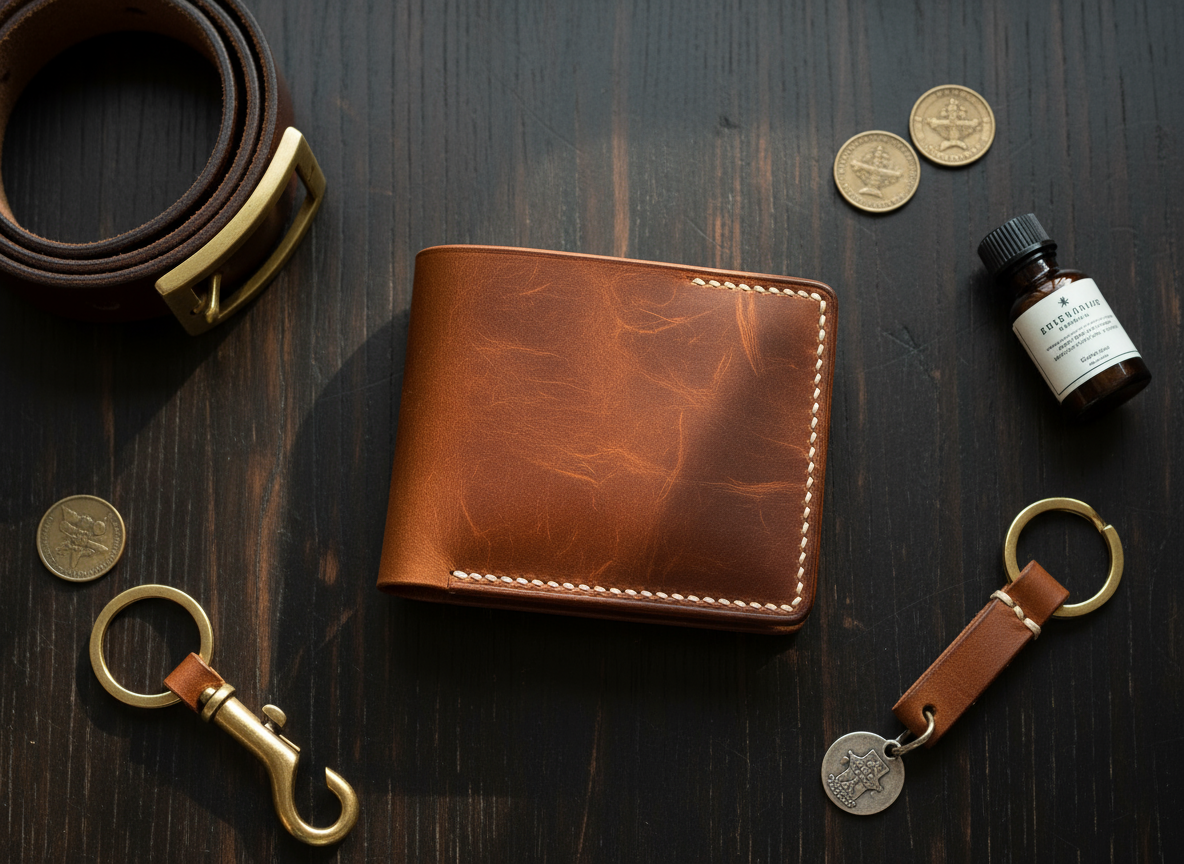
Building coordinated sets of matching leather accessories - belt, wallet, and potentially bag all in same color - creates comprehensive harmony appreciated by coordination enthusiasts. These sets simplify coordination while creating signature consistent aesthetic. Quality leather allows sets to age together developing related patinas maintaining coordination indefinitely.
Beyond Basics: Additional Leather Accessories
Watch Straps and Coordination
Leather strap color matching extends coordination to wristwear creating complete unified presentation. Brown leather watch strap with brown belt demonstrates comprehensive attention appreciated in professional contexts. The coordination proves particularly visible since watch and belt appear simultaneously in most situations.
Metal watches with leather belts create mixed-media coordination focusing on hardware matching rather than leather. Silver watch case coordinates with silver belt buckle while gold watches pair with brass buckles. This metal coordination maintains harmony without leather color requirements.
NATO fabric straps or other non-leather watch bands eliminate coordination considerations entirely. These alternatives work with any leather belt color without creating coordination conflicts. This flexibility appeals to people preferring simplified coordination or sporting varied leather accessories.
Seasonal watch rotation can mirror belt and boot rotation maintaining consistent seasonal coordination. Lighter leather watch straps for summer coordinate with tan belts and boots. Darker leather straps for winter pair with chocolate brown accessories. This comprehensive coordination creates unified seasonal aesthetics.
Bags and Briefcases
Coordinating with belts and boots extends leather harmony to larger carried items creating complete presentation. Leather messenger bag or briefcase matching belt and boot colors demonstrates consistent coordination extending to all leather accessories. This comprehensive approach particularly impresses in professional contexts.
When bags should match closely includes professional environments where bags remain visible throughout interactions. Briefcases carried into client meetings or messenger bags worn in offices benefit from close coordination with other visible leather accessories. The coordination creates polished presentation.
Building bag collection strategically follows same principles as belts and boots - foundational neutral colors first, specialized options later. Brown leather bag serves most professional and casual needs. Black leather bag suits formal business. Additional colors add variety once foundation established.
Investment priorities for bags warrant premium spending since bags remain constantly visible while experiencing rough use. Quality construction and leather ensure bags age gracefully while coordinating with other accessories throughout decades. Cheap bags undermine otherwise coordinated presentations through obvious quality disparities.
Smaller Leather Goods
Keychains and cardholders provide additional coordination opportunities for detail-oriented enthusiasts. While visibility remains minimal, coordinated small leather goods create satisfaction in comprehensive aesthetic unity. These accessories also provide testing opportunities for new colors before committing to larger pieces.
Phone cases and tech accessories increasingly use leather bringing coordination considerations to modern items. Leather phone cases, tablet sleeves, and laptop cases can coordinate with other leather accessories creating contemporary unified aesthetics. The coordination extends traditional principles to modern contexts.
Dopp kits and travel items benefit from coordination simplifying packing and maintaining unified presentation during travel. Leather toiletry cases, passport covers, and travel organizers all coordinating with daily accessories create cohesive travel presentation while simplifying coordination even away from home.
Creating complete coordinated sets across all leather accessories represents the ultimate coordination achievement. Every leather item from belt to keychain coordinating within same color family creates comprehensive harmony satisfying for coordination enthusiasts while demonstrating exceptional attention to detail.
Color Families: Building Cohesive Palettes
The Brown Family Strategy
Warm browns from tan to chocolate encompass wide range enabling variety within coordination. All browns sharing warm undertones - leaning toward red or orange rather than gray - coordinate successfully despite obvious shade differences. This broad family enables diverse collection maintaining harmony.
Keeping within same undertones proves essential for successful brown family coordination. Warm browns together look intentional while mixing warm and cool browns creates clashing. Evaluating undertones requires comparing leather in natural light against known warm or cool references.
Acceptable variation range within brown family spans approximately four shades. Tan, cognac, medium brown, and chocolate all coordinate successfully. Beyond this range coordination starts appearing random. The range provides substantial variety without losing cohesion.
Creating natural coordination within brown family requires no special effort once all pieces share warm undertones. New acquisitions automatically coordinate with existing brown accessories when undertone consistency maintained. This natural harmony rewards initial careful undertone selection.
The Black Leather Approach
Strict black coordination limits complexity through color elimination. All leather accessories in black creates foolproof coordination impossible to mess up. The approach suits people preferring simplicity or working in conservative environments expecting black accessories.
When to use black exclusively includes formal business, conservative professional contexts, and personal preference for severe aesthetic. Black leather creates unified severe presentation communicating tradition and formality. The limitation is reduced versatility compared to brown family's flexibility.
Adding texture for interest prevents all-black coordination from appearing monotonous. Smooth leather belt with pebbled grain wallet both black creates visual variety through tactile difference while maintaining color coordination. Texture variation adds sophistication to color consistency.
Black leather limitations include reduced casualness - black leather maintains formality even in casual contexts. Additionally black coordinates only with black shoes limiting footwear options. These constraints trade versatility for simplified coordination and severe aesthetic.
Mixing Warm and Cool Tones
When mixing works includes intentional contrast creating deliberate style statements. Brown leather jacket with black leather belt and black boots creates contrast when outfit demonstrates overall intentional styling. The mixing appears creative rather than accidentally mismatched.
When to avoid mixing includes situations where coordination expectations remain traditional. Professional environments, formal occasions, and conservative contexts expect traditional same-tone coordination. Creative mixing appears careless rather than stylish in these situations.
Transitional pieces bridging tones provide coordination flexibility rare otherwise. Gray leather accessories work with both brown and black creating neutral options coordinating with everything. These bridges simplify coordination for people maintaining both brown and black accessories.
Advanced coordination techniques leverage mixing creating sophisticated presentations beyond basic coordination. These techniques require strong style foundation and confident execution but enable unique presentations distinguishing wearers from basic coordinators. Mastery comes through experimentation and observation.
Accent Colors and Specialty Pieces
Burgundy and oxblood coordination works within warm brown family creating rich alternative. Wine-toned leather coordinates with brown and occasionally black depending on specific shades. The sophisticated color appeals to people wanting personality beyond basic brown or black.
Navy leather integration remains challenging since navy reads as cool tone clashing with warm browns while appearing too casual for black formality. Navy leather works best as standalone color rather than coordinating with browns or blacks. Limited coordination possibilities reduce navy's versatility.
Gray leather as neutral provides rare cool-tone option coordinating broadly. Medium gray works with black and surprisingly well with brown creating versatile alternative to brown-or-black binary. Gray appeals to modern aesthetic while maintaining neutral coordination properties.
When to add color beyond basics depends on confident foundation establishment first. After brown and black bases coordinate reliably, accent colors add variety. However premature color addition creates coordination challenges undermining foundation stability. Patience rewards with successfully coordinated expanded collections.
Building Your Coordinated Collection
Starting with Essentials
First purchases that matter most establish coordination foundation enabling all future additions. Quality brown leather belt and brown boots create versatile coordination base. Black belt and black boots add formal option. Quality brown wallet completes essential trio.
Building around core pieces means evaluating all potential additions for coordination with foundation items before purchasing. Will new brown boots coordinate with existing brown belt? Does potential bag color clash with current collection? This evaluation protects coordination goals.
Investment timeline recognizes quality collection building requires years not months. Rushing collection completion typically results in poor coordination and compromised quality. Patience allowing careful selection ensures each addition enhances rather than dilutes collection cohesion.
Conclusion
Mastering how to match leather accessories creates polished presentations demonstrating attention to detail across all style elements. From matching leather belt and shoes to coordinating wallets, bags, and smaller leather goods, building cohesive looks requires understanding color families, formality levels, and strategic collection development. The investment in coordinated leather accessories pays dividends through decades of refined presentation.
Quality pieces in coordinated colors age together developing related patinas maintaining harmony indefinitely. This synchronized aging creates living collections telling ownership stories while maintaining coordination despite natural leather evolution. Building these collections requires patience, quality investment, and consistent attention to coordination principles rewarding efforts through lifelong refined presentation.
Ready to build a comprehensively coordinated leather collection? Explore handcrafted leather accessories designed for harmonious coordination at Lost Dutchman Leather. Have questions about building coordinated sets or matching specific pieces? Contact us to discuss creating cohesive leather looks serving your professional and personal style goals.