Why You Shouldn't Condition Your Wallet as Often as You Think
Most gear does not need conditioning for the first year. That contradicts dozens of leather care blogs, but it is entirely true. You must learn how often to condition leather wallet materials correctly.
The industry created a conditioning culture that benefits product sales. Full-grain hides arrive from the tannery with necessary oils intact. Vegetable-tanned materials contain natural fats that protect fibers for months.
When you add conditioner too early, you heavily oversaturate the material. This oversaturation makes the item soft and completely loses its shape. This leather wallet care guide explains how to avoid these common mistakes.
What Happens Inside Leather Fibers
Leather is simply preserved skin. The tanning process does not change the fact that it remains a protein network. You must focus on protein fiber network preservation carefully.
Those fibers need some oil to stay highly flexible. Too little oil makes them brittle. Too much oil ruins their structure. Think of quality hide like a desert cactus.
A cactus stores its own water and thrives on neglect. Overwatering kills the plant much faster than a drought ever could. The tanning process locks essential oils deeply into the hide. Natural tannin moisture retention keeps the material highly stable for months.
The Real Timeline for Leather Conditioning
A new handmade leather wallet contains enough oils for eighteen months naturally. Normal use provides body heat and occasional moisture from your hands. Knowing exactly how often to condition leather wallet gear saves you money.
After the first year, minor changes finally appear. The surface might feel slightly dry or less supple overall. Those are the genuine signs that conditioning makes sense.
Most people maintain their gear every few months because of marketing. Leather does not metabolize conditioner the way living skin uses lotion. During the first twelve months, no conditioning is needed at all.
Why Over-Conditioning Ruins Wallets
Conditioner adds heavy oils and waxes to the material. When applied to saturated material, those extra oils have nowhere to go. They force their way between fibers and destroy the tight structure.
Over-conditioning leather stretches the pockets permanently. Proper protein fiber network preservation ensures your gear retains its rugged structure. Card slots that once held tightly now let cards slide out.
A customer conditioned his new franklin wallet every single month. He brought it back because the material became completely floppy. The finish changes drastically too.
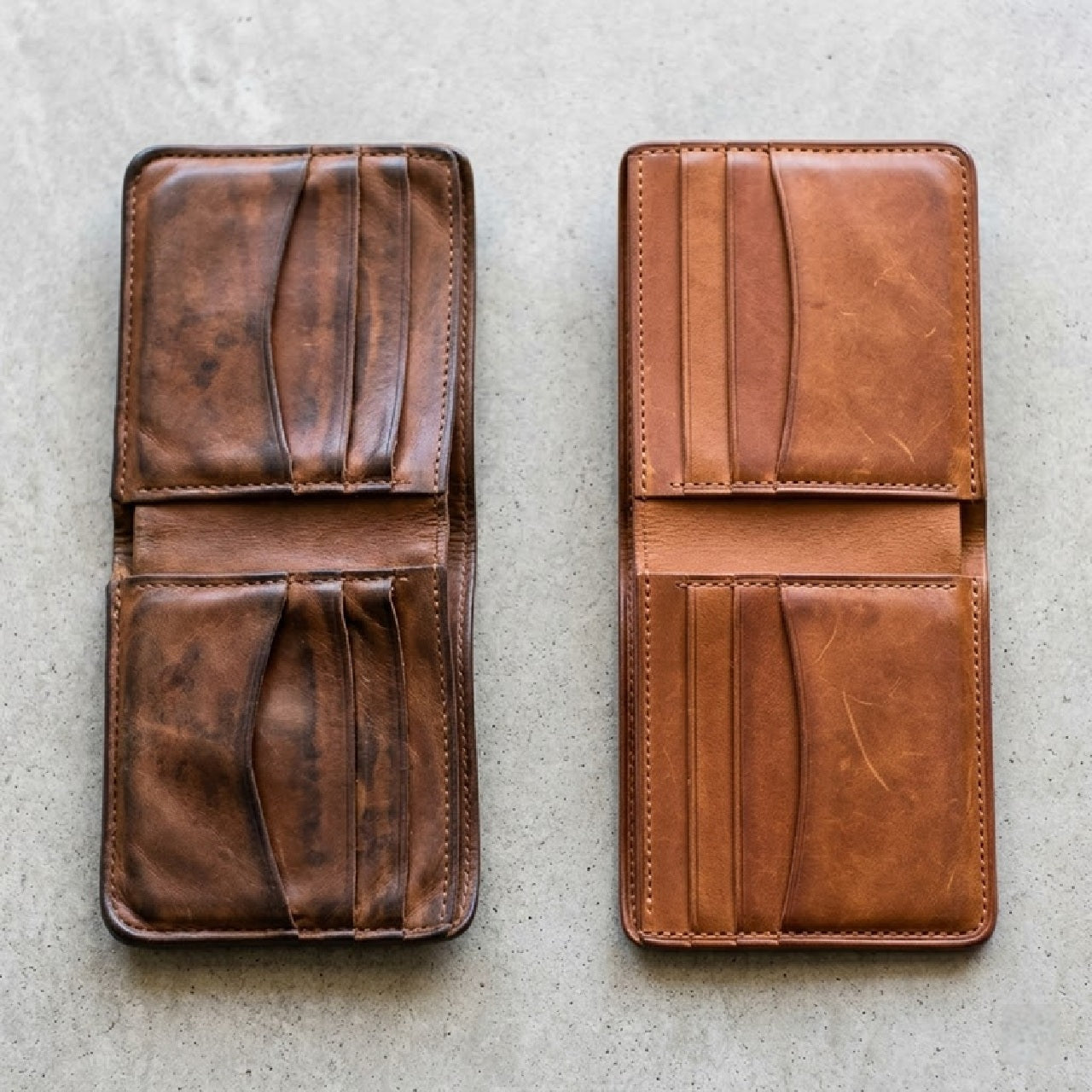
Excess conditioner creates incredibly blotchy areas that look terrible. Excessive oils also cause unwanted burnished edge softening that ruins the clean lines. Most importantly, it completely blocks normal surface aging from happening.
How to Actually Tell When Conditioning Is Needed
Forget the calendar entirely. Check the physical material itself. Run your finger aggressively across the surface. Does it feel extremely papery or rough? That suggests the oils have heavily depleted over time.
Bend the handmade leather bifold wallet firmly in your hands. Does it show white leather flex stress lines that remain visible? White lines indicate dry material that needs immediate attention.
Check the edges carefully. Quality bifolds have painted edges that should stay completely smooth. Burnished edge softening or fuzziness means the material is losing moisture rapidly.
The Exception: When New Leather Needs Immediate Care
Some material arrives completely dry from the very start. This happens when items sit in hot warehouses for extended periods. Dryness from hot warehouses actively ruins protein fiber network preservation completely.
The material feels stiff and papery right out of the package. You might even see immediate leather flex stress lines upon first use. Budget goods often fall into this highly unfortunate category.
The mass-production tannery likely used less oil to reduce their costs. In these rare cases, conditioning before first use makes sense. However, this is not the norm for quality handcrafted items. Lost Dutchman Leather finishes every piece perfectly before it ever ships out.
What Your Wallet Actually Needs Instead
Daily use conditions the material better than any commercial product. The natural oils from your hands maintain the fibers naturally. The friction from your pockets keeps the material incredibly supple.
This explains why carried items age much better than stored items. Keep your gear away from extreme heat sources. Do not leave it baking on a car dashboard in summer.
Wipe it down occasionally with a dry cloth to remove dirt. Dirt acts like coarse sandpaper against the smooth finish daily.
The Right Way to Condition When the Time Comes
After a year of heavy use, conditioning finally becomes appropriate. Use a minimal amount. A pea-sized drop is enough for the entire piece to prevent over-conditioning leather. Apply it aggressively with your bare fingers, not a cloth.
Body heat helps the thick conditioner absorb perfectly. Focus heavily on areas that flex the most often. The fold lines and card slot openings experience the most stress.
Avoid the painted edges entirely. Conditioner causes burnished edge softening and makes them look sloppy. Let the piece rest for twenty-four hours before loading it again.
Why the Leather Industry Pushes Frequent Conditioning
Maintenance products generate incredibly significant revenue annually. A small bottle costs twenty dollars and needs regular replacement. The messaging around care comes directly from companies selling those products.
They benefit massively from convincing people that the material is fragile. The truth remains much simpler. Quality top-layer hide is remarkably durable. It survived as animal skin in incredibly harsh outdoor conditions.
You do not need constant protective creams for pocket items. You must learn how often to condition leather wallet items correctly.
How Different Leathers Change the Timeline
Plant-tanned material needs conditioning less frequently than chrome-tanned options. The natural process produces a denser, highly oil-rich material. The dense material utilizes natural tannin moisture retention to stay supple longer.
Chrome-tanned material might need attention slightly sooner, perhaps around twelve months. Material thickness matters significantly too. Thicker belts hold more oil and dry out much slower.
A thin card case might need close attention slightly sooner. Highly finished materials with protective coatings resist conditioning heavily. Pull-up materials rarely need any additional conditioning ever.
What Actually Damages Leather Wallets
Over-care is incredibly destructive, but physical damage ruins items faster. Damage from keys or pocket knives causes permanent, unfixable gouges. Excessive moisture causes immense harm to the internal fiber structure.
A piece that gets soaked repeatedly deteriorates incredibly fast. Heat remains particularly destructive. A hot car literally bakes the essential oils out permanently. That creates leather flex stress lines that conditioning simply cannot fix.
Dirt and abrasive grit erode the top finish constantly. Chemical exposure from hand sanitizers stains the material permanently. Keep your everyday leather wallets away from harsh chemicals always.
The Patina Question
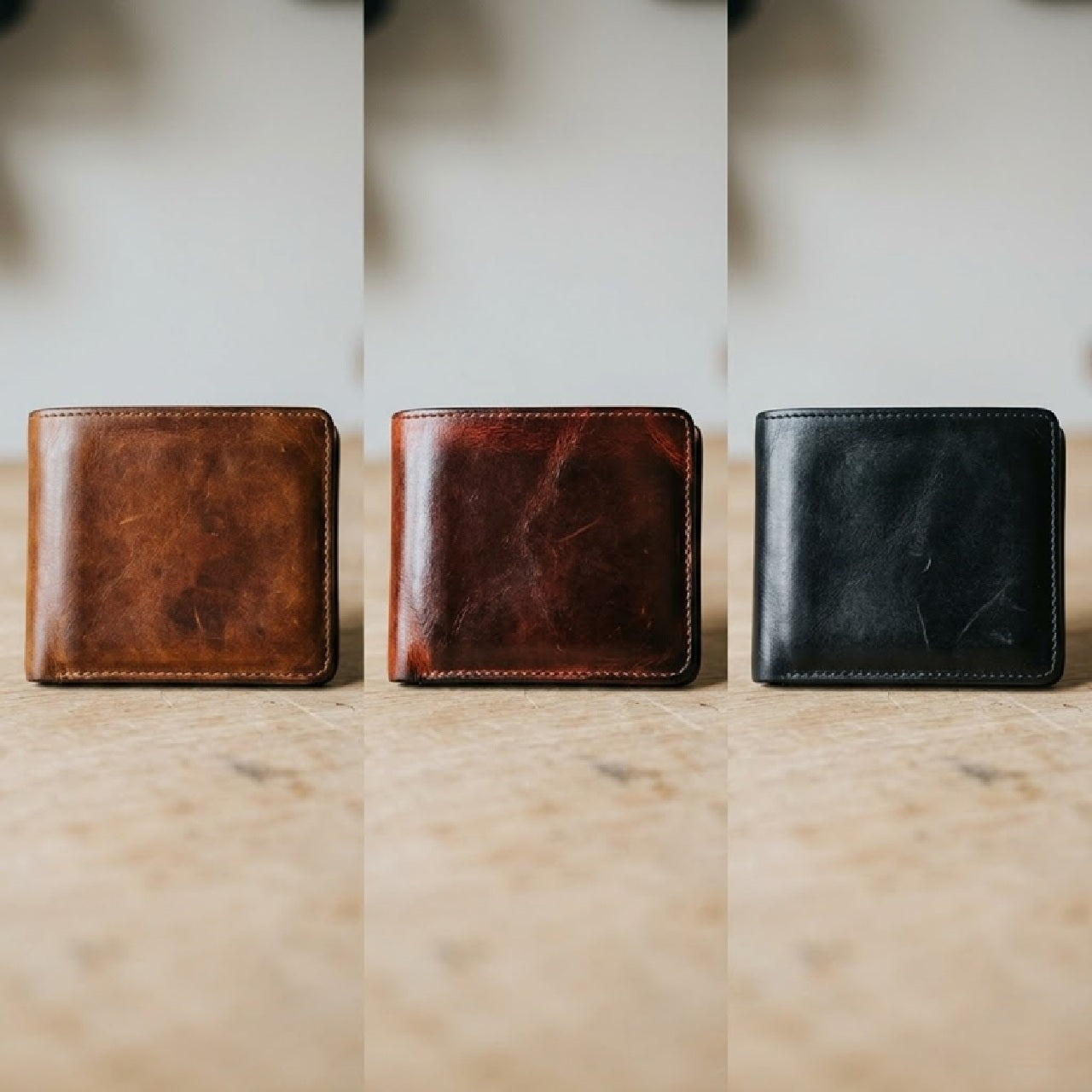
Patina is the beautiful darkening that develops naturally over time. It is the primary reason people choose natural hides over synthetics. Light, infrequent conditioning allows this character to form perfectly.
Heavy, frequent conditioning heavily interferes with this natural process. Over-conditioning leather creates a barrier against sunlight and beneficial friction. It artificially darkens the material in ways that look uneven.
The vertical bifold wallet develops incredible character if you leave it alone. Add conditioner quarterly, and you interrupt that natural development entirely. Minimize your maintenance routine to maximize the beautiful aging process.
Building Better Leather Care Habits
Stop thinking about care as a strict, scheduled maintenance task. Any good leather wallet care guide recommends responsive care instead of rigid schedules. Check the material occasionally and apply oils only when necessary.
This approach requires paying close attention to your daily gear. You will notice loose stitching or issues much earlier this way. Natural tannin moisture retention handles the rest of the work.
Store items properly when they are not in your daily rotation. Keep unused items in a cool, dry place away from sunlight. Accept that visible wear marks are features, not terrible flaws.
Conclusion
The quarterly schedule that most guides recommend is completely excessive. It is based on selling products rather than material science. Quality top-layer hides contain enough oils to last a full year.
Daily use maintains the material much better than commercial products. When maintenance becomes absolutely necessary, minimal application remains the key. This leather wallet care guide proves that patience creates better results.
Your gear is significantly tougher than the industry wants you to believe. Trust the rugged material, not the aggressive marketing campaigns. Need advice on leather care? Ask our team for specific recommendations anytime.