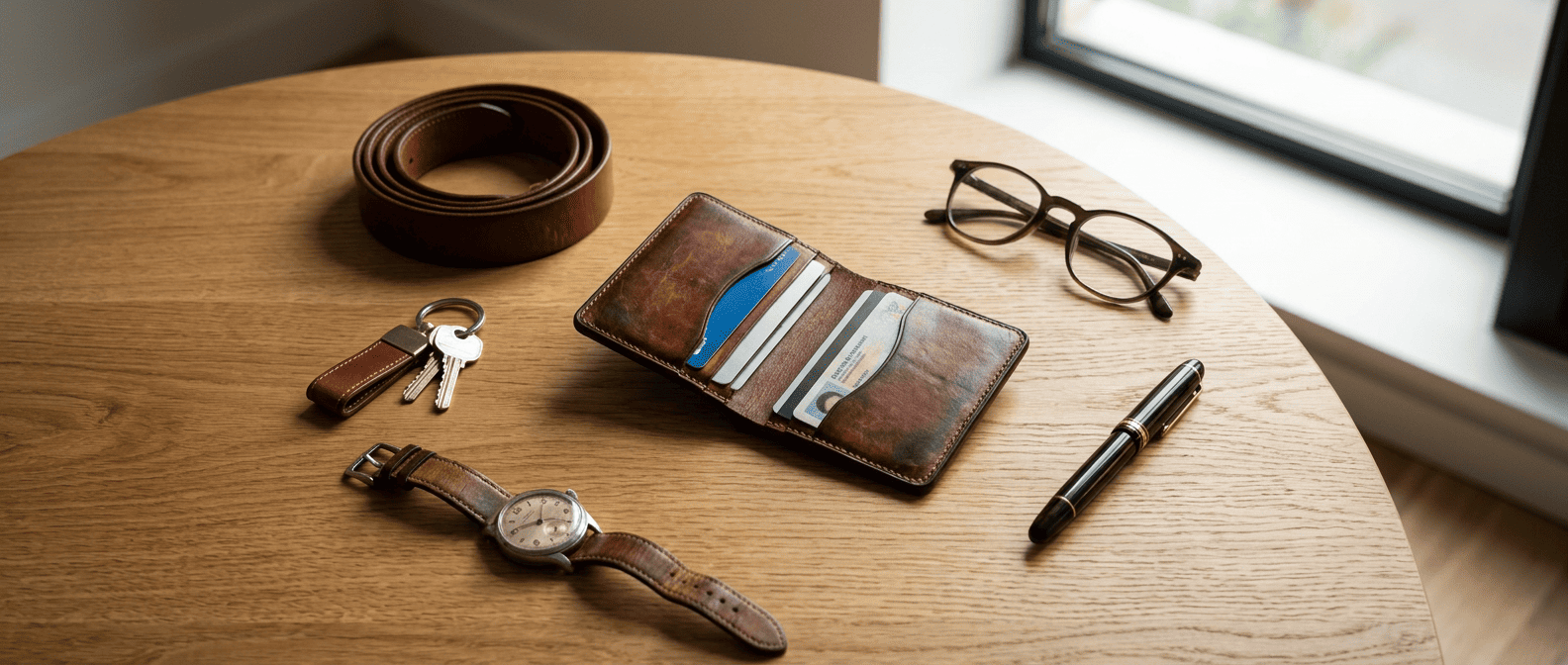
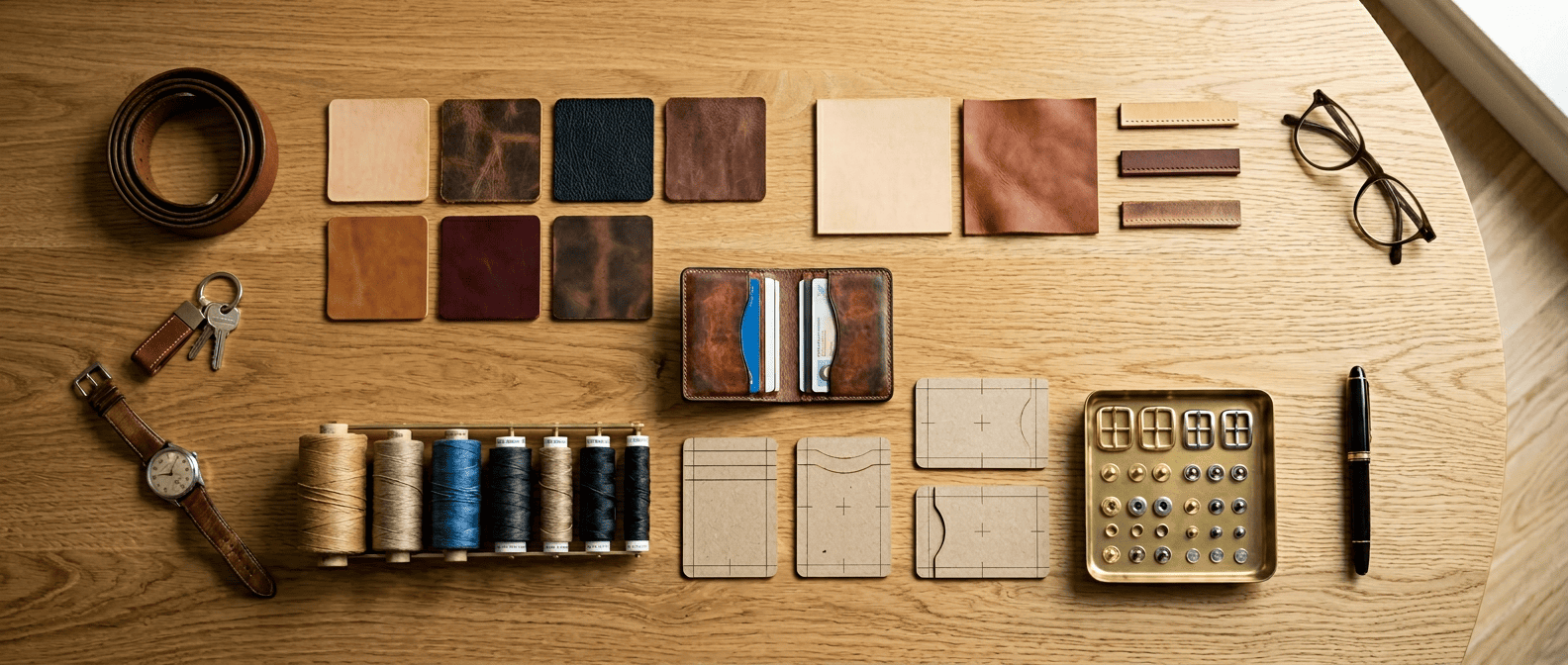
The ultimate custom wallet builder's checklist: every decision you need to make
Building a custom wallet sounds very simple until you see the options. You must choose the leather type and the stitching style. You have to decide on the pocket layout and the color. Each choice affects how your gear performs for the next decade. We created this custom wallet builder's checklist to help you choose.
Most people underestimate how many wallet design decisions they need to make. They pick a color and assume the rest is not important. Then they are surprised when the leather wears out or stretches. This custom wallet guide walks you through every choice that actually matters. It helps you build a tool that you can trust.
Think of designing a wallet like building a new house. You cannot pick the paint before you have a solid foundation. You need to know the layout before you choose the decor. This custom wallet guide ensures your foundation is strong from day one. We want your gear to be a trusted daily tool.
Understanding Your Carry Style First
Before you make any wallet design decisions, you must audit your carry. Empty your current wallet right now and count your cards. Check for old receipts you likely forgot about. Notice which items you grab most often during the day. Your actual habits matter more than what sounds good in theory.
Lost Dutchman Leather builds gear based on these real-world requirements. We want to know your total card count and cash frequency. We also need to know your pocket preference for daily carry. These three factors will eliminate many of your custom wallet design decisions immediately. It narrows your focus to what truly works for you.
You should aim for a full grain bifold wallet if you carry many cards. It provides the space needed without adding too much bulk to your pocket. This is a great choice for those who want a traditional feel. It ensures your cards are secure and easy to reach.
Leather Type: The Foundation Decision
Full-grain leather is the top layer of the hide with all grain intact. It is the strongest option and develops the richest patina over time. The dense fiber structure resists tearing better than any other type of leather. This choice is vital for a custom wallet builder's checklist. It is the best material for a tool you use daily.
Top-grain leather has the surface buffed down to remove natural marks. It looks very uniform at first but will not age as distinctively. We often compare full-grain vs top-grain leather to show the difference in durability. Full-grain lasts much longer because the natural strength remains in the hide. We avoid lower grades to ensure your gear survives for decades.
Choosing full-grain vs top-grain leather affects how your wallet handles pocket friction. High-quality leather becomes more beautiful as it absorbs the oils from your hands. This creates a unique character that you cannot buy in a store. Using this custom wallet guide ensures you invest in material that actually lasts. It is the most important part of your custom wallet builder's checklist.
Tanning Method: Chemistry That Matters
Vegetable tanning is a slow process that uses plant materials like bark. This method takes weeks but creates leather that ages very beautifully. The color deepens over time as it interacts with the sun and oils. We believe these natural leather tanning methods are the mark of true quality. They produce a firmer hide that holds its shape.
Chrome tanning uses chemicals and finishes in just a few days. It produces softer leather that is cheaper to source in large volumes. However, it does not develop the same character as vegetable-tanned hides. These leather tanning methods are why some wallets look cheap after just a few months. We use traditional tanning to protect the integrity of your build.
This custom wallet guide recommends vegetable tanning for any daily driver. It ensures your wallet maintains its structure even when it gets wet. Proper leather tanning methods are what allow our gear to survive for twenty years. It is a critical item on your custom wallet builder's checklist. You should always prioritize the tanning process when ordering custom gear.
Thickness And Weight Considerations
Leather thickness is measured in ounces by the craftsmen in the shop. One ounce equals about one sixty-fourth of an inch of thickness. This leather weight guide helps you find the right balance for your pockets. Thinner leather is great for front pockets but can stretch too much. Heavier leather is durable but adds more weight to your pocket.
Most people find that four to five ounces is the sweet spot. It provides enough structure without making the wallet feel like a brick. Following this leather weight guide prevents you from building a wallet that is too bulky. It is one of the most practical wallet design decisions you will make. We want your gear to disappear into your pocket.
Our usa made leather wallet options use these specific weights for daily comfort. We choose the hide thickness based on the intended use of the design. This leather weight guide ensures your wallet stays slim while remaining incredibly strong. It is a vital step in the process of building custom gear. This attention to detail is why our workshop is trusted.
Construction Method: How It Is Held Together
The way your wallet is held together determines how long it survives. Saddle stitching uses two needles and one thick thread to lock every hole. If one stitch breaks, the rest of the seam will still hold. We focus on this method to ensure your wallet design decisions are sound. It is much stronger than any machine-made alternative.
the franklin wallet is a great example of a different approach. It uses stitchless wallet construction to remove the thread failure point entirely. No thread means there is nothing to unravel or break over time. This stitchless wallet construction is a bold choice for anyone who values total simplicity. It shows that sometimes the best design is the most minimal one.
A customer named Robert once told us his old wallet unzipped in his pocket. He had only used it for a year before the machine seam failed. He switched to a design with stitchless wallet construction and never looked back. He told us it was the best item on his custom wallet builder's checklist. This story illustrates why construction choices matter for long-term use.
Pocket Configuration And Hardware
Your pocket layout should match your actual card retrieval speed. We suggest keeping your most-used cards in the front slots of your wallet. This makes every transaction smoother and prevents you from digging through your gear. This custom wallet guide helps you find the right balance of slots. You should avoid adding features you do not actually use.
handmade leather card holder builds are perfect for those who want to stay minimal. They force you to edit your carry down to just the essentials. This subtraction makes your pocket feel much lighter throughout the day. It is one of the smartest custom wallet mistakes you can avoid. You will never have to worry about unwanted bulk again.
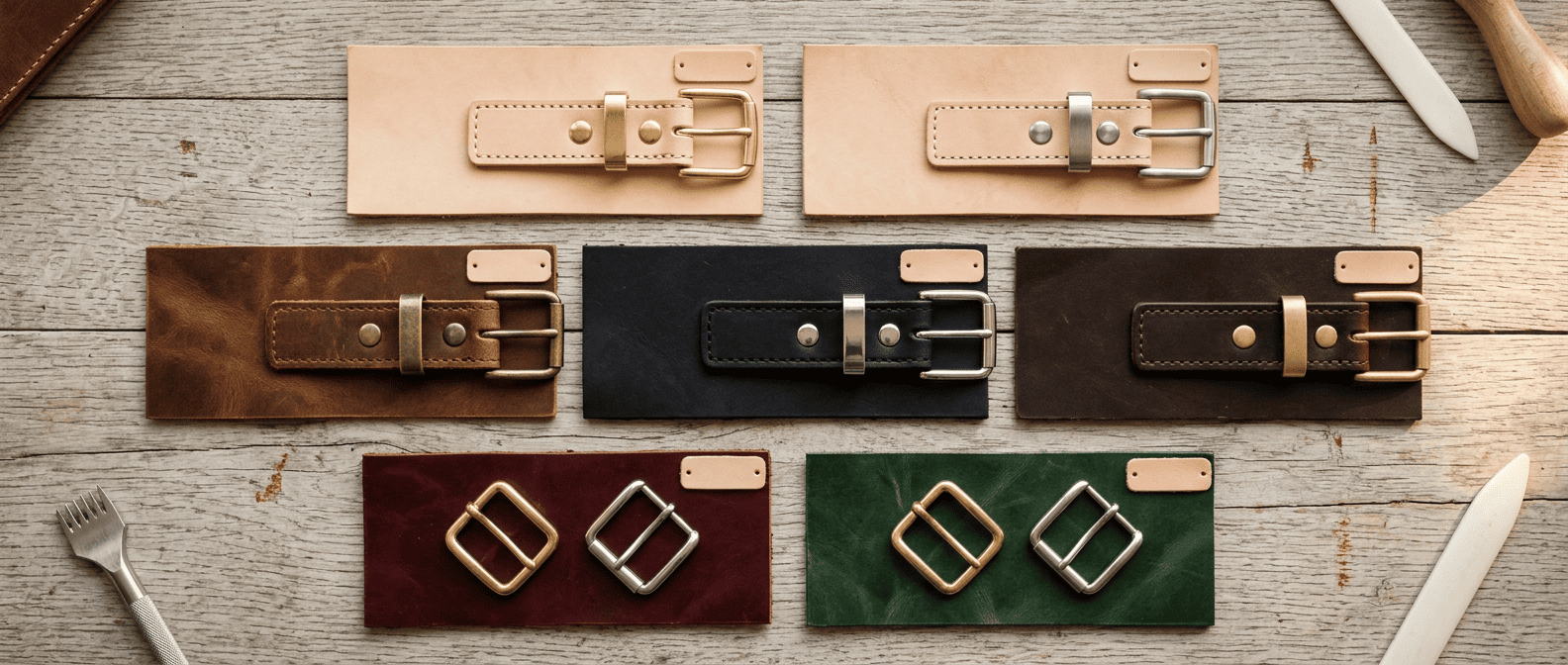
Metal hardware can add a classic look but also adds thickness. We suggest minimizing snaps and rivets whenever it is possible for you. If you need hardware, always choose solid brass or stainless steel for durability. You can coordinate this with a custom leather belt for a cohesive and intentional look. This level of detail shows you value quality across all your gear.
The Importance Of Proper Edge Work
The edge burnishing process is the detail that reveals the true quality. It involves sanding and rubbing the leather fibers until they shine. This seals the edge and prevents it from fraying or separating over time. A proper edge burnishing process ensures your wallet feels glassy smooth in your hand. It is a sign of a professional artisanal build.
Many cheap wallets use paint to seal the edges instead of burnishing. Painted edges look clean at first but will chip and peel with use. A quality edge burnishing process is much more durable and ages with the hide. It is one of the most important wallet design decisions for pocket comfort. It prevents the leather from catching on your clothing.
We believe that every custom wallet guide should emphasize this step. It shows that the maker took the time to finish the piece properly. A solid edge burnishing process is what separates our gear from mass production. It is the final touch on your custom wallet builder's checklist. This ensures your wallet is ready for a lifetime of honest use.
Conclusion
Your future self will appreciate the time you took to choose wisely. Follow this custom wallet builder's checklist to avoid common pitfalls during the order. Prioritize full-grain leather and proven construction methods over temporary fashion trends. Ground your wallet design decisions in how you actually live your life. This ensures your new tool is one you can rely on.
The best custom wallet is one that you never have to think about. It should fit your cards perfectly and disappear into your pocket. We use this custom wallet guide to help every customer find their fit. We want you to be proud of the gear you carry every day. Quality materials and craftsmanship are the keys to a better carry experience.
Have a question about leather? Ask our team if you need more help with your build. We are always ready to share our experience from the workshop floor. We can help you navigate the checklist to find the right configuration. Let us help you build a wallet that lasts for decades.