Passport Wallet Integration: All-in-One Travel Wallets vs Separate Carriers
Every seasoned traveler knows the pre-flight pat-down ritual. Passport? Check. Boarding pass? Got it. Credit cards? Still there. The constant verification stems from a simple truth: losing travel documents abroad transforms a vacation into a bureaucratic nightmare.
The question isn't whether to protect these essentials - it's how. Two camps dominate the travel gear world: those who swear by all-in-one passport wallets that consolidate everything into a single carrier, and minimalists who prefer keeping their passport separate from their everyday wallet. Neither approach is universally superior. The right choice depends on how someone actually travels.
The Case for Integrated Travel Wallets
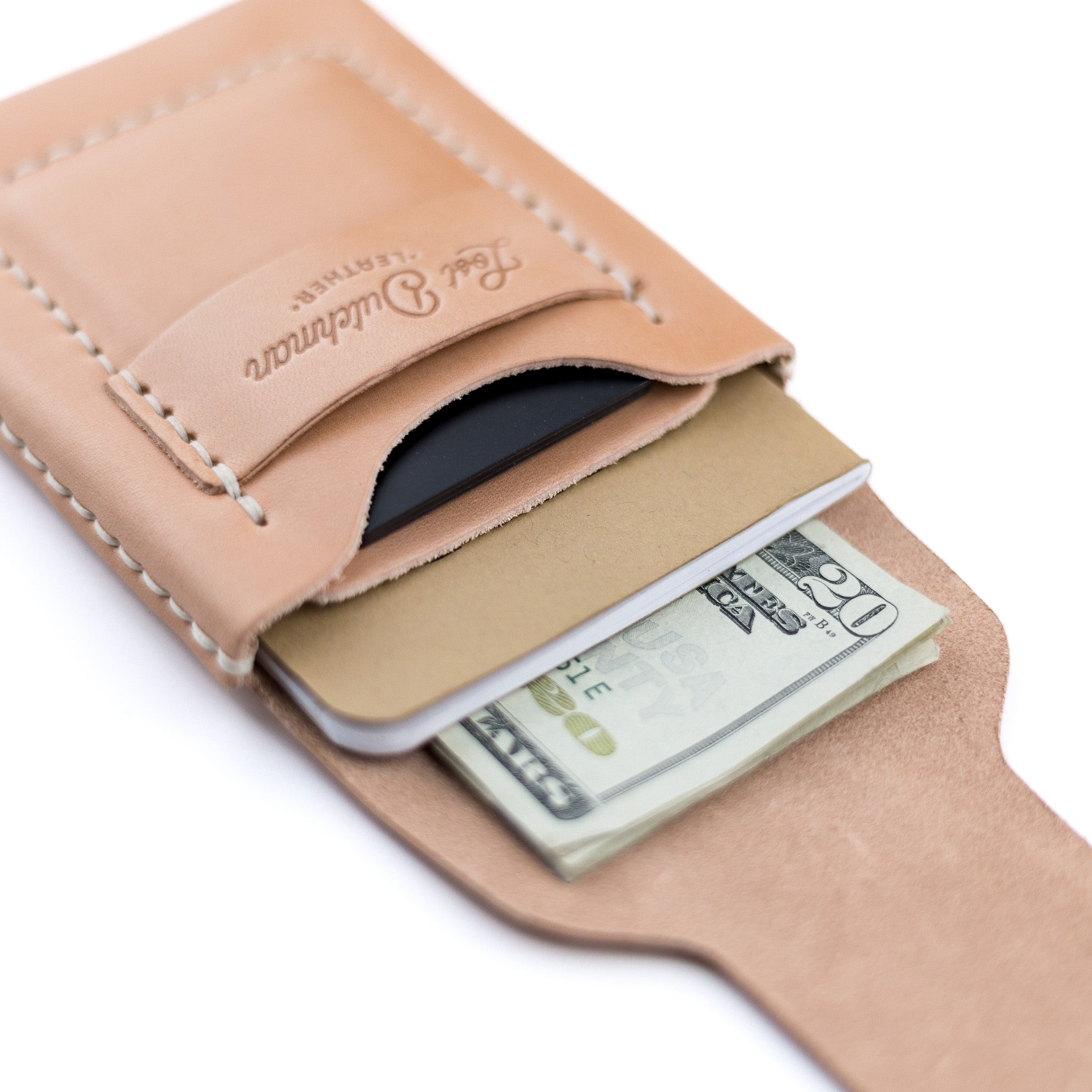
All-in-one passport wallets promise a seductive simplicity: one item to track instead of three or four. These carriers typically include dedicated slots for a passport, multiple card pockets, currency compartments, and sometimes pen holders or SIM card storage.
Streamlined Airport Security
The consolidation advantage becomes most apparent during airport security. Instead of juggling a passport, wallet, phone, and boarding pass while removing shoes and laptops, travelers pull out one travel document wallet containing everything needed to clear TSA checkpoints. This streamlined approach reduces the likelihood of leaving something behind in those gray plastic bins.
Organization and Peace of Mind
Organizational benefits extend beyond security lines. Understanding passport wallet integration creates a designated home for every travel document. Boarding passes slot into specific pockets. Foreign currency separates from domestic bills. Hotel key cards don't migrate to random jacket pockets where they'll trigger frantic searches at 11 PM.
For international trips involving multiple countries, all-in-one carriers shine. Travelers crossing from Thailand to Vietnam to Cambodia deal with three currencies, various transportation tickets, and different SIM cards. A well-designed travel document wallet provides the compartmentalization needed to prevent chaos.
The psychological advantage matters too. Knowing that everything essential lives in one place reduces travel anxiety. There's no mental checklist to run through before leaving a hotel room - just grab the passport wallet and go.
Where Integration Falls Short
The same consolidation that makes all-in-one wallets appealing creates vulnerability. Losing a single item means losing everything: identification, payment methods, cash, and travel documents simultaneously. This isn't theoretical risk - pickpockets in Barcelona's La Rambla and Rome's Termini Station specifically target tourists carrying bulky passport wallets.
The Bulk and Visibility Problem
Physical bulk presents practical problems. Most passport wallets measure 5-7 inches tall and contain enough leather and organization features to create a noticeable pocket bulge. This makes them impractical for everyday carry during a trip. Travelers end up leaving their all-in-one wallet in a hotel safe and carrying separate card holders anyway, defeating the integration purpose.
The visibility issue compounds security concerns. Pulling out an obvious passport wallet at a market or restaurant broadcasts "tourist with important documents" to everyone watching. Experienced travelers know that looking like an easy target invites problems.
Moisture and Fit Compromises
Temperature and moisture affect passports stored in frequently-handled wallets differently than those kept separate. Body heat and humidity from being constantly pocketed can degrade passport pages over time. RFID-blocking materials - common in modern passport wallets - trap heat and moisture rather than allowing ventilation.
Many integrated designs force compromises. Card slots might be too tight for chip-enabled credit cards. Currency compartments might not accommodate larger bills from certain countries. The passport pocket might fit a U.S. passport perfectly but squeeze a thicker European Union passport uncomfortably.
The Minimalist Alternative: Separate Carriers
Keeping passports separate from everyday wallets follows a fundamental security principle: don't put all eggs in one basket. This approach typically involves a slim everyday wallet for cards and cash, with the passport stored in a hotel safe or secure travel pouch when not actively needed.
Risk Distribution Advantages
The risk distribution advantage is straightforward. If a pickpocket lifts a wallet from a back pocket, the traveler still has their passport secured elsewhere. If a passport gets stolen during a border crossing, credit cards and cash remain available to manage the situation.
Enhanced Daily Functionality
Everyday functionality improves dramatically with separation. A slim bifold wallet or card holder carries comfortably in a front pocket without the bulk of passport-sized carriers. This encourages actually using it throughout the day rather than leaving it locked away.
The flexibility extends to different travel scenarios. Business travelers attending conferences don't need their passport for local transportation and meals - a minimalist wallet suffices. The passport stays secured at the hotel until needed for the return flight.
Separate carriers allow purpose-specific optimization. An everyday wallet can prioritize quick card access and slim profile. A passport carrier can focus on protection and document organization without compromising daily usability.
Security Considerations That Actually Matter
Travel security advice often fixates on exotic scenarios while ignoring common risks. The reality: most passport and wallet theft happens through mundane opportunism, not Ocean's Eleven-style heists.
Common Theft Tactics
Distraction theft accounts for the majority of incidents. Someone asks for directions while an accomplice lifts a bag. A "helpful" local points out something on a traveler's shirt while another hand enters a pocket. These scenarios succeed because victims carry everything together, making a single theft maximally profitable.
Hotel Safe Reliability
Hotel room security presents different considerations. Many travelers assume hotel safes provide adequate protection, but security experts note that staff override codes exist for every safe. The question becomes whether to trust a hotel safe with a passport, everyday wallet, or both.
Body-Worn Security Pouches
Body-worn security pouches - those neck wallets tourists wear under shirts - offer theft protection but create accessibility problems. Nobody wants to lift their shirt and dig into a sweaty pouch to pay for coffee. This inconvenience leads to carrying money elsewhere anyway, negating the security benefit.
The RFID Protection Debate
The RFID-blocking debate generates more heat than light. While RFID skimming is technically possible, documented cases of actual theft via this method remain remarkably rare. Traditional pickpocketing poses exponentially greater risk than electronic skimming. Prioritizing RFID protection over basic security awareness misallocates concern.
Material Considerations for Travel Carriers
Full-grain leather provides durability advantages for frequently-handled travel gear. Unlike top-grain or genuine leather, full-grain retains the hide's strongest fibers and develops a protective patina rather than deteriorating with use. This matters for items subjected to airport trays, hotel safes, and constant pocket insertion.
Vegetable-Tanned Leather Benefits
Vegetable-tanned leather specifically suits travel applications. The tanning process creates leather that resists moisture better than chrome-tanned alternatives. When a travel document wallet gets caught in unexpected rain or exposed to humid tropical climates, vegetable-tanned leather dries without permanent damage or mildew.
Break-In Period and Structure
The break-in period for full-grain leather initially creates stiffness that some travelers interpret as poor design. This rigidity actually serves a purpose - it maintains shape and provides structure that protects documents. After several weeks of use, the leather conforms to contents while retaining protective rigidity.
Construction Quality Matters
Stitching quality determines longevity more than leather thickness. Saddle stitching - where two needles work simultaneously through each hole - creates seams that won't unravel if a single thread breaks. Machine stitching, while faster to produce, creates a single continuous thread that can unzip entirely from one failure point.
Hardware selection impacts functionality significantly. YKK zippers cost more than generic alternatives but operate smoothly after thousands of cycles. Cheap snaps fail at inconvenient moments, like when trying to access a passport during boarding. Quality hardware isn't luxury - it's reliability insurance.
Practical Hybrid Approaches
The binary choice between all-in-one and completely separate systems creates a false dilemma. Several hybrid approaches capture benefits from both strategies while mitigating their respective weaknesses.
The Dual-Wallet System
The dual-wallet system works well for trips lasting more than a week. Travelers carry a slim everyday wallet for routine transactions and a separate travel document organizer that stays in a hotel safe or day bag. The travel organizer emerges only when needed - airport departures, border crossings, hotel check-ins.
This approach requires discipline. The everyday wallet should contain only one credit card, one debit card, and enough local currency for a day's expenses. Everything else stays secured. If the everyday wallet disappears, the loss is annoying but manageable.
Decoy Wallet Strategy
For urban exploration in high-risk areas, a decoy wallet strategy provides insurance. A worn wallet containing expired cards and small bills goes in an easily-accessible back pocket. Real valuables stay secured in front pockets or an interior jacket pocket. If confronted by a thief, hand over the decoy without resistance.
Minimalist Passport Sleeve Option
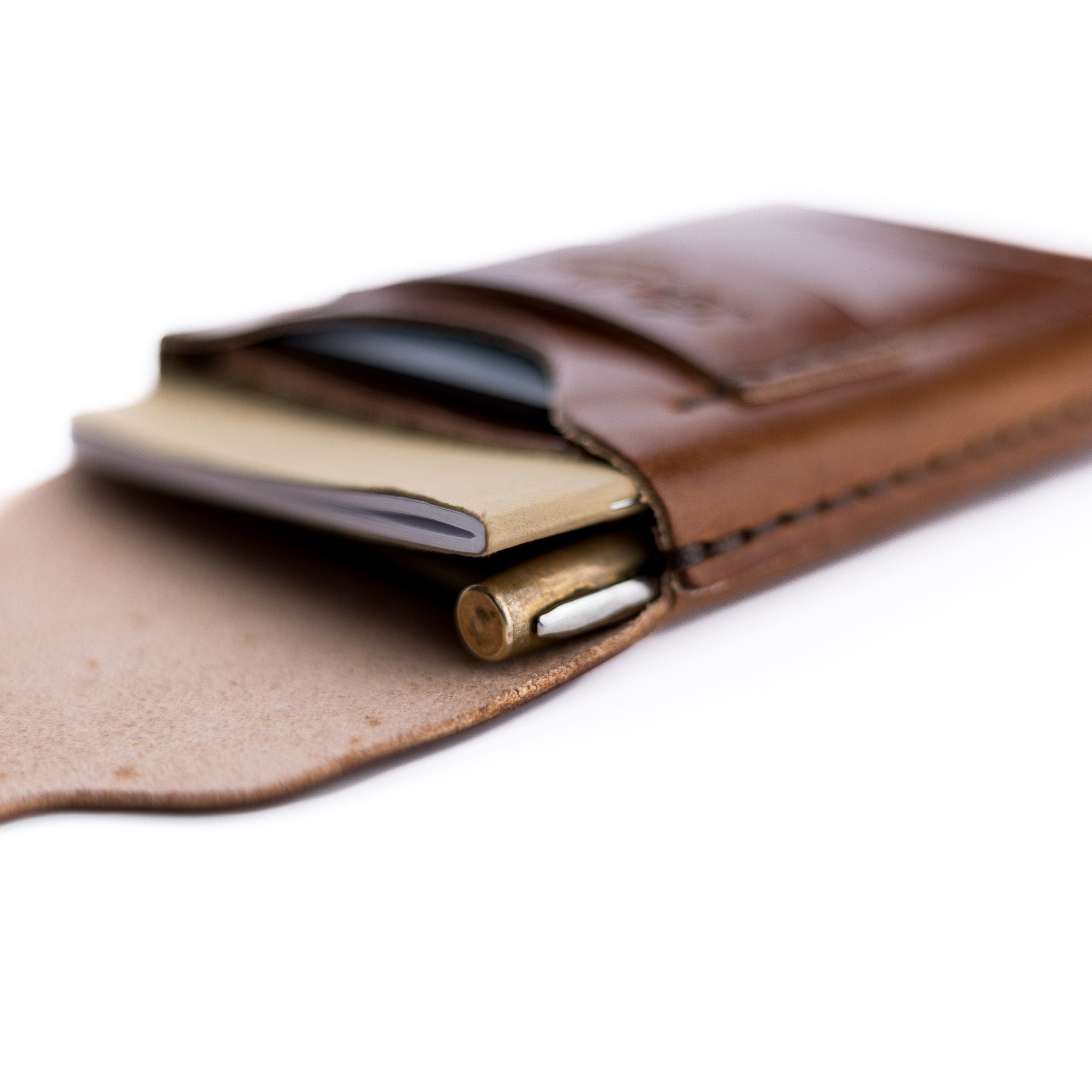
The minimalist passport sleeve offers middle ground for travelers uncomfortable with full separation. These slim leather notebook covers - barely thicker than the passport itself - provide protection and a pocket for essential cards without the bulk of full organizers. Paired with a separate everyday wallet, this combination maintains portability while organizing documents.
Real-World Scenarios That Reveal Preferences
Different travel styles expose the strengths and weaknesses of each approach. A backpacker moving between hostels every few days faces different needs than a business traveler staying in one hotel for a week.
Multi-Country Rail Travel
Multi-country European rail trips favor integrated systems. Travelers showing passports and tickets repeatedly throughout the day benefit from having everything consolidated. The alternative - digging through a bag to find separate items at each checkpoint - creates delays and frustration.
Beach and Resort Destinations
Beach destinations argue for separation. Nobody wants to bring their passport to the beach, but travelers still need money for drinks and lunch. A waterproof card holder with cash and one credit card serves beach days better than leaving everything in a hotel room or bringing an all-in-one wallet that could get stolen or wet.
Business Travel Requirements
Business travel often requires passport access only at airports. The rest of the trip involves client meetings, restaurants, and local transportation where a professional-looking slim wallet makes more sense than a bulky passport carrier. The passport stays in a briefcase or hotel safe between flights.
Adventure and Outdoor Travel
Adventure travel creates unique demands. Hikers and climbers need weatherproof document protection but can't carry unnecessary weight. A lightweight passport sleeve in a waterproof bag works better than a heavy leather organizer with features that won't get used on a trail.
The Break-In Period and Long-Term Performance
New leather goods require patience that modern consumers often lack. A stiff full-grain leather passport wallet that feels awkward initially will conform to contents and develop character over months of use. This break-in period isn't a flaw - it's evidence of quality materials.
Proper Break-In Methods
Forcing the break-in process damages leather. Some travelers try to accelerate softening by soaking leather in water or applying excessive conditioner. These shortcuts compromise the leather's structure and can cause premature wear. The proper approach involves regular use and occasional conditioning with appropriate products.
Patina Development
The patina development that occurs with quality leather creates a visual timeline of travel. Scratches from airport trays, color variations from sun exposure, and subtle wear patterns tell a story that synthetic materials can't replicate. This aging process appeals to some travelers while others prefer materials that maintain a new appearance.
Maintenance Requirements
Maintenance requirements differ between integrated and separate systems. An all-in-one wallet accumulates more wear and requires more frequent conditioning because it's handled constantly. A passport kept in a separate sleeve that only emerges for border crossings needs minimal maintenance.
Making the Decision
The choice between integrated and separate passport carriers ultimately reflects personal priorities. Security-focused travelers lean toward separation. Convenience-oriented travelers prefer integration. Neither approach is objectively superior.
Testing Both Approaches
Testing both systems before a major trip makes sense. Use an all-in-one wallet for a weekend trip and a separate system for the next one. The hands-on experience reveals preferences that theoretical analysis can't predict.
Destination-Specific Considerations
Consider the specific destination's characteristics. Countries with high pickpocketing rates argue for separation and risk distribution. Destinations requiring frequent document presentation favor integration and accessibility.
Trip Duration Impact
Trip duration matters more than travelers initially realize. A week-long beach vacation creates different needs than a month-long multi-country backpacking trip. Short trips can tolerate minor inconveniences that become deal-breakers over longer periods.
Product Quality Matters Most
The quality of specific products influences satisfaction more than the general approach. A poorly-designed integrated wallet frustrates users regardless of the concept's merits. A well-executed separate system works smoothly even for travelers predisposed toward integration.
Conclusion
The passport wallet integration debate doesn't have a universal answer because travel itself isn't universal. Business travelers, backpackers, and beach vacationers face different challenges that favor different solutions.
All-in-one passport wallets excel when frequent document access matters more than risk distribution. They organize complex international trips and streamline airport procedures. The consolidation that makes them useful also makes them vulnerable to total loss.
Separate systems distribute risk and improve everyday usability at the cost of requiring more organizational discipline. They work best for travelers comfortable managing multiple items and willing to access a bag or safe when documents are needed.
The material and construction quality of whichever system someone chooses matters more than the philosophical approach. A well-made leather carrier - whether integrated or separate - protects documents and lasts for years. Cheap alternatives fail regardless of design philosophy.
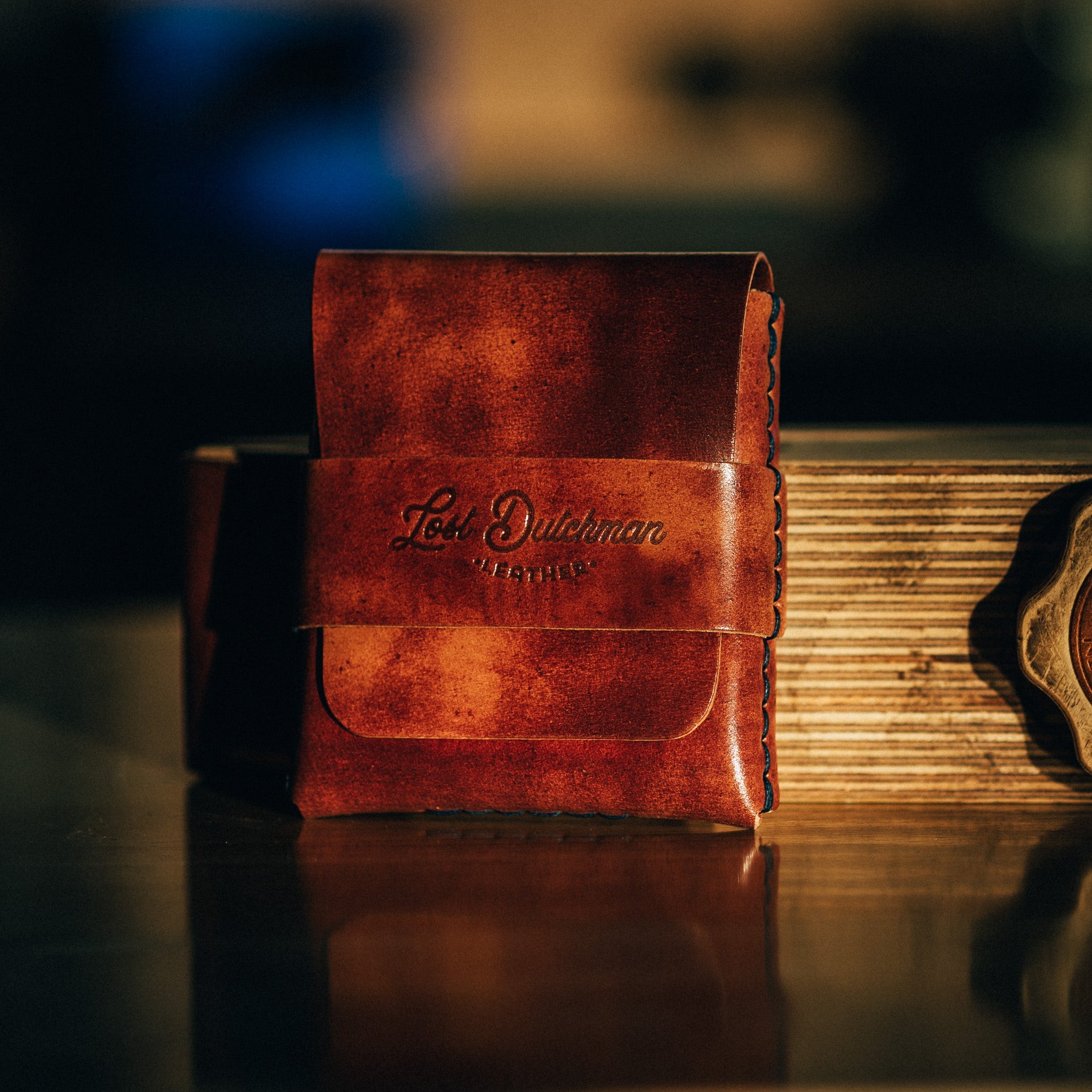
Lost Dutchman Leather builds everyday carriers from full-grain leather that handles travel demands without compromising pocket-ability. The focus on essential design rather than feature bloat creates wallets that work as well in different destinations around the world.
The right travel wallet system is the one that actually gets used consistently. A theoretically optimal setup that stays in a hotel room because it's inconvenient fails. A simpler system that integrates seamlessly into daily travel routines succeeds. Test different approaches, pay attention to what actually works, and adjust accordingly. Travel gear should fade into the background, letting the destination take focus. For questions about selecting the right travel wallet setup, contact us to discuss options.