How to Visualize Your Custom Wallet Before Ordering: Layout and Configuration Tips
Choosing a new wallet is a big decision for any gear enthusiast. You want a tool that stays comfortable in your pocket for years. We help you visualize your custom wallet before you place your final order. This simple step ensures you get exactly what you need for your daily carry.
Many people choose a layout based on photos alone. However, the way a wallet looks on a screen is different from how it feels. A solid wallet configuration guide helps you understand these differences. It allows you to build a piece that matches your actual habits and needs.
Think of choosing a wallet layout like mapping out a new kitchen. You need to know where the most-used items will go before you build. A wallet configuration guide works the same way for your cards and cash. It helps you find the right balance between style and function.
Finding The Right Card Slot Capacity
The first step is to count every card you carry in your current wallet. You should separate the ones you use every day from those you need once a month. This honest count helps you determine your ideal card slot capacity. Most people realize they carry more than they truly need.
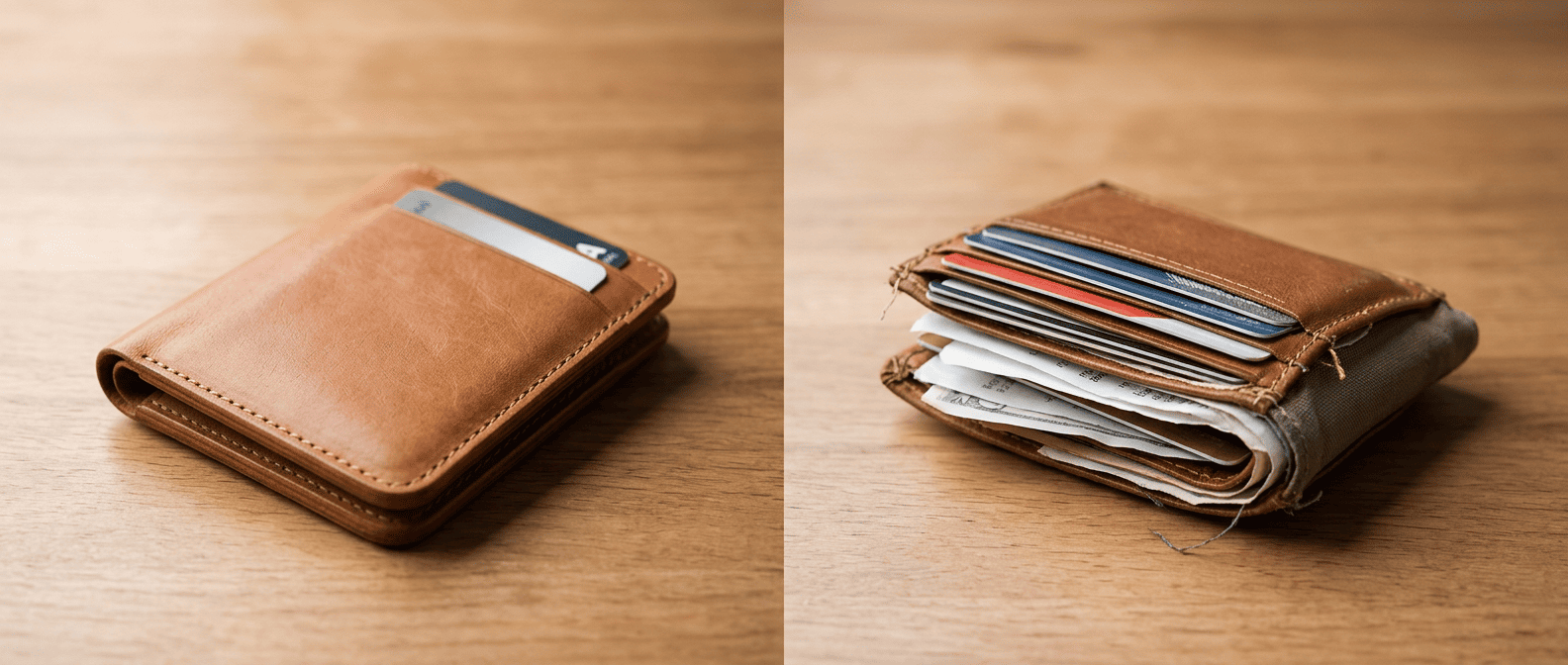
Choosing a card slot capacity that is too low will lead to overstuffing. This forces the leather to stretch and can weaken the fibers over time. We recommend a card holder wallet for those who want to carry six cards or fewer. It keeps your pockets thin and your essentials organized.
If you carry ten or more cards, you need a different configuration. A larger build provides the space required without stressing the hide. Finding the right card slot capacity is the key to long-term durability. It ensures your wallet maintains its shape through years of daily handling.
Understanding Leather Pocket Orientation
How your cards sit in the wallet matters for both size and speed. Horizontal pockets are traditional, but they often lead to a wider footprint. Vertical layouts stack cards in a column to save valuable pocket space. We believe that leather pocket orientation is a vital part of situational design.
A vertical layout keeps the wallet narrow and easy to grip. This leather pocket orientation is ideal for front-pocket carry in tight jeans. You can slide your most-used card out without opening the entire wallet. Our franklin wallet uses this approach to provide maximum efficiency for minimalists.
You should also consider how the hide folds around the cards. Proper leather pocket orientation prevents the edges from fraying at the stress points. It allows the wallet to compress naturally as you sit or walk. This is a core part of any professional wallet configuration guide.
Using A Wallet Dimensions Guide For Comfort
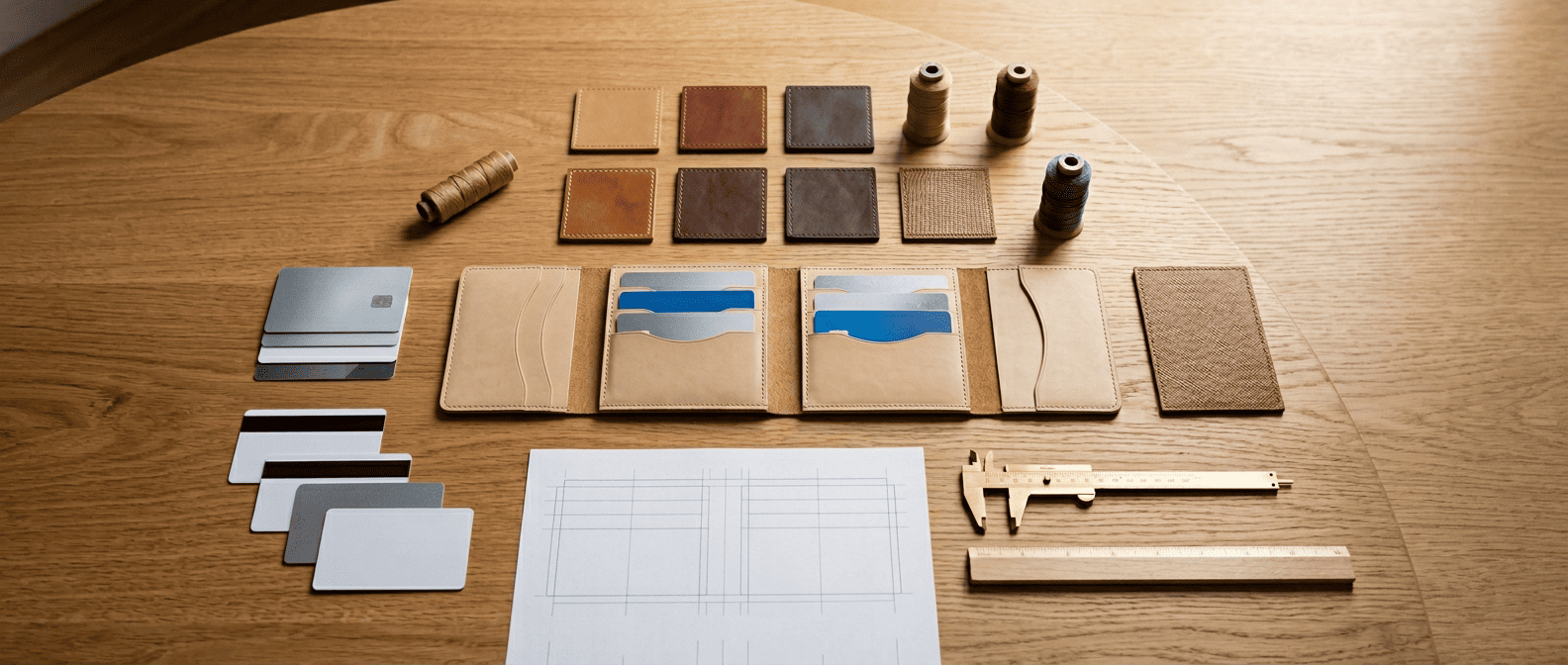
Pocket space is limited, so you must measure your current gear. A wallet dimensions guide helps you compare different models to your daily routine. You should check the thickness of the wallet when it is fully loaded. This is often more important than the height or width.
Lost Dutchman Leather provides specific measurements for every build we make. We want you to know exactly how much room our gear will take up. A good wallet dimensions guide takes the guesswork out of the ordering process. It helps you visualize your custom wallet in your own pocket.
We often suggest comparing our dimensions to a standard deck of cards. This gives you a physical object to hold and test in your clothing. If a deck feels too big, you should look for a slimmer model. Using a wallet dimensions guide ensures your new gear never feels like a burden.
Evaluating Vegetable-Tanned Hide Structure
Full-grain leather has a natural density that cheap materials lack. This is what we call the vegetable-tanned hide structure of the material. It provides the support needed to keep your cards secure and your wallet flat. Flimsy leathers will collapse and lose their grip after just a few months.
A strong vegetable-tanned hide structure is essential for any long-lasting tool. This leather is processed with natural tannins that preserve the strength of the fibers. It starts out stiff but softens perfectly as you use it. We believe this vegetable-tanned hide structure is the gold standard for our workshop.
The way the hide is cut also affects the overall performance. We follow the natural grain to ensure the wallet stays strong at the folds. This attention to vegetable-tanned hide structure is why our gear lasts a lifetime. It allows the leather to age honestly without losing its functional integrity.
Selecting Your Custom Leather Hardware
The metal parts of your wallet should be as tough as the hide itself. We offer custom leather hardware like solid brass and stainless steel for our builds. These materials resist rust and maintain their strength through thousands of cycles. Choosing the right custom leather hardware adds both security and a classic look.
A customer named Mark once ordered a bifold for his work as a mechanic. He needed a snap that could handle grease and constant pocket friction. He chose solid brass for his custom leather hardware because of its proven durability. Five years later, that snap still clicks as firmly as the day it arrived.
You should avoid plated metals that will flake or peel over time. Solid hardware develops its own patina that matches the aging of the leather. This makes the entire piece feel like a cohesive and high-quality tool. We use only the best custom leather hardware to ensure your wallet never fails.
Custom Wallet Layout Tips For Daily Success
We have gathered several custom wallet layout tips to help you choose wisely. Always place your primary payment card in the most accessible slot. Put your ID behind it to keep your personal information out of sight. These simple custom wallet layout tips make your daily transactions much smoother.
If you prefer keeping your bills flat, you should look at an american made leather wallet build. This design provides a full-length compartment for cash without adding excessive bulk. Using these custom wallet layout tips ensures your cash remains organized and protected.
A slim bifold wallet is another great choice for those who want a traditional feel. These models follow our most effective custom wallet layout tips for professional use. They balance high card capacity with a profile that disappears into your pocket.
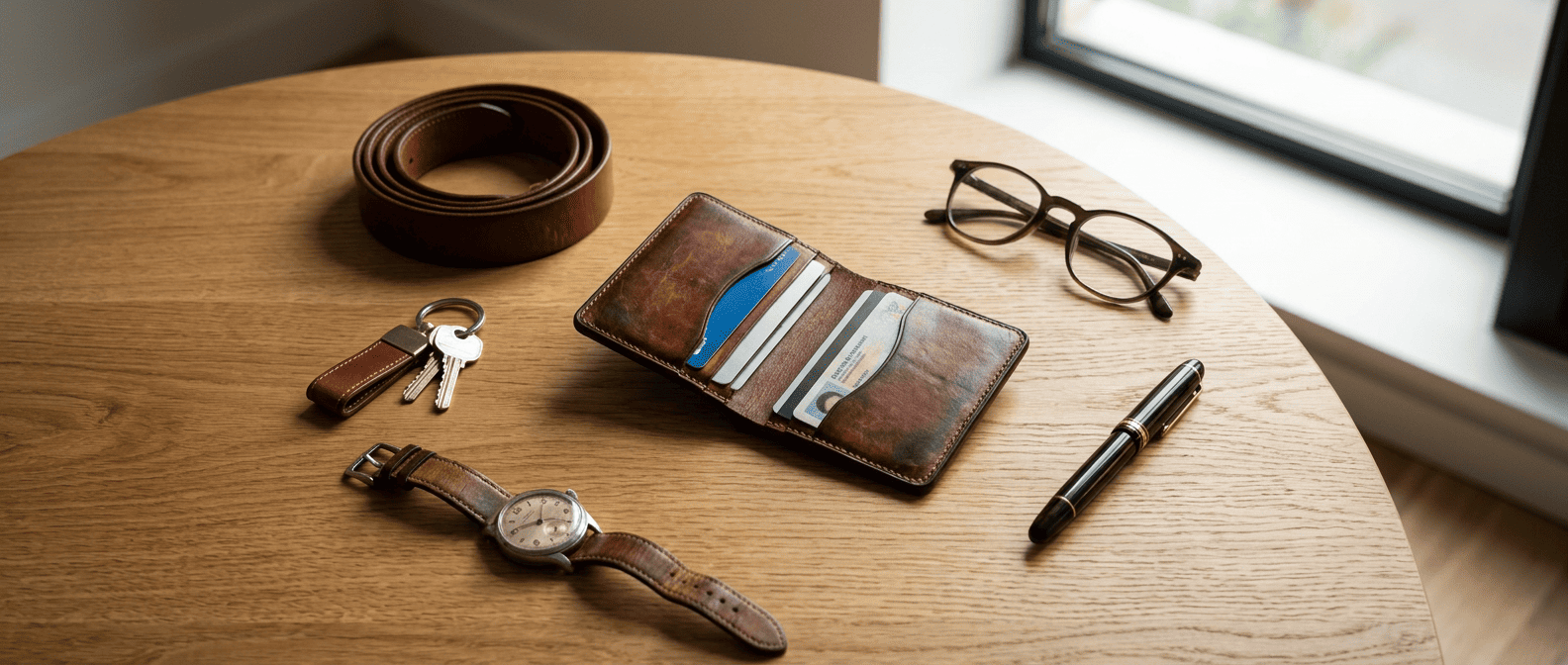
You might also want to coordinate your carry with your other accessories. A handcrafted leather belt in the same color creates a polished and intentional look. This level of detail shows that you value quality across all your daily gear. Following these custom wallet layout tips will help you build a set you are proud to own.
Conclusion
Visualizing your wallet before you buy prevents frustration and waste. You should take the time to audit your cards and measure your pocket space. Use a wallet configuration guide to find the features that truly matter for your life. This preparation ensures your new wallet becomes a trusted companion for decades.
Ground your choices in material quality and proven construction methods. Focus on the hide structure and the durability of the hardware you choose. We build our gear to support these smart layout decisions. We want every piece that leaves our workshop to exceed your expectations.
Your wallet is more than just a place to store your money. It is a physical record of your daily life and your personal style. Get expert help choosing the right wallet if you have questions about our different layouts. We are always ready to help you visualize your custom wallet today.