How to Break In Your New Leather Wallet (Without Damaging It)
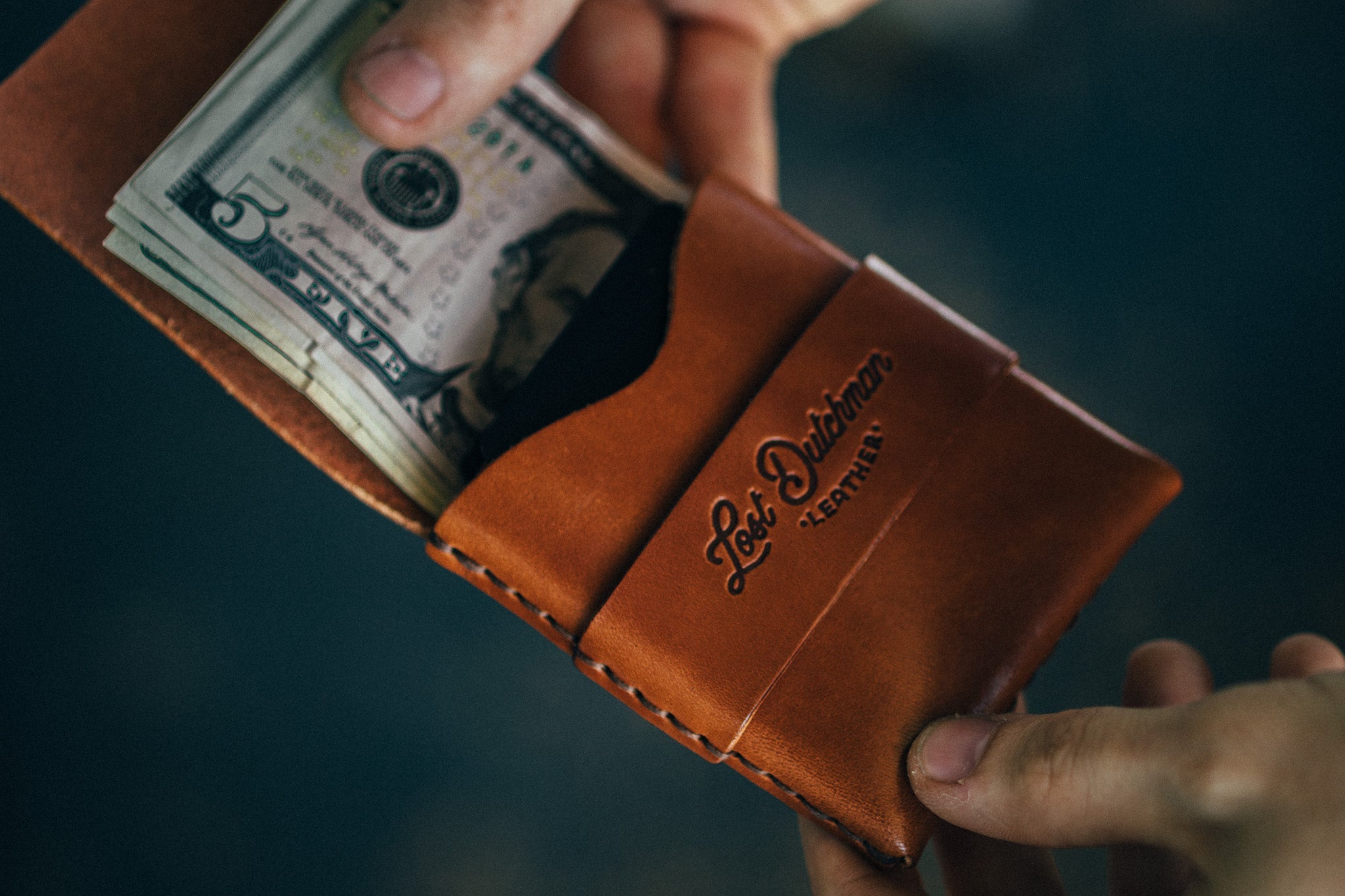
A new handcrafted leather wallet is inherently stiff. That firmness isn't a flaw; it's proof of quality. It means you're holding heavy-duty, full-grain leather that hasn't been artificially softened or stretched. Rushing the break-in process can damage fibers or stitching, so proper, gentle methods are crucial. Understanding how to break in a leather wallet correctly ensures it molds perfectly to your carry and achieves a rich patina over years of use.
Why a New Leather Wallet Feels Tight
That robust stiffness, common in items from Lost Dutchman Leather, is a direct result of superior materials and traditional construction. Full-grain leather has densely packed, natural fibers that are rigid and tough. Furthermore, the saddle stitch used to assemble the wallet creates an incredibly strong, tight seam that needs time to relax. This initial tightness is a temporary badge of honor; it signals the wallet is built for years of heavy use.
If a new leather item feels instantly soft, it's likely low-grade material that won't last. The goal when learning how to break in a leather wallet isn't instant gratification, but to slowly and permanently mold the piece to fit your unique loadout. This patience rewards you with a wallet that becomes more comfortable while maintaining structural integrity.
The Gentle Approach: Natural Use
The simplest and best approach for how to break in a leather wallet is natural use. The warmth of your body, the friction of your pocket, and the oils from your hands act as a natural conditioner, gently relaxing the dense fibers. Start by loading your essential cards and cash to a comfortable level. This method is the least stressful and most rewarding, as the leather will mold precisely to your contents, beginning the authentic transformation that creates the signature patina.
The Power of Heat and Oil
When you carry the wallet, your body heat subtly warms the leather. This warmth, combined with the small amount of oil transferred from your skin every time you handle it, gently relaxes the dense fibers without damaging them. Over time, the leather will naturally give way, ensuring a snug fit that lasts. This organic process of how to soften stiff leather creates a wallet that feels custom-made for your specific needs.
The "Overstuffing" Method (With Caution)
Some users gently "overstuff" their leather wallets to accelerate stretching. The idea is that constant, gentle pressure encourages the leather to yield quickly.
A Relatable Analogy
Think of it like breaking in a stiff baseball glove: you wrap it tightly around a ball to define its shape slowly. That's the mindset you need when using this technique for how to soften stiff leather safely.
However, do not go overboard. Over-stretching risks thinning the leather or damaging the stitching. A little extra is fine, but if the wallet bulges or won't lie flat, stop immediately. For robust pieces with more capacity, a slight overstuffing period is acceptable, but caution and patience must remain key.
Leather Conditioner: A Helping Hand
A quality leather conditioner is the safest answer to how to soften stiff leather. It reintroduces natural oils to moisturize the fibers, making them more pliable. Conditioner isn't a quick fix, but a single, careful application during the break-in period eases stiffness and greatly contributes to the item's long-term durability.
How and When to Apply Conditioner
Prep: Ensure the wallet is clean and dry.
Apply: Use a small amount of conditioner on a clean cloth. A tiny dab goes a long way.
Rub In: Gently rub it into the leather surface, focusing on stiff areas like the spine.
Soak and Buff: Let it soak for 15-30 minutes, then buff off any excess with a clean, dry cloth.
This hydrating treatment aids how to break in a leather wallet effectively while providing a protective barrier against scuffs.
Things to Avoid: Don't Do These
When trying to accelerate the break-in, avoid these damaging quick fixes:
Heat: Do not use a hairdryer, radiator, or direct sunlight. Heat rapidly dries the leather's essential oils, causing it to become brittle, shrink, and crack, permanently destroying the grain structure.
Water Soaking: Avoid soaking the wallet. Excess water can dissolve natural fats, causing the leather to warp and stiffen upon drying.
Abrasive Chemicals: Use only products specifically formulated for leather care. Harsh cleaners or alcohol will damage the finish.
Forcing: Avoid forcing contents that make the wallet struggle to close. This stretches the leather unevenly, stressing the high-quality stitching on American-made goods.
Patience Is Key: The Reward of Heirloom Quality
The most important tool for how to break in a leather wallet is patience. Learning how to soften stiff leather safely takes time, but the reward is worth it. The higher the quality of the leather, the longer it takes to achieve that perfect, buttery feel.
An Anecdote on Lasting Patina
A customer once mentioned that one of the leather accessories pieces felt "too hard." Six months later, he sent a photo. The item, which had initially been stiff, had developed a gorgeous, glossy circle of patina where his favorite mug rested. He realized the initial stiffness was what allowed it to withstand constant use without deforming.
That's the core of heirloom quality: the leather doesn't just hold your things; it absorbs your personal history. The break-in period is an investment in quality that ensures your wallet looks and functions better ten years from now.
Maintaining Your Broken-In Wallet and Next Steps
Once your wallet is broken in, maintenance is simple. Regular conditioning every few months keeps the leather supple, preserving its durability and beauty. Now, enjoy the payoff and the unique patina it's developing.
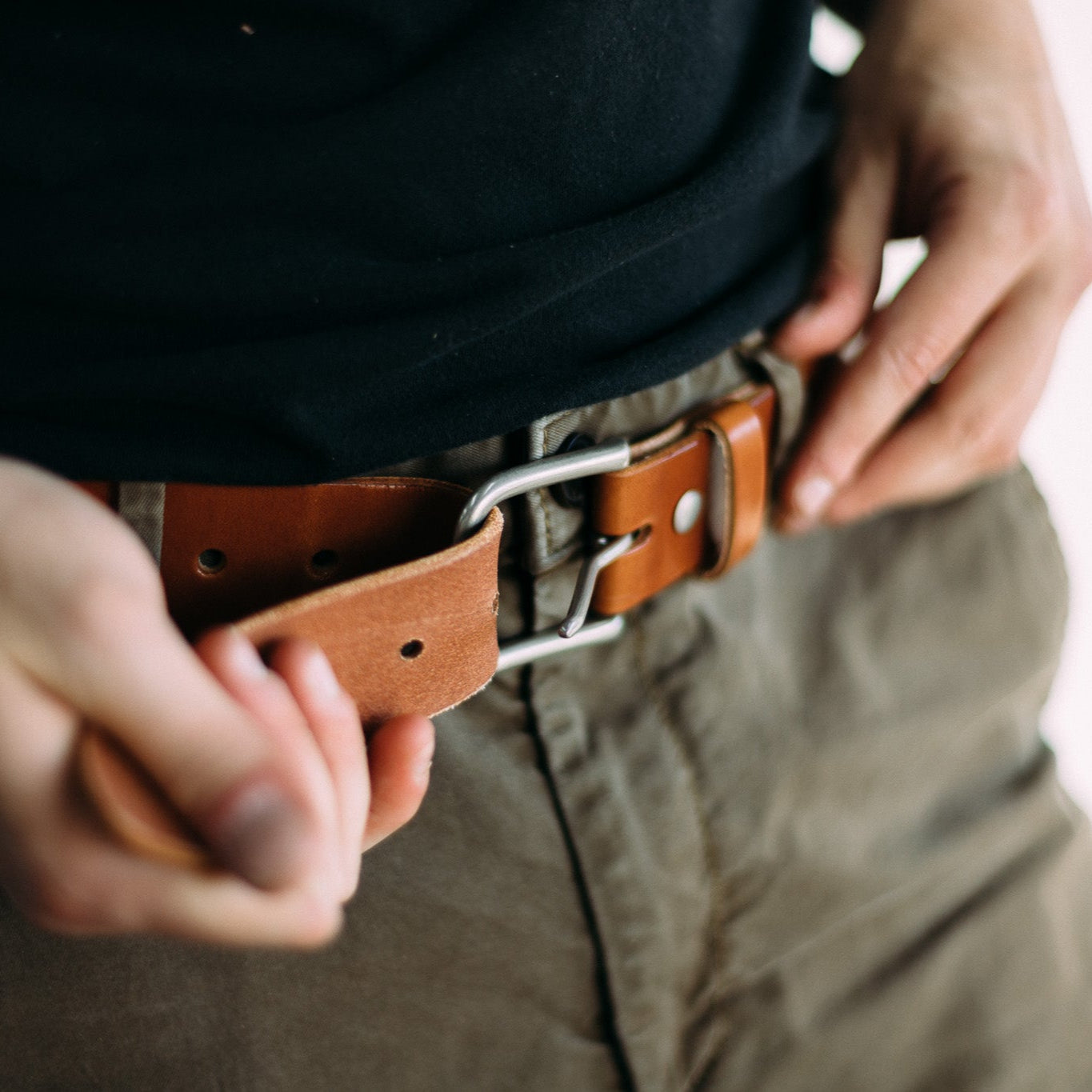
If the break-in process has inspired you to expand your gear, explore the full range of quality items. Check out the selection of card holders for a slimmer profile option. For an uncompromising daily foundation, elevate your style with durable leather belts. Need more? Small everyday carry items and functional home and desk leather accessories also make great additions.
Every item is built to be a lifetime investment. If you have questions about leather care, please contact us.