From Hide to Wallet: Inside Our Handcrafting Process
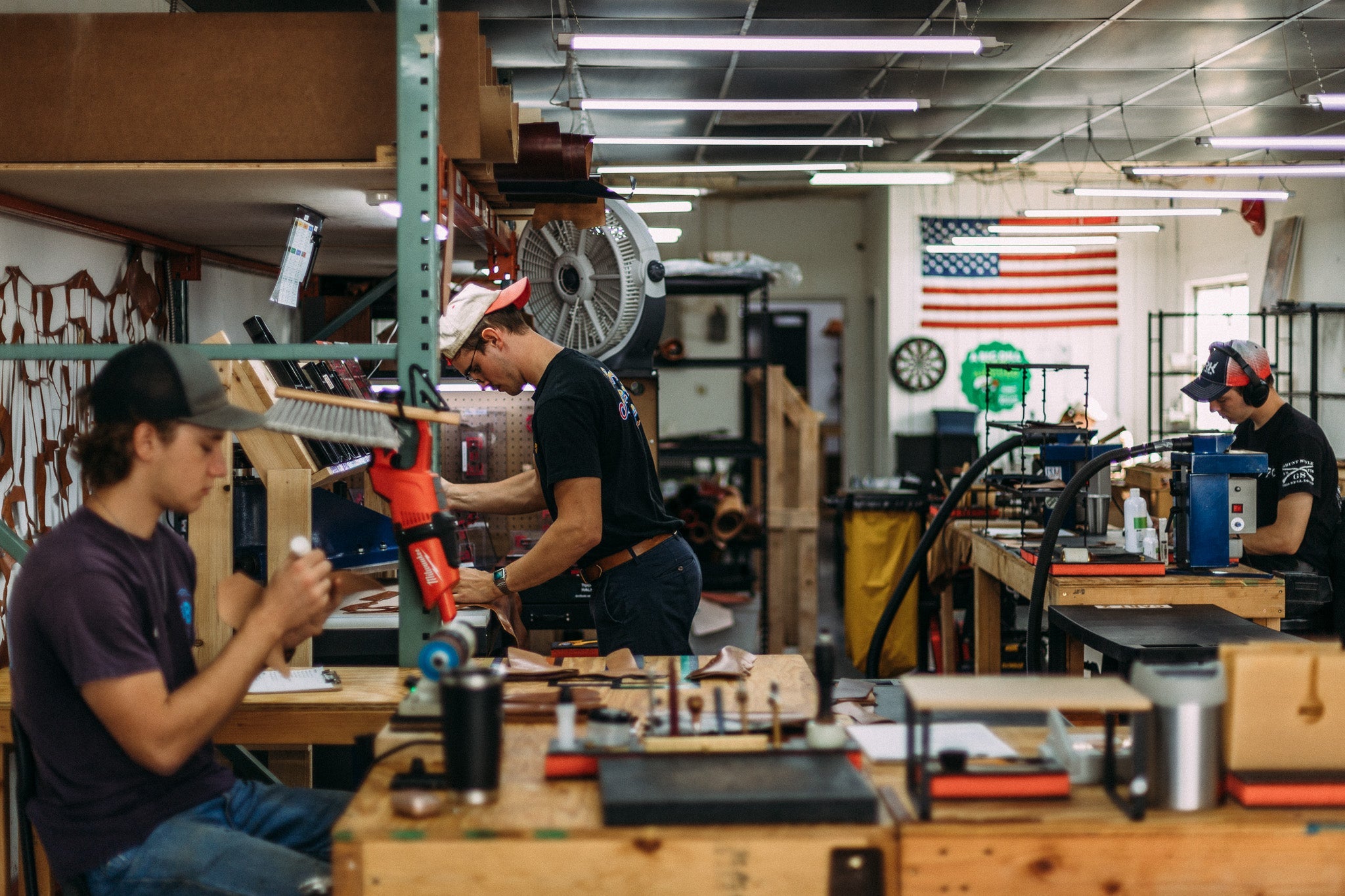
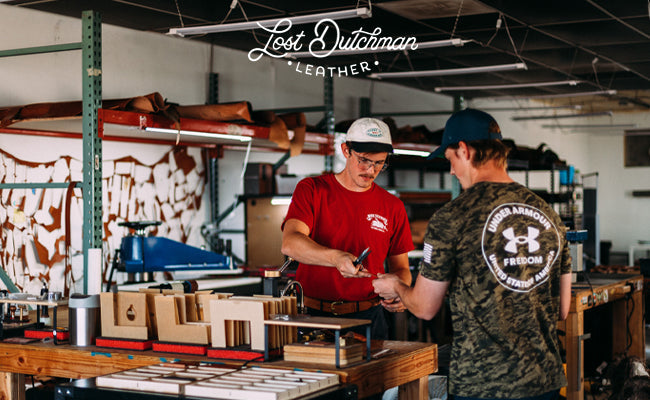
A wallet is more than a piece of leather stitched together. It is a companion that shares your daily life, quietly gathering the marks and stories of your journey. At Lost Dutchman Leather, each piece begins not as a product but as a promise, a commitment to durability, craftsmanship, and timeless design. What follows is the wallet handcrafting process, a careful journey from raw hide to finished wallet that showcases the tradition of true American craftsmanship.
The Art of Selection: Choosing the Right Hide
Before any knife touches leather, before any stitch is pulled tight, the journey begins with the hide itself. The material forms the soul of the wallet. No detail is more important.
Full-Grain Leather: The Foundation of Quality
Only full-grain leather makes the cut. This is the uppermost layer of the hide, rich with natural grain, unique markings, and unmatched strength. Unlike top-grain or corrected leathers, full-grain is never sanded down to hide imperfections. Instead, every scar, pore, and subtle shade variation becomes part of the story.
Think of it like wood: sanding down an oak board may give you a smooth finish, but you lose the grain that makes it strong and beautiful. With full-grain leather, the natural fibres remain intact, and that’s what ensures durability and graceful aging. Over time, it develops a patina, that deep and distinctive sheen that rewards you for carrying the wallet every day.
The Hand Inspection
Every hide is laid out and inspected by hand. The artisan’s eye looks for the right balance: thickness, texture, flexibility, and minimal flaws. Too many scars or insect bites can weaken the material, while hides that are overly soft may not hold their shape. Each chosen hide must pass this test, only then can it enter the workshop.
Key Takeaways:
-
Full-grain leather is chosen for its strength, beauty, and patina.
-
Each hide is hand-inspected to ensure quality from the very beginning.
Cutting with Precision: Pattern Making and Efficiency
Once the leather is selected, the next step is shaping it into the pieces that will form a wallet. This is where efficiency meets artistry.
The Role of the Pattern
Patterns are carefully crafted to minimise waste while maximising yield. Much like a tailor cutting fabric for a bespoke suit, each curve and cut is measured, mapped, and aligned with the natural contours of the hide. A good pattern ensures consistency without sacrificing the individuality of each wallet.
Traditional Tools Meet Modern Accuracy
While sharp knives and round knives remain essential, modern cutting tools can also assist with precision. A clean cut is vital; ragged edges or uneven lines compromise the fit and finish later. This stage is where a handcrafted wallet first distinguishes itself from mass-produced alternatives: precision and care, not speed, guide the blade.
Key Takeaways:
-
Patterns minimise waste and guide consistent cutting.
-
Traditional tools ensure clean, precise cuts that honour the hide.
The Saddle Stitch: Strength in Every Thread
If the hide is the soul, the stitching is the backbone. Unlike factory wallets sewn with machines, Lost Dutchman wallets are finished using hand stitching leather wallets techniques that have stood the test of centuries.
The Two-Needle Approach
The saddle stitch uses two needles and a single thread. Each passes through the same hole from opposite sides, locking the stitch in place. If one side wears down, the stitch still holds. This makes it vastly stronger than the machine lockstitch, where a single break can unravel the seam.
A Meditative Craft
Hand stitching leather wallets is not about speed. The artisan finds rhythm in the pull of the thread, the resistance of the leather, and the uniform spacing of the stitches. Each movement is deliberate, slow, and sure. The result is a seam that not only secures the wallet but adds to its beauty, a quiet mark of patience and tradition.
Key Takeaways:
-
The saddle stitch is stronger than machine stitching.
-
Hand stitching leather wallets is slow, deliberate, and timeless.
Edge Finishing: The Devil Is in the Details
Edges are often overlooked, but in fine leatherwork, they matter as much as the body. Poorly finished edges fray, peel, and weaken. Well-finished edges protect the wallet and elevate its appearance.
Bevel, Burnish, Protect
Edges are first bevelled to soften their corners. Next, they’re burnished, rubbed with wood and beeswax until smooth and polished. This not only adds visual refinement but also shields the leather against wear and moisture. A wallet with properly finished edges will feel comfortable in hand and age with elegance.
Key Takeaways:
-
Bevelled and burnished edges improve durability and aesthetics.
-
Edge finishing separates handcrafted wallets from machine-made products.
Quality Control: The Final Inspection
Every wallet undergoes a rigorous final inspection before leaving the workshop.
A Critical Eye
Artisans look for uneven stitches, imperfect cuts, or rough edges. No wallet leaves unless it meets the workshop’s high standard.
A Mark of Assurance
This process ensures that each piece represents the best of Lost Dutchman Leather, a guarantee of durability, care, and craftsmanship.
Key Takeaways:
-
Every wallet is inspected for flaws.
-
Quality control ensures only the finest wallets reach customers.
The Beauty of Aging: Patina and Character
What sets a handcrafted wallet apart is not only how it looks on day one, but how it transforms over time.
The Patina Story
Full-grain leather develops patina, a sheen that reflects your daily use. Like the fading of denim or the scuffs on a well-loved pair of boots, patina adds individuality. No two wallets age the same, each becomes a personal archive of your life.
Analogy: Just as a cast-iron skillet grows seasoned with each meal, a wallet deepens in beauty with each year of use.
A Fictional Anecdote: A Wallet That Travels Through Time
Consider a customer named Mark. He bought his Franklin Wallet from Lost Dutchman Leather five years ago. It has been with him through long hikes in the Rockies, late nights at the office, and quiet dinners with friends. Over time, the leather darkened, the edges softened, and the patina bloomed. Yet the stitching remains as strong as the day it left the workshop.
Mark doesn’t just carry a wallet. He carries a story, and that is the true value of craftsmanship.
Next Steps: Finding the Right Wallet for You
If you’re ready to carry a piece of craftsmanship that will last for years, explore our range:
-
Discover the full range in our All Wallets Collection.
-
For minimalist design, explore the Card Holders.
-
For tradition reimagined, see the Bifolds.
-
Looking for innovation? The Franklin Wallet offers a stitch-less design.
If you’d like advice on finding the right product, feel free to contact us.
Final Thoughts
The wallet handcrafting process is not simply about making something functional. It is about creating a durable companion that reflects values of patience, integrity, and artistry. Each wallet embodies the philosophy of buying it once and carrying it for life. In a world of disposable goods, a handcrafted wallet stands as a testament to permanence.