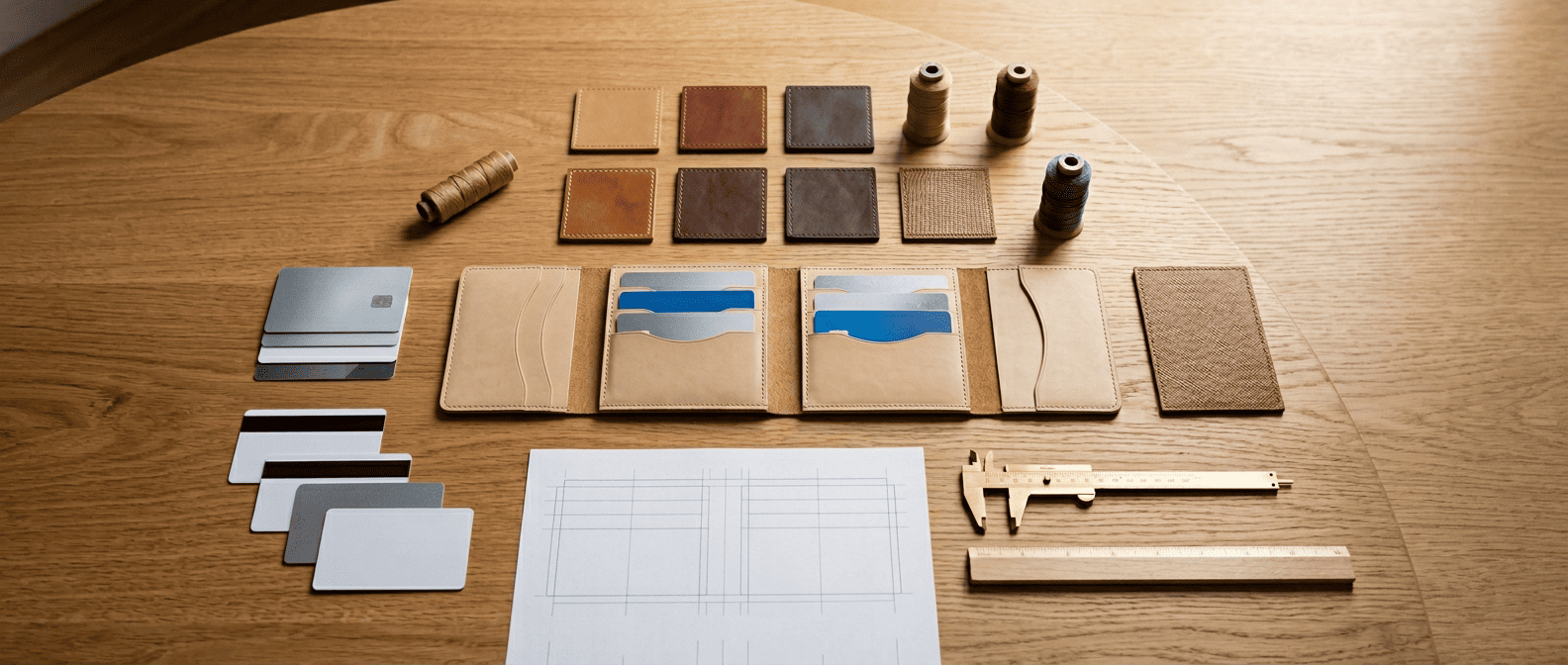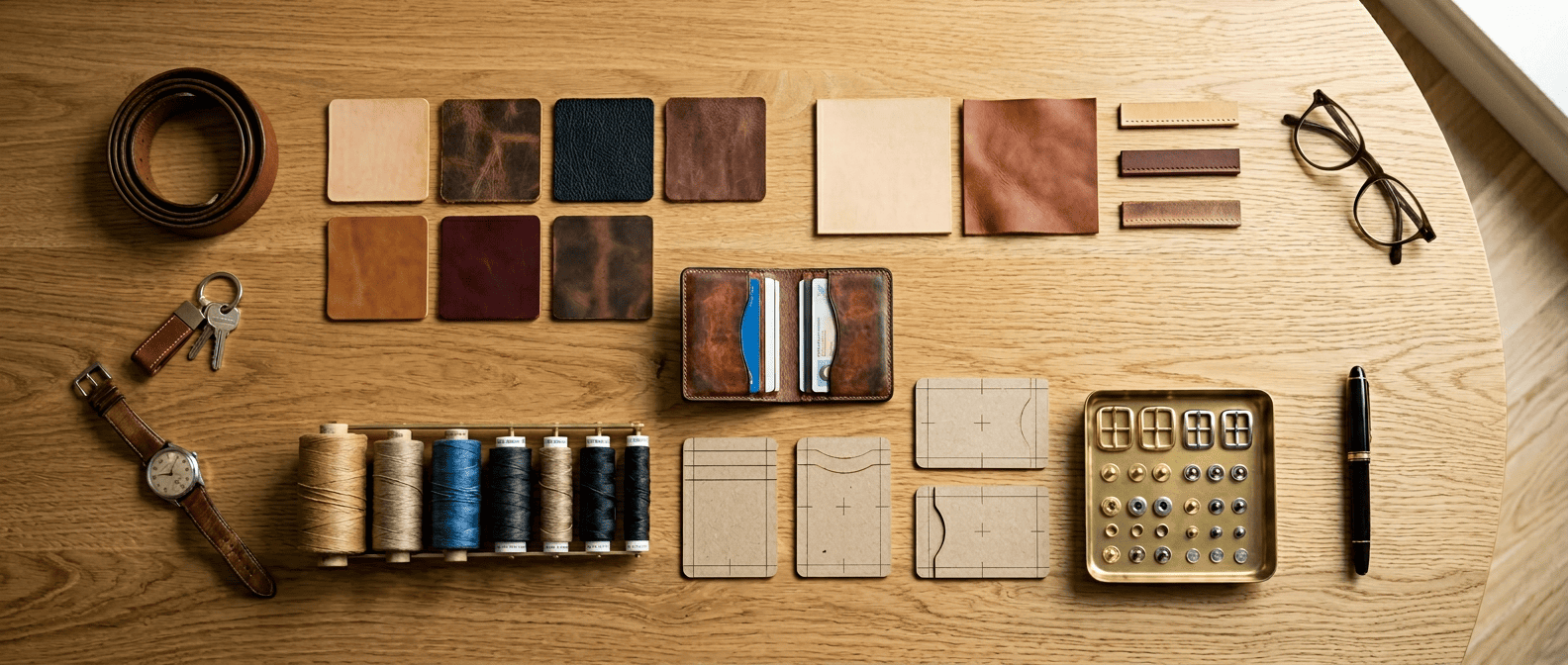
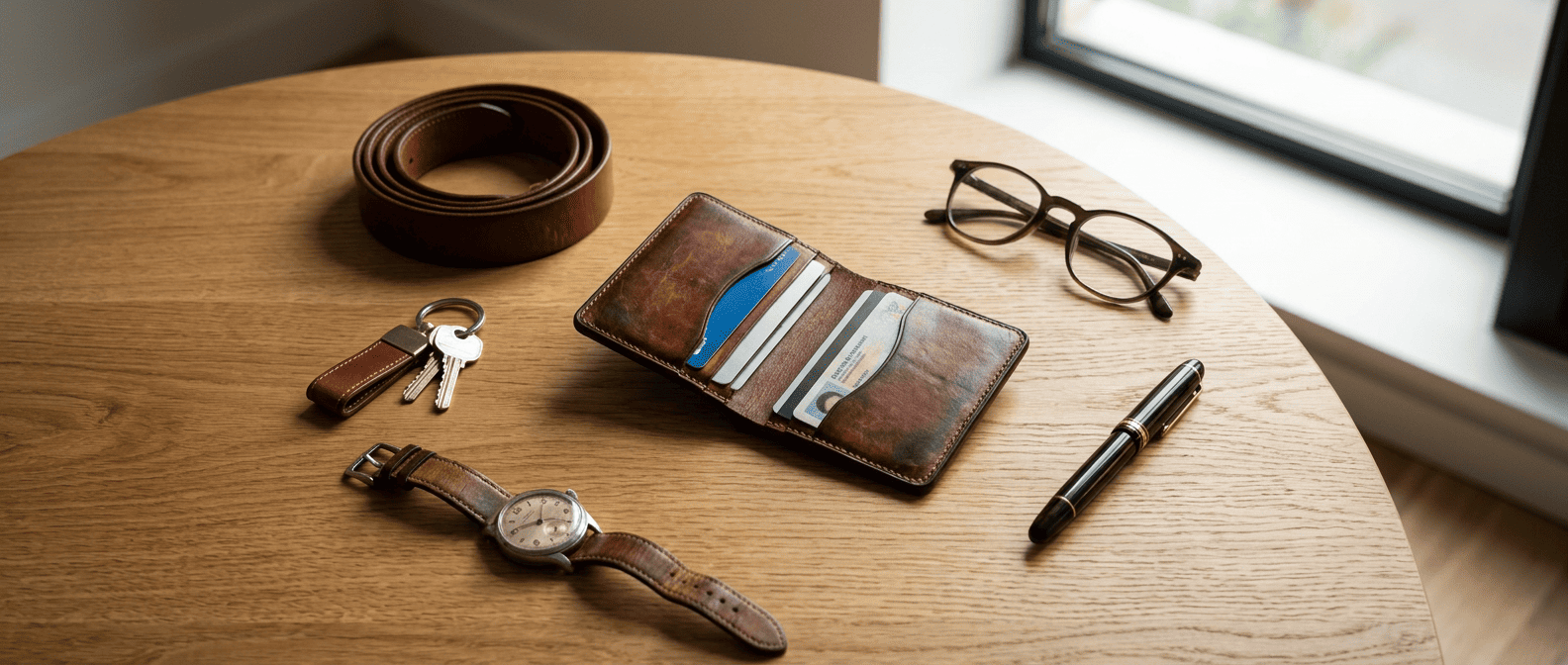
Creating a Signature Wallet: Building a Design That Reflects Your Personal Brand
A wallet is not just a place to store cards and cash. It is something you touch dozens of times every single day. You pull it from your pocket in meetings and at dinner. Over time, it becomes an extension of how you present yourself. Creating a signature wallet is about making deliberate choices that align with your values.
Most people settle for whatever is available at the mall or online. But there is a better approach to choosing your gear. You can build a signature leather wallet that genuinely reflects who you are. This is not about following fashion trends or status symbols. It is about understanding what makes a tool work for you specifically.
Think of your wallet like a favorite pair of leather boots. They start stiff but eventually mold perfectly to your unique stride. A signature leather wallet works the same way as you use it daily. It reflects your journey through the marks and colors it picks up. We want to help you start your personal brand wallet design today.
Understanding What Signature Really Means
The term "signature" is often thrown around in marketing ads today. In the workshop, it means a design that reflects your actual carry priorities. You should start by examining how you currently use your pocket space. Do you carry eight cards or twenty in your gear? This determines if a signature leather wallet will work for your reality.
Your design should solve problems you actually face every day. If you are constantly digging for one card, you have a design problem. If your wallet creates a bulky bulge, you have a material problem. A successful personal brand wallet design fixes these frustrations through smart layout choices. The goal is to create something that works better than any shelf option.
Lost Dutchman Leather believes that quality gear should tell a story. We focus on builds that age with you and improve with use. This approach ensures every piece becomes a personal record of your journey. It is a commitment to quality over fast fashion.
These full grain leather wallets are designed for those who value authenticity. We use the best materials to ensure your signature piece lasts for decades. Choosing quality over quantity is the first step in creating a legacy. It shows you value items that stand the test of time.
Material Selection: Where Personal Brand Starts
Leather quality determines everything else about your new build. You can have perfect construction, but poor materials will always fail you. Full-grain leather is the strongest and most durable option available to makers. It is the top layer of the hide with the natural grain intact. This allows for beautiful full-grain leather patina to develop.
Compare this to corrected-grain or bonded leather used in mass production. Those materials are sanded down and stamped with fake patterns. They often crack and peel within just a few months of carry. They are essentially leather-flavored cardboard that cannot develop a rich patina. We avoid these materials to protect the integrity of your personal brand wallet design.
Vegetable-tanned leather offers a unique experience that chrome-tanned hides cannot match. The process uses plant materials and takes many weeks to complete. This results in a vegetable-tanned leather character that is firm and structured. It holds its shape better while developing the deep color everyone loves. Choosing this material sends a signal that you value true craftsmanship.
Construction Methods That Match Your Values
How a wallet is built reveals the priorities of the craftsman. Stitched construction is traditional and allows for easy repairs over time. We focus on saddle stitch durability because it is the strongest method known. This technique uses two needles passing through the same holes from opposite sides. It creates a seam that will never unravel.
Machine stitching is much faster but creates a single continuous thread. If it breaks anywhere, the entire seam can come undone quickly. You will see this difference within the first year of daily use. High saddle stitch durability is essential for any gear you plan to keep forever. It ensures your signature leather wallet remains structural and secure.
Some designs eliminate stitching entirely by using a single piece of hide. This removes potential failure points and forces material honesty from the maker. You cannot hide poor quality in a stitchless build. We recommend reading a stitchless wallet review if you value total simplicity. It is a bold choice for a modern personal brand wallet design.
Designing For Your Actual Carry Style
Wallet design starts with where you choose to carry your gear. Front-pocket carry requires a slim profile to remain comfortable while walking. Back-pocket carry allows for more bulk but creates specific wear patterns. You should choose a layout that matches your specific pocket placement. This is the first step in creating a signature wallet.
Card holders work best for true minimalists who carry very little. They typically hold four to six cards and a small amount of cash. These designs are perfect for those who want to strip away the excess. They represent the ultimate level of pocket efficiency for daily use.
A vertical bifold wallet changes how you access your most-used items. Instead of fanning them out wide, you pull them vertically from the top. This creates a narrower footprint that disappears into your pocket. It is a smart choice for those who need capacity without the bulk.
We also offer traditional layouts for those who need more capacity. Our leather bifold wallet collection strips away the excess while keeping the benefits of the format. You should think through your cash usage before committing to a final design. Retrieval speed is often more important than maximum card capacity. A signature wallet should never slow you down.
Personalization That Adds Function
True personalization should improve how the wallet works for you. Monograms look nice, but they do not change the daily function. Personalizing leather gear involves choosing card slot depths that match your cards. If you carry a thick access badge, your slots should be sized for it. Generic sizing often leads to loose fits or tight squeezes.
Consider what items you reach for most often during the day. Your primary payment card should be in the most accessible slot. Items like insurance cards can be buried deeper in the layout. This frequency-based design is a core part of creating a signature wallet. It turns a simple accessory into a highly efficient tool.
Color selection is also a practical part of personalizing leather gear. Lighter colors show the development of a full-grain leather patina very dramatically. If you want to watch your gear transform, choose a natural or tan hide. A buck brown leather finish offers a great middle ground for professional settings. It provides depth without being too flashy for a business meeting.
The Break-In Period And Long-Term Evolution
New leather wallets are always stiff when they first arrive. This is a sign of a dense vegetable-tanned leather character. The fibers need time to mold to your cards and pocket shape. This process usually takes two to four weeks of daily carry. You should avoid overstuffing the wallet during this critical time.
A customer named James bought a natural tan wallet last year. He was worried about the initial stiffness and the light color. After six months of carry, the leather had turned a deep honey brown. He told us it was now the most comfortable item he owned. This illustrates how full-grain leather patina creates a one-of-a-kind signature piece.
Patina development starts the moment you begin handling the hide. Oils from your hands darken the leather where you grip it most. Pocket friction creates unique wear patterns that reflect your specific lifestyle. These marks are not damage; they are the heart of creating a signature wallet. Your gear becomes uniquely yours through the story of its use.
Maintenance That Preserves Without Preventing Patina
Maintenance is simpler than the leather care industry wants you to think. Full-grain hand-stitched leather goods do not need constant conditioning to stay strong. Over-conditioning can actually soften the hide too much and ruin the shape. You should only condition the leather once or twice a year.
We believe that hand-stitched leather goods deserve honest care. You should avoid heavy waxes that block the natural pores. These products prevent the development of a rich full-grain leather patina. Stick to simple conditioners that keep the fibers supple and healthy.
Clean your wallet occasionally with a slightly damp cloth to remove dirt. Let it dry naturally at room temperature before putting your cards back in. Never use direct heat sources like a hair dryer to speed up drying. This can crack the fibers and ruin the vegetable-tanned leather character. Less is always more when caring for high-quality items.
The goal of maintenance is to keep the leather supple, not new. "New" is not the goal for a signature leather wallet. An aged and characterized appearance is what makes the gear valuable. Talk with our craftsmen about your next wallet if you have more questions about long-term care. We are always ready to help you build a piece that lasts.