Classic vs. Modern: Blending Timeless Craft with Contemporary Needs
There’s something remarkable about the way true craftsmanship endures, even as the world around it changes. At Lost Dutchman Leather, each product is an intersection of two worlds: the age-old discipline of modern leather craftsmanship and the evolving needs of the present day.
It’s not about choosing between the old and the new. It’s about understanding how heritage techniques can serve a modern lifestyle, how the slow, deliberate methods of traditional artisanship still have a place in an age defined by convenience and speed.
This balance defines every belt, wallet, and keyring that leaves the bench. The materials, the methods, and the design language all serve a single idea: durability through intention.
The Enduring Appeal of Classic Craftsmanship
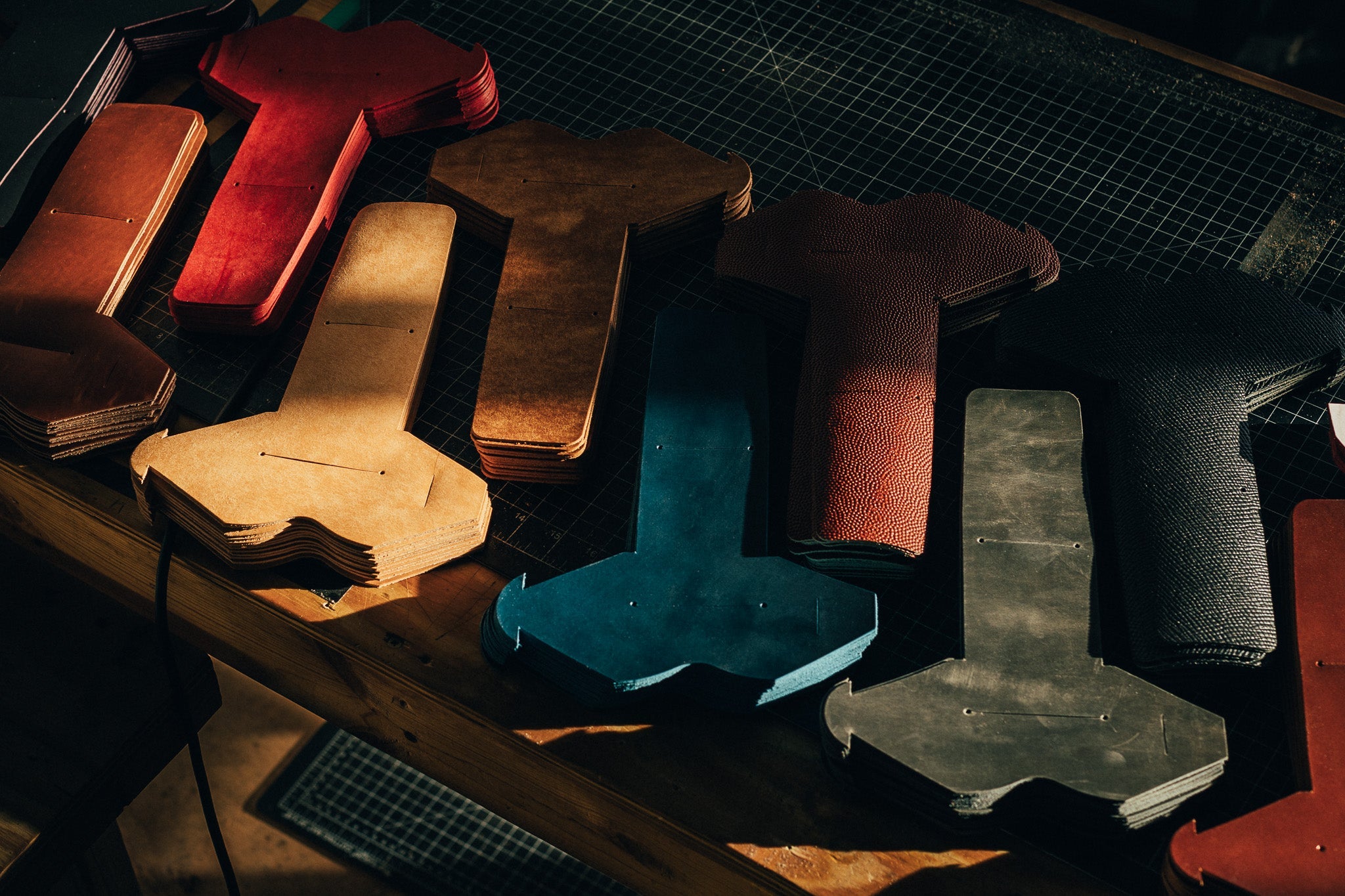
Some things survive centuries because they can’t be improved upon, only refined. Hand-stitching, vegetable tanning, and careful hand-finishing remain essential because they produce a quality no factory process can truly replicate.
A machine can replicate a pattern, but it can’t respond to the subtleties of a natural hide. Only a craftsman can adjust tension to suit a particular grain, ensure every edge burnish is even, and position a seam where the leather’s structure supports it. That relationship between hand and material is what gives life to a piece of leatherwork.
Durability lies in detail. Traditional techniques aren’t slower for nostalgia’s sake, they’re slower because they work. Hand-stitching, for example, locks every thread individually. If one stitch gives, the rest remain intact. Compare that to a machine lockstitch, where one failure can unravel an entire seam.
Key Points:
-
Traditional methods exist because they’ve proven reliable.
-
Hand-stitching provides greater structural integrity.
-
Vegetable tanning enhances longevity and beauty over time.
Redefining Modern Needs
Modern living doesn’t leave much room for excess. People carry less but demand more performance from what they own. A wallet now needs to fit sleekly in a pocket, resist wear, and often incorporate wallets with RFID protection. A belt must endure daily use without stretching or losing shape. Accessories must adapt to the realities of travel, technology, and active routines.
For today’s user, form and function aren’t separate; they’re inseparable. Minimalism isn’t a visual style, it’s a practical response to how people move, work, and live.
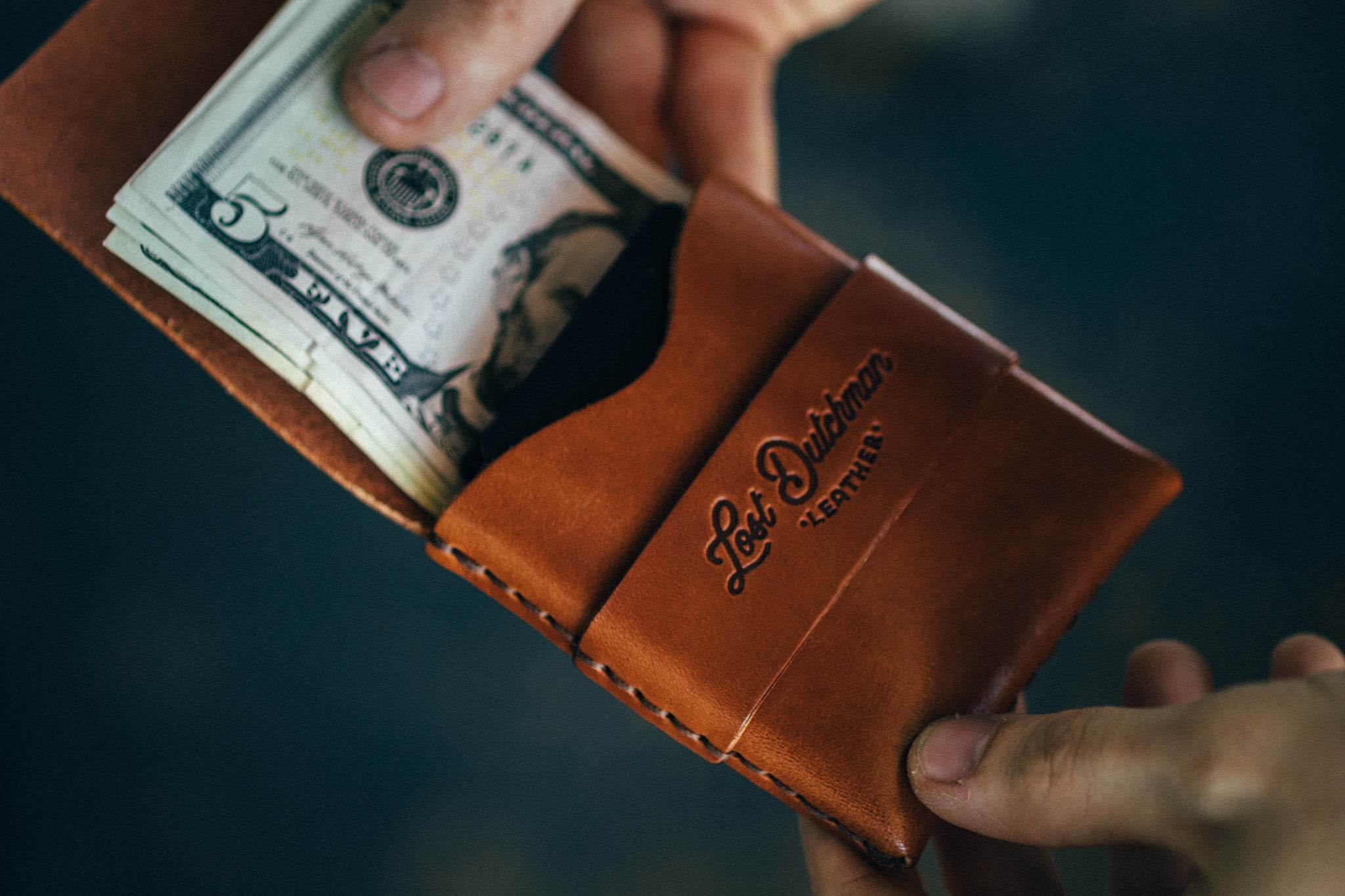
This is where traditional craftsmanship meets modern design. A wallet built by hand, from full-grain leather, remains timeless, but its format, capacity, and security features evolve to match modern expectations. That’s what defines modern leather craftsmanship: not rejecting tradition, but perfecting it for the world we live in now.
Key Points:
-
Contemporary users demand slim, functional, reliable goods.
-
RFID-protected wallets combine heritage design with digital safety.
-
Modern craftsmanship adapts old techniques to new lifestyles.
The Lost Dutchman Leather Approach
The philosophy at Lost Dutchman Leather is simple: preserve tradition, embrace innovation, and reject compromise.
Every product starts from a material first, premium, full-grain leather sourced for its density and natural texture. The crafting process honors classic techniques, while the final design meets modern expectations of usability and practicality.
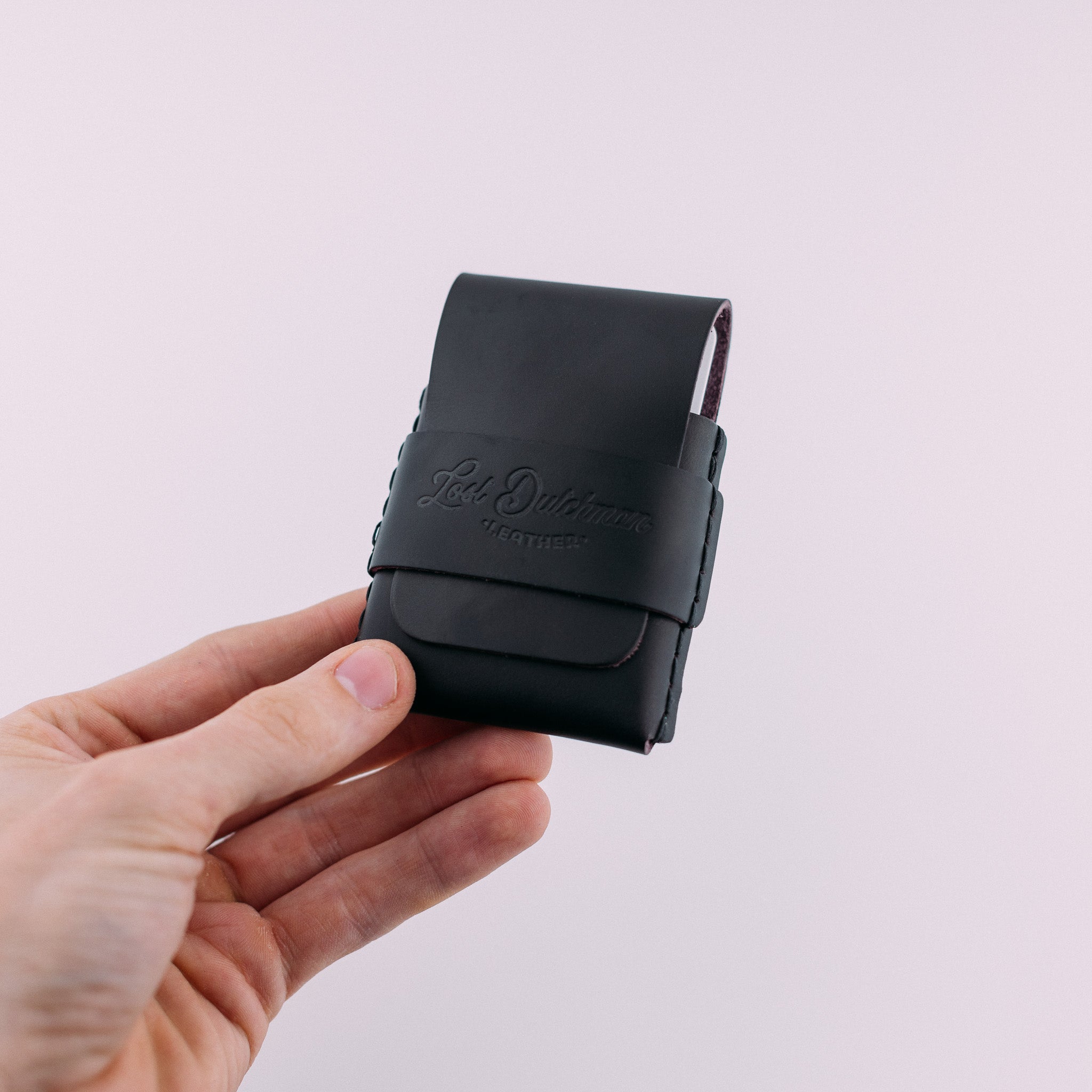
This balance gives life to pieces like The Franklin Wallet. Made from a single piece of leather and completely stitch-less, it captures both worlds perfectly. It’s minimal and modern, yet built using principles that have guided leather artisans for generations.
Key Points:
-
Every design honors heritage while serving modern function.
-
Minimalist construction reduces weak points and improves lifespan.
-
Each piece embodies craftsmanship adapted for daily use.
Full-Grain Leather: The Foundation of Quality
No amount of design skill can substitute for good material. True durability begins with full-grain leather, the top layer of the hide, where the natural fibers remain untouched. This is where strength, flexibility, and longevity coexist.
Full-grain leather maintains its original grain, allowing it to develop a rich patina over time. That patina isn’t a flaw or a fade; it’s proof of authenticity, a visual record of the life you’ve lived with the product.
The same cannot be said for corrected-grain or bonded leathers. These materials are processed, coated, and often stripped of their organic fiber structure. They may look uniform, but they lack the integrity that allows true leather to age gracefully.
Key Points:
-
Full-grain leather offers unmatched strength and natural resilience.
-
It develops a deep patina, improving with time.
-
Quality materials ensure decades of dependable use.
Form Follows Function: A Guiding Design Principle
A piece of leatherwork should look good because it works well, not the other way around. This idea, form follows function, drives every design decision at Lost Dutchman Leather.
Every wallet, card holder, and belt is stripped down to its essential elements. Each edge, fold, and seam exists for a purpose. The result is balance: practicality without pretension.
Take the Vertical Dutchman, for example. It’s a vertical-style bifold that merges classic function with modern proportions. The layout suits cards, folded notes, and digital life, slim enough for modern carry, substantial enough to age with character.
Key Points:
-
Purpose dictates form; unnecessary elements are removed.
-
Clean design enhances everyday function.
-
Products remain simple yet deeply intentional.
The Art of the Saddle Stitch
Among all traditional methods, saddle stitching remains one of the truest measures of craftsmanship. It’s slow, deliberate, and unforgiving, but the result is unyielding strength.
Each stitch uses two needles passing through the same hole from opposite sides. This locks the thread within the leather, ensuring that even if one side breaks, the seam remains intact. It’s a technique that originated in saddlery, gear expected to survive stress, weather, and time.
In the world of modern leather craftsmanship, saddle stitching represents the bridge between past and present: a centuries-old method that still outperforms machine sewing in both strength and beauty.
Key Points:
-
Saddle stitching locks each thread securely for superior strength.
-
A broken stitch doesn’t compromise the whole seam.
-
The process demands patience and precision, ensuring reliability.
Patina: The Living Record of Time
Few materials tell stories like leather. Over years of use, full-grain leather darkens, softens, and develops a subtle sheen, a natural patina. It’s not wear; it’s a transformation.
Every mark and crease records life’s movement, a wallet pulled from a pocket countless times, a belt fastened through daily routine, a keyring brushed against denim and wood. Each one builds character rather than taking it away.
That evolving beauty is part of what makes Lost Dutchman Leather products enduring. They’re designed not to hide age but to showcase it, turning function into personal history.
Key Points:
-
Patina is the mark of genuine, high-quality leather.
-
Every product develops unique visual depth over time.
-
Aging is an enhancement, not a flaw.
Examples from the Collection
The philosophy of blending classic and modern is evident across the range:
-
The Belt: A straightforward full-grain leather belt designed to age gracefully and last a lifetime.
-
The AirTag Keyring: Proof that tradition and technology can coexist, premium leather craftsmanship meets modern utility.
-
The Lanyard – Large: Rugged, practical, and built for the realities of everyday use.
Each product demonstrates how traditional techniques can be reinterpreted for today’s demands. Whether it’s minimalist design, technical integration, or durability, every piece represents the harmony between past and present.
Key Points:
-
Each design combines heritage and innovation.
-
Products address modern functionality while preserving authenticity.
-
Quality and endurance remain the constant.
The Role of Innovation in Modern Leather Craftsmanship
Heritage techniques form the backbone of the work, but innovation shapes how those techniques evolve. New tools allow for more precise cuts, modern oils and conditioners enhance flexibility, and contemporary design thinking introduces features like RFID shielding without compromising integrity.
The introduction of wallets with RFID protection is a prime example. It’s a modern feature added not as decoration but as necessity, protecting digital data while maintaining the organic, tactile experience of real leather. The challenge lies in integrating such advancements seamlessly, so they complement rather than conflict with traditional design.
This kind of innovation doesn’t replace craftsmanship. It refines it.
Key Points:
-
Innovation strengthens tradition by improving functionality.
-
RFID protection adds modern relevance to classic designs.
-
Progress in materials and design enhances longevity.
Caring for Leather: Preserving Heritage at Home
Even the most carefully crafted piece benefits from proper care. Maintenance preserves both appearance and integrity.
-
Condition Regularly: Apply a high-quality leather conditioner every few months to prevent drying and cracking.
-
Avoid Overexposure: Keep away from direct sunlight and heat sources that draw out natural oils.
-
Clean Gently: Wipe dust or dirt with a soft, damp cloth; never soak.
-
Store Properly: Keep in a cool, breathable space to prevent mildew.
Well-cared-for leather doesn’t just last, it improves, revealing depth and richness over years of use.
Key Points:
-
Regular conditioning maintains flexibility.
-
Proper cleaning prevents premature aging.
-
Correct storage ensures decades of usability.
The Future of Craftsmanship
For a long time, craftsmanship seemed destined to fade under mass production. But the resurgence of appreciation for quality, authenticity, and origin has changed that.
Today’s buyer seeks meaning in ownership, something with a story, something that lasts. This cultural shift ensures that modern leather craftsmanship has a strong future. Hand-built goods now represent sustainability, individuality, and conscious consumption.
At Lost Dutchman Leather, the commitment to this revival is constant. Each piece is built to stand as proof that slow, intentional work still has a place in a fast world.
Key Points:
-
The value of handmade goods is being rediscovered.
-
Authenticity and longevity define the future of craft.
-
Quality over quantity remains the guiding principle.
Sustainability Through Longevity
Sustainability isn’t only about materials, it’s about lifespan. Every product that lasts prevents waste. Full-grain leather, responsibly sourced and carefully treated, can last for decades when properly maintained.
Each wallet or belt designed for longevity reduces the need for replacement, making durability itself a sustainable act. Slow production, fair sourcing, and respect for material integrity combine environmental awareness with practical craftsmanship.
Key Points:
-
Long-lasting products reduce consumption.
-
Responsible sourcing and durability go hand-in-hand.
-
Sustainability and craftsmanship share the same values.
Final Thoughts: The Balance That Endures
Classic methods endure because they work. Modern innovation matters because it keeps those methods relevant. Between them lies a harmony, a philosophy that defines every Lost Dutchman Leather creation.
The fusion of modern leather craftsmanship with time-honored techniques isn’t about nostalgia or novelty. It’s about balance, crafting goods that are both timeless and timely.
A wallet or belt should feel at home in any era. It should look refined, perform reliably, and tell a story through use. When traditional integrity meets contemporary design, that’s exactly what happens.
Next Steps
Explore the full Wallets Collection and experience the strength of traditional craft adapted for modern life.
Browse the Card Holders for a minimalist option, or discover the Bifolds for classic design with a refined edge.
If you’d like personal recommendations, don’t hesitate to contact us.
Each piece from Lost Dutchman Leather carries the same promise: craftsmanship without compromise, designed for the life you live today.