Collaboration Pieces: Why Artist Partnerships Create Collectible Value
When leather craftsmen partner with artists, something remarkable happens. The resulting pieces transcend ordinary accessories to become wearable art that collectors actively seek out. These artist collaborations merge traditional craftsmanship with creative vision, producing limited editions that often appreciate in value over time.
The leather goods market has witnessed a surge in artist partnerships over the past decade. Major brands like Louis Vuitton's partnerships with Takashi Murakami and Stephen Sprouse set precedents that smaller artisan workshops now follow. These collaborations create scarcity, storytelling, and artistic merit that transform functional items into investment pieces. Understanding what drives collectible value in these partnerships helps both collectors and enthusiasts make informed decisions.
The Economics Behind Leather Collaboration Collectibles
Artist collaborations command premium prices for concrete reasons. Limited production runs create natural scarcity. When Lost Dutchman Leather produces 100 collaboration pieces with an artist versus standard unlimited runs, each piece gains inherent collectible status.
The numbers tell a compelling story. Hermès' collaboration with artist Kongo resulted in pieces that sold for 300% above standard retail within two years. Coach's partnerships with Disney and the Keith Haring estate saw immediate sellouts with secondary market values climbing 40-60% within months. These aren't isolated examples - they represent a consistent pattern across the luxury leather market.
Key factors driving collectible value include:
-
Production limits (typically 50-500 pieces)
-
Dual brand recognition
-
Artistic provenance documentation
-
Material quality and sourcing transparency
-
Artist's reputation and exhibition history
Smart collectors recognize these patterns. They understand that a handcrafted wallet featuring original artwork represents both functional craftsmanship and artistic expression. This duality creates lasting value beyond typical leather goods depreciation curves.
The investment potential becomes clearer when examining long-term market data. Collaboration pieces from respected craftsmen paired with established artists show consistent appreciation rates of 15-30% annually during the first five years. After this initial period, value stabilization occurs, with occasional spikes when either the artist or craftsman gains additional recognition or passes away, creating fixed supply scenarios.
What Makes Artist Leather Pieces Different
Standard leather goods focus on functionality and durability. Artist collaborations add narrative layers that standard pieces lack. Each collaboration tells a specific story about time, place, and creative vision. This storytelling element transforms utilitarian objects into cultural artifacts that document both artistic movements and craftsmanship traditions.
Consider how artist partnerships transform basic leather items through distinctive design elements:
Artistic Surface Treatments:
-
Hand-painted details using leather-specific pigments
-
Laser etching of original designs with precision depth control
-
Custom embossing patterns created from the artist's original work
-
Mixed media integration combining leather with metals, textiles, or unconventional materials
Structural Innovation:
-
Non-traditional leather cuts that challenge conventional construction
-
Experimental closure systems using magnetic, tension, or sculptural methods
-
Asymmetrical designs that prioritize artistic vision over standard symmetry
-
Material combinations that push boundaries of traditional leather working
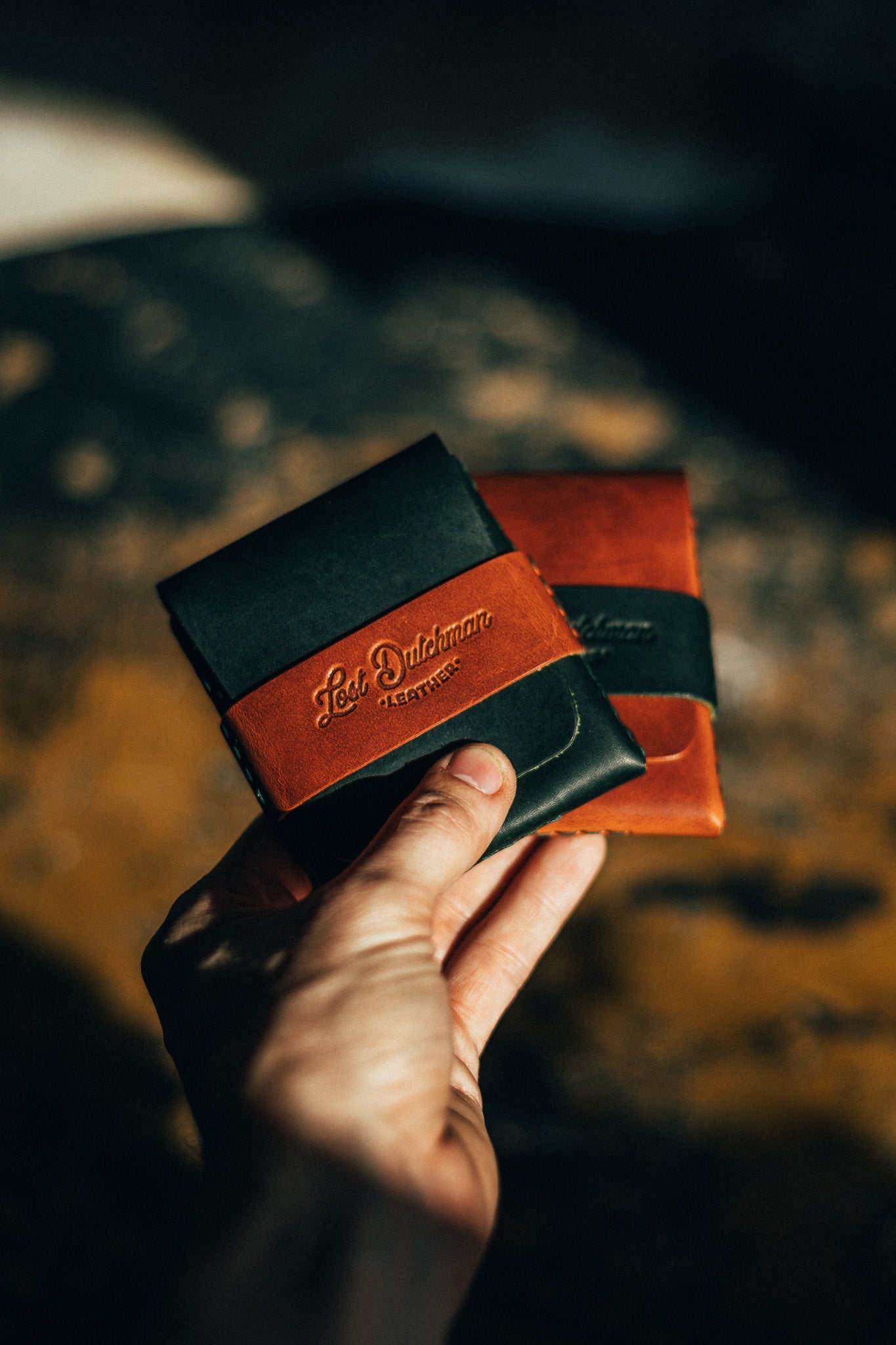
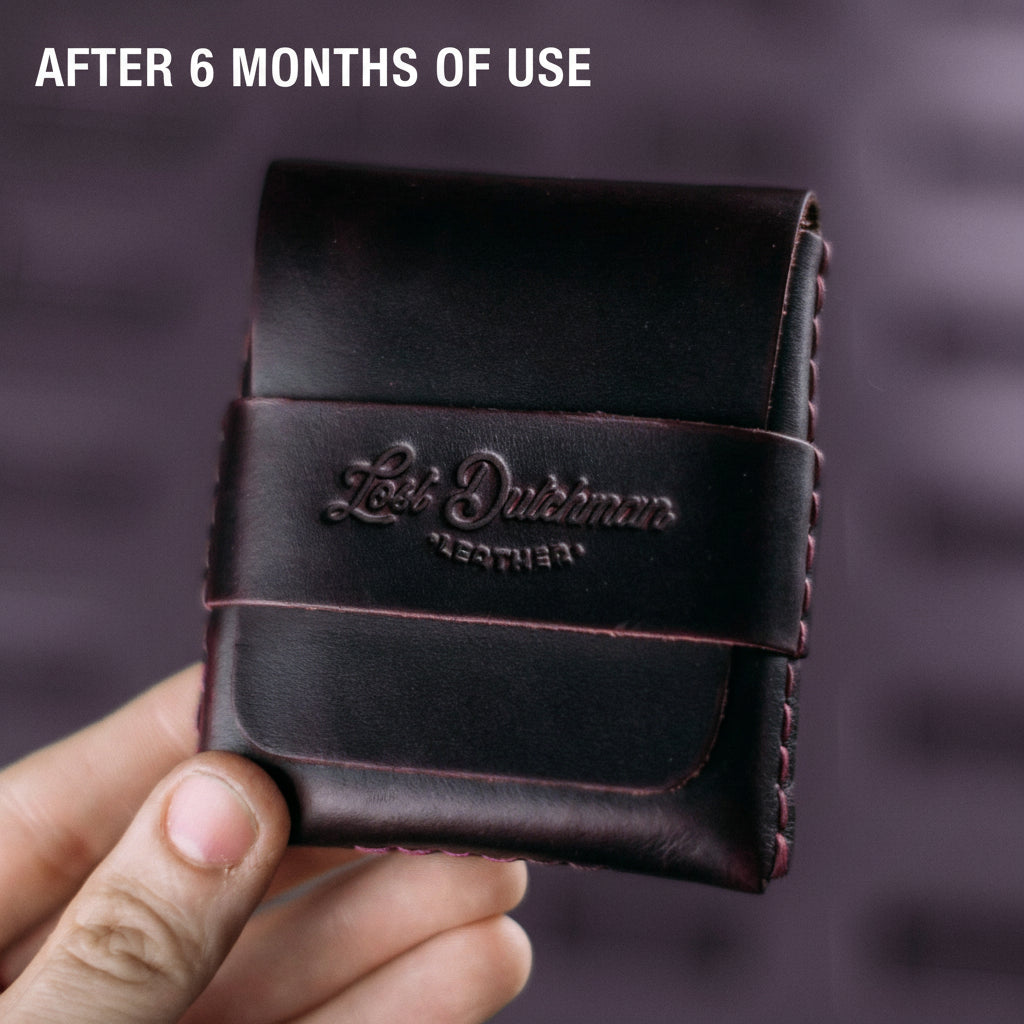
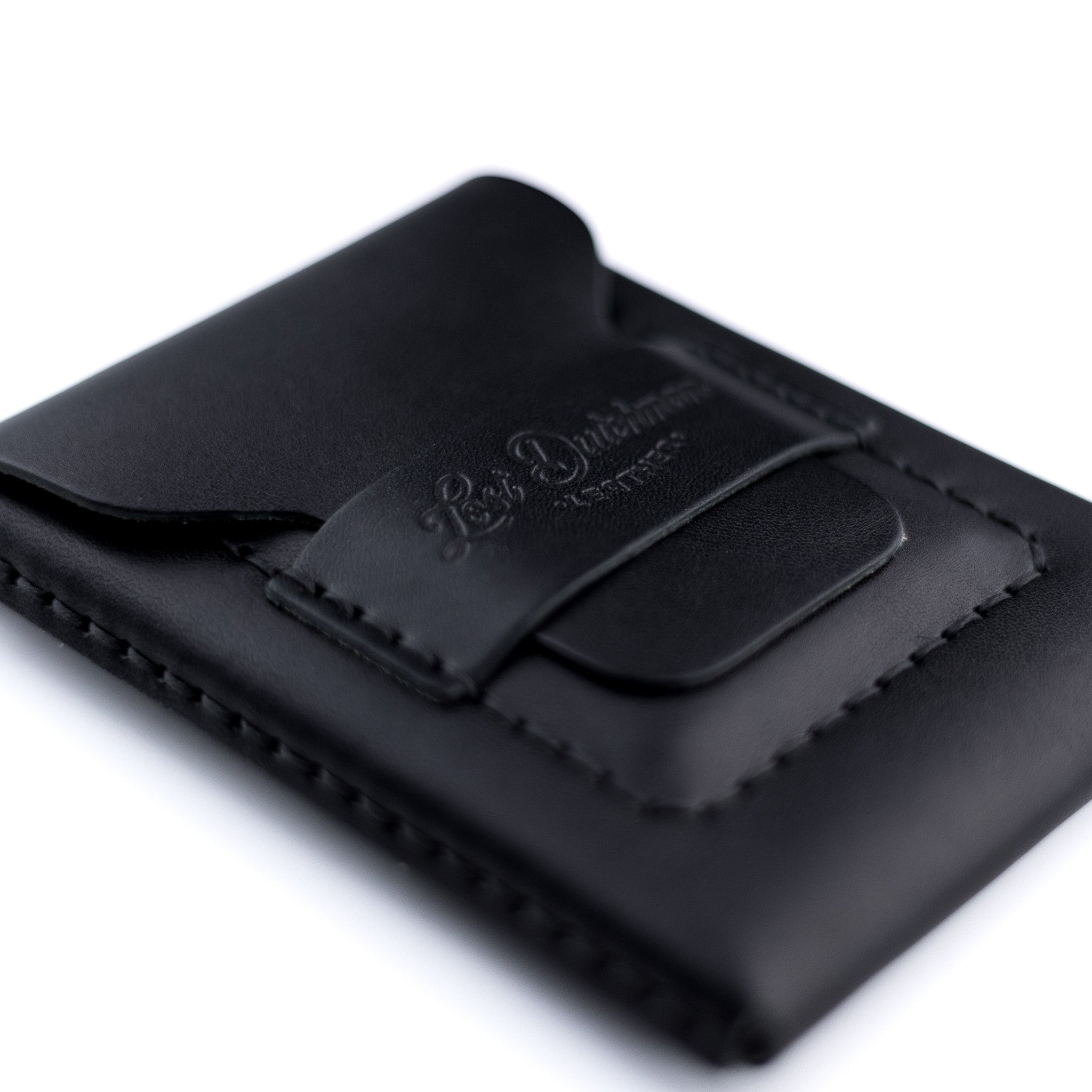
The Franklin Wallet demonstrates how minimalist design provides an ideal canvas for artistic expression. Its single-piece construction allows artists to treat the leather surface as a continuous canvas rather than working around seams and stitching. This uninterrupted surface proves particularly valuable for artists working in continuous pattern designs or narrative illustrations.
Beyond aesthetic considerations, collaboration pieces often incorporate technical innovations. Artists unfamiliar with leather's constraints bring fresh perspectives that challenge craftsmen to develop new techniques. These technical breakthroughs frequently influence the craftsman's standard production line, creating a feedback loop where artistic exploration advances the entire field.
Understanding the Creative Process Behind Collaborations
Successful artist collaborations require extensive planning and mutual respect between parties. The process typically unfolds over several months, beginning with initial concept meetings where artist and craftsman explore compatible visions. This discovery phase determines whether the partnership will produce meaningful work or simply result in superficial branding exercises.
Material selection becomes crucial early in the process. Artists accustomed to working with canvas, wood, or metal must understand leather's unique properties. Full-grain leather responds differently to various media than top-grain or corrected leather. Vegetable-tanned leather offers different possibilities than chrome-tanned materials. These technical considerations shape what's artistically possible.
Production scale decisions happen during the planning phase. Will the collaboration produce 50 pieces, 500 pieces, or something in between? This number affects pricing strategy, marketing approach, and ultimately, collectible value. Smaller editions create more immediate scarcity but limit the artist's exposure. Larger editions allow broader audience access but may reduce individual piece appreciation.
Documentation standards get established before production begins. Who photographs the work? How will certificates of authenticity be structured? What information will accompany each piece? These decisions protect both creator and collector interests while establishing the collaboration's professional credibility.
Authentication and Documentation Standards
Collectible value depends on verifiable authenticity. Serious collaboration pieces include multiple authentication elements that protect both artists and collectors.
Essential documentation includes:
-
Certificate of authenticity with unique numbering
-
Artist signature (physical or laser-etched)
-
Production date and location details
-
Collaboration agreement references
-
Material sourcing documentation
-
Production batch information
Professional leather craftsmen maintain detailed records of each collaboration piece. Photos document the creation process from raw materials through the finished product. Serial numbers link to specific production batches. This documentation becomes crucial for future valuation and resale, particularly as pieces change hands over decades.
Digital authentication methods now supplement physical certificates. QR codes embedded in leather link to blockchain verification systems that create immutable ownership records. Some workshops photograph each piece during production, creating unique digital fingerprints that prevent counterfeiting. Advanced techniques include microscopic leather printing invisible to the naked eye but readable under specific lighting conditions.
The authentication infrastructure grows more sophisticated as collaboration values increase. Insurance companies now require detailed provenance documentation before covering high-value pieces. Auction houses conduct extensive verification before accepting collaboration lots. Collectors who maintain meticulous records from initial purchase through ownership history protect their investment's long-term value.
Market Dynamics of Leather Art Collaborations
The secondary market for collaboration pieces operates differently from standard luxury goods. Auction houses like Christie's and Bonhams now feature dedicated leather goods categories, with artist partnerships commanding premium placement and extended catalog descriptions.
Recent market data reveals interesting patterns:
-
Artist collaborations sell 3x faster than standard pieces
-
Average price premium: 40-80% above base models
-
Sellout rates exceed 90% for limited editions
-
18-month appreciation average: 25-45%
-
Peak value is typically reached at 3-5 years post-release
-
Condition affects the value more dramatically than standard pieces
-
Unworn pieces command 40-70% premiums over used examples
Geographic factors influence collectible value significantly. Japanese collectors particularly prize American leather craft collaborations, often paying premiums exceeding 50% above US market rates. European markets favor pieces with established artist credentials and documented exhibition histories. Understanding these regional preferences helps collectors make strategic acquisition decisions and may influence selling strategies when liquidating holdings.
Market timing plays a crucial role in maximizing returns. Initial release sellouts create immediate secondary market activity with prices sometimes doubling within weeks. This initial spike typically corrects within 6-12 months as speculative buyers exit and true collectors accumulate positions. Patient collectors often find better values during this correction period than at initial release or peak appreciation phases.
The rise of online marketplaces transformed the liquidity of the collaboration piece. Platforms like Grailed, Vestiaire Collective, and specialized leather goods forums connect global buyers and sellers, creating price transparency that didn't exist a decade ago. This transparency benefits informed collectors while making speculative flipping more challenging as market inefficiencies disappear.
Identifying Future Collectible Collaborations
Not every artist partnership creates lasting value. Successful collaborations share specific characteristics that collectors learn to recognize through experience and market observation.
Artist Credentials:
-
Established exhibition history at respected galleries or museums
-
Consistent aesthetic vision across multiple years and media
-
Previous successful collaborations demonstrating cross-disciplinary competence
-
Active collector base providing market liquidity
-
Social media presence indicating cultural relevance and audience engagement
Craftsman Reputation:
-
Quality consistency across production, demonstrating manufacturing excellence
-
Limited edition discipline showing restraint rather than exploiting artist relationships
-
Material sourcing transparencyrevealsg commitment to ethical practices
-
Customer service excellence, building long-term collector relationships
-
Innovation history showing technical advancement capability
The most valuable artist collaborations occur when both parties bring established audiences. A respected leatherworker partnering with an emerging artist often outperforms celebrity endorsements, lacking authentic creative input. Collectors should research both parties' backgrounds, examining previous work quality and market performance.
Belt collaborations particularly benefit from artistic treatment. The extended canvas allows for narrative designs that wrap around the wearer, creating wearable gallery pieces. Some artists use belts as continuous storytelling devices, with imagery flowing seamlessly around the entire circumference.
Warning signs help collectors avoid poor collaboration investments. Artificial scarcity without artistic merit creates temporary value bubbles that inevitably burst. Collaborations announced without production details often indicate poor planning. Artists or craftsmen with inconsistent quality control produce pieces that don't hold value as condition issues emerge over time.
Care and Preservation for Maximum Value
Collaboration pieces require specialized care beyond standard leather maintenance. Artistic elements often use materials that age differently from the base leather, creating preservation challenges that standard pieces don't face.
Optimal storage conditions include:
-
Climate-controlled storage (65-70°F, 45-50% humidity)
-
Acid-free tissue paper for long-term storage, preventing chemical degradation
-
UV-protective display cases block harmful light spectrum wavelengths
-
Regular photographic documentation tracking condition changes over time
-
Dust covers are used when displaying pieces, preventing environmental contamination
Patina development affects collaboration pieces uniquely. While standard leather goods gain character through use, artistic pieces must balance wear with preservation. Many collectors rotate display pieces, using them sparingly to maintain condition while allowing natural aging. This approach preserves both aesthetic appeal and market value.
Professional conservation becomes important for high-value pieces exceeding $5,000 in estimated worth. Museum-quality leather conservators understand how different artistic media interact with leather over time. Their expertise protects both monetary and artistic value, particularly when addressing damage or planning restoration work. Conservation records add to provenance documentation, demonstrating responsible stewardship that future buyers value.
Insurance considerations deserve attention as the value of a collaboration piece appreciates. Standard homeowner's policies often inadequately cover collectible leather goods. Specialized collectibles insurance provides agreed-value coverage, eliminating depreciation disputes after losses. Annual appraisals document value changes, ensuring coverage keeps pace with market appreciation.
Building a Collaboration Collection
Strategic collectors approach leather art collaborations systematically. They focus on specific themes, artists, or craftsmen rather than random acquisition, creating cohesive collections that tell compelling stories and command premium interest when offered for sale.
Collection Strategies:
-
Single artist focus across multiple craftsmen, demonstrating artistic evolution.
-
One craftsman's complete collaboration history documenting creative relationships
-
Specific era or movement representation capturing cultural moments
-
Technical innovation documentation tracking craftsmanship advancement
-
Regional focus highlighting geographic traditions or aesthetic movements
Successful collections tell cohesive stories that transcend individual piece values. A collection documenting the evolution of minimalist card holders through various artist interpretations provides scholarly and market value beyond individual pieces. Museums and institutions seek such collections for exhibitions, adding prestige that enhances future resale potential.
Budget allocation requires discipline, distinguishing successful collectors from accumulating enthusiasts. Experienced collectors follow the 70-20-10 rule: 70% on established collaboration values providing portfolio stability, 20% on emerging artists offering growth potential, 10% on experimental pieces that might become breakthrough discoveries. This balance provides stability while allowing for breakthrough discoveries that generate outsized returns.
Relationship building with craftsmen and artists pays dividends over time. Early access to new collaborations, insider information about upcoming releases, and preferential purchase opportunities flow to collectors who demonstrate genuine appreciation and market sophistication. Some craftsmen offer loyal collectors first refusal rights before public releases, providing advantages that casual buyers never access.
The Role of Limited Editions in Value Creation
Scarcity drives collectible markets, but artificial limits without artistic merit create temporary value bubbles that inevitably burst. Genuine collaboration value emerges from meaningful creative partnerships producing genuinely limited quantities dictated by artistic or material constraints rather than pure marketing calculation.
Edition Structure Elements:
-
Artist proofs (typically 10% of edition) reserved for creator retention
-
Numbered production runs with transparent edition size disclosure
-
Time-limited production windows create natural ending points
-
Material availability constraints impose organic limitations
-
Technical complexity is restricting practical production capacity
The Mini Franklin format works particularly well for limited collaborations. Its compact size allows artists to create cohesive designs while keeping production costs reasonable for experimental pieces. The reduced material requirements make expensive leather types or elaborate artistic treatments economically viable at smaller edition sizes.
Edition sizes affect value curves predictably based on decades of collectible market data. Editions under 50 pieces see immediate appreciation but limited liquidity when owners eventually sell. Editions of 100-250 balance scarcity with market depth, providing enough pieces for active trading while maintaining collectible status. Larger editions rarely achieve significant premiums unless the artist gains major recognition post-production or the craftsman achieves landmark status.
Transparency about edition sizes builds collector confidence. Craftsmen who clearly communicate production numbers and stick to announced limits develop reputations for integrity that enhance all their collaborations' values. Conversely, those who announce "limited editions" but later produce additional runs destroy collector trust and devalue existing pieces.
Technology's Impact on Collaboration Authentication
Digital innovation transforms how collaboration pieces maintain provenance throughout their ownership lifecycles. NFTs linked to physical pieces create immutable ownership records that survive piece transfers across decades. Augmented reality apps reveal hidden artistic elements, adding interactive dimensions that static pieces can't provide. Smart contracts automate royalty payments to artists on secondary sales, aligning creator incentives with long-term value appreciation.
Modern Authentication Technologies:
-
Blockchain certificates provide tamper-proof ownership records
-
Embedded NFC chips storing encrypted authentication data
-
Microscopic leather printing is invisible without magnification
-
DNA marking systems using synthetic biology for ultimate security
-
Spectroscopic signatures unique to specific material batches
These technologies don't replace traditional documentation but enhance it. Collectors increasingly expect digital verification options alongside physical certificates. Forward-thinking craftsmen integrate these systems during production rather than retrofitting them later, ensuring a seamless authentication infrastructure that protects value from initial sale through future resales.
Counterfeiting concerns grow as collaboration piece values increase. High-quality fakes threaten market confidence and defraud unsuspecting buyers. Advanced authentication technologies raise the bar for counterfeiters, requiring sophisticated technical capabilities beyond most fraudsters' resources. This protection benefits legitimate collectors while maintaining market integrity.
Future Trends in Leather Collaboration Collectibles
Market indicators suggest several emerging trends will shape collaboration values over the next decade. Sustainability partnerships combining eco-conscious artists with traditional craftsmen attract younger collectors who prioritize environmental responsibility alongside aesthetic appeal. Cross-cultural artist collaborations bridging Eastern and Western aesthetics command premium interest from global collectors seeking pieces that transcend geographic boundaries.
Emerging Collaboration Themes:
-
Indigenous artist partnerships honoring traditional designs and supporting cultural preservation
-
Recycled material innovations demonstrating environmental commitment
-
Tech-integrated functional art combining traditional craftsmanship with modern technology
-
Climate-responsive designs adapting to environmental conditions
-
Social justice themes addressing contemporary cultural conversations
Social media amplifies collaboration and launches exponentially compared to pre-digital era releases. Instagram and TikTok transform limited releases into cultural events, generating millions of impressions within hours. Smart collectors monitor artists and craftsmen's social metrics as leading indicators of future collectible value, understanding that cultural relevance drives long-term appreciation.
The rise of virtual galleries allows global access to collaborative pieces regardless of geographic location. Digital showrooms featuring 360-degree photography and artist interviews enhance collectible storytelling. This accessibility paradoxically increases scarcity value for physical pieces as more people appreciate the work without being able to acquire examples.
Generational wealth transfer will reshape collaboration markets over the next two decades. As millennial and Gen Z collectors mature and inherit capital, their aesthetic preferences and values will drive which collaboration styles are appreciated most aggressively. Understanding these generational preferences helps collectors position portfolios for long-term value maximization.
Conclusion
Artist partnerships in leather goods create value through authentic creative fusion. The best collaborations merge exceptional craftsmanship with meaningful artistic vision, producing pieces that appreciate both culturally and financially. Collectors who understand these dynamics position themselves to acquire tomorrow's classics today while supporting meaningful creative work.
Success requires balancing passion with strategy. Study market patterns across multiple years to understand cyclical trends. Document everything meticulously, maintaining comprehensive records that protect investment value. Build relationships with craftsmen and artists, cultivating networks that provide access and insights. Most importantly, buy pieces that resonate personally - the best collections reflect both financial acumen and genuine appreciation for the intersection of craft and art.
The collaboration market continues evolving as new artists enter the field and established craftsmen explore fresh creative partnerships. Staying informed about emerging trends, technical innovations, and market dynamics separates sophisticated collectors from casual enthusiasts. Education and engagement with the community provide advantages that purely financial approaches miss.
For those ready to explore collaboration pieces or learn more about how traditional craftsmanship provides foundations for artistic expression, contact us to discuss how artist collaborations transform functional accessories into collectible art. The journey from functional accessory to valuable collectible investment begins with understanding what makes these partnerships truly special and recognizing quality when opportunities arise.